Business Communication Tutorials gives instructors a practical way to connect classroom teaching, AI tools, and business communication outcomes students can use in professional settings.
Elevate Classroom Instruction with Multimedia in Business Communication
Explore the incorporation of video tutorials and multimedia content in Business Communication Today.
Introductory SummaryBusiness Communication Today, 16th Edition by Courtland L. Bovee and John V. Thill integrates vital instructional methods, using multimedia resources to enhance teaching and learning. Business communication instructors gain from these tools because they reflect current trends in education and match students’ learning preferences. A recurring question is whether these textbooks offer sufficient multimedia content to engage a diverse group of students.
Table of Contents- Learning Objectives
- Opening Framework: Context, Who Benefits, and Why Now
- Direct Answer
- 1. Core Features of Multimedia Content
- 2. Ethical and Responsible Implementation
- 3. Practical Use Cases in the Classroom
- Key Takeaways
- Glossary of Key Terms
- Related Questions
- References
Upon completing this article, instructors will be able to:
- Identify multimedia components in Business Communication Today.
- Implement these resources in classroom settings effectively.
- Evaluate the impact of multimedia on student engagement.
- Design multimedia-supported lessons for diverse learning groups.
As educational technology evolves, incorporating multimedia resources into textbooks like Business Communication Today becomes essential for contemporary teaching strategies. Instructors and students alike benefit from these additions, which provide more dynamic and varied learning experiences. This is especially important as the need for engagement and comprehensive understanding in business communication grows.
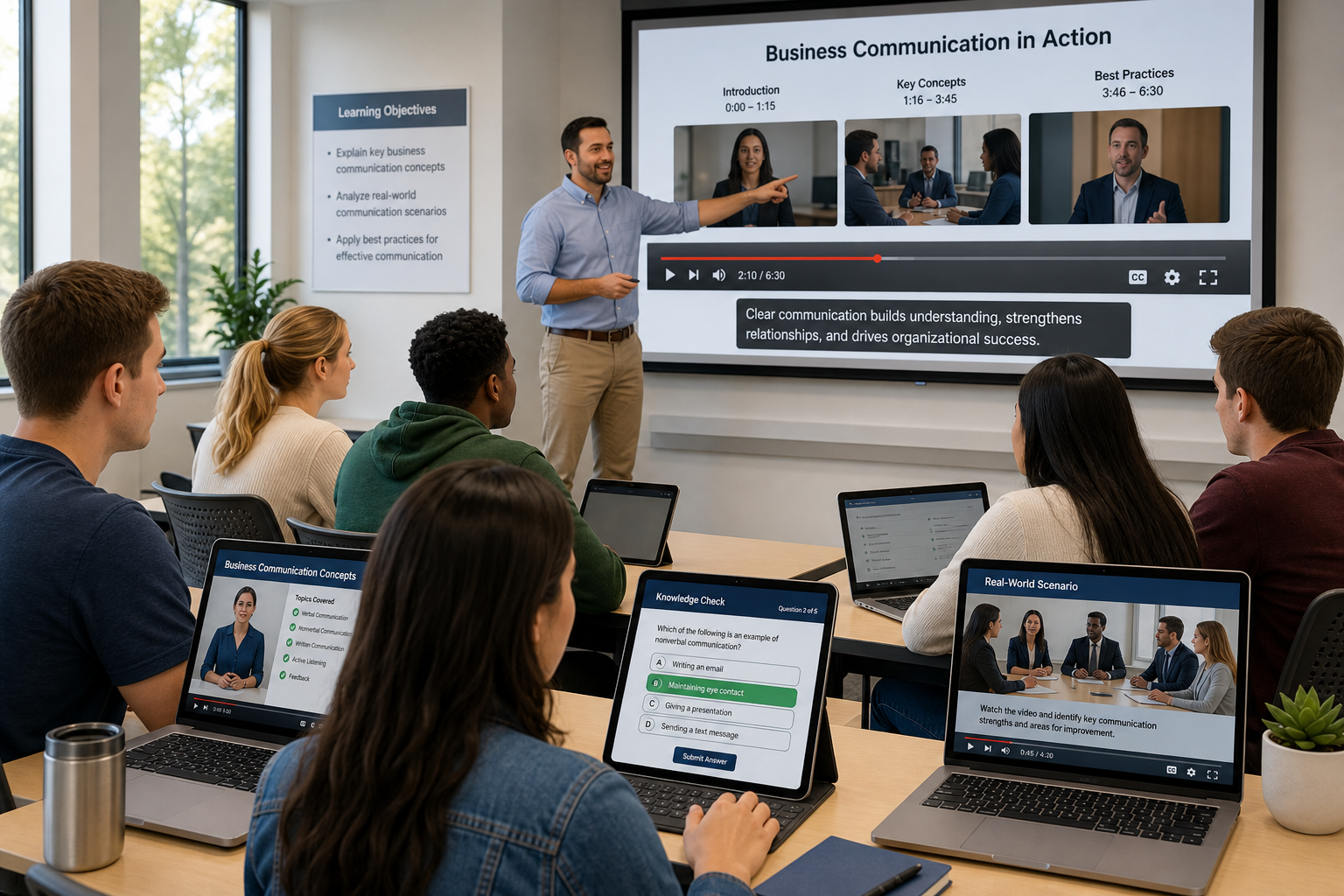
Direct AnswerBusiness Communication Today, 16th Edition includes an array of video tutorials and multimedia content, designed to enhance the learning experience for instructors and students. These resources support classroom teachings with interactive content and are accessible through Pearson’s MyLab platform. Pair a short video with a focused task: ask students to identify the communication choices, evaluate their effectiveness, and apply one technique in a revised message.
1. Core Features of Multimedia ContentThe 16th edition of Business Communication Today offers several core features aimed at improving student engagement:
- Video Tutorials: Short, focused video clips that demonstrate key business communication concepts.
- Interactive Quizzes: Customizable quizzes based on chapter content to reinforce learning in real-time.
- Case Study Videos: Real-world scenarios presented through video to aid critical thinking and application.
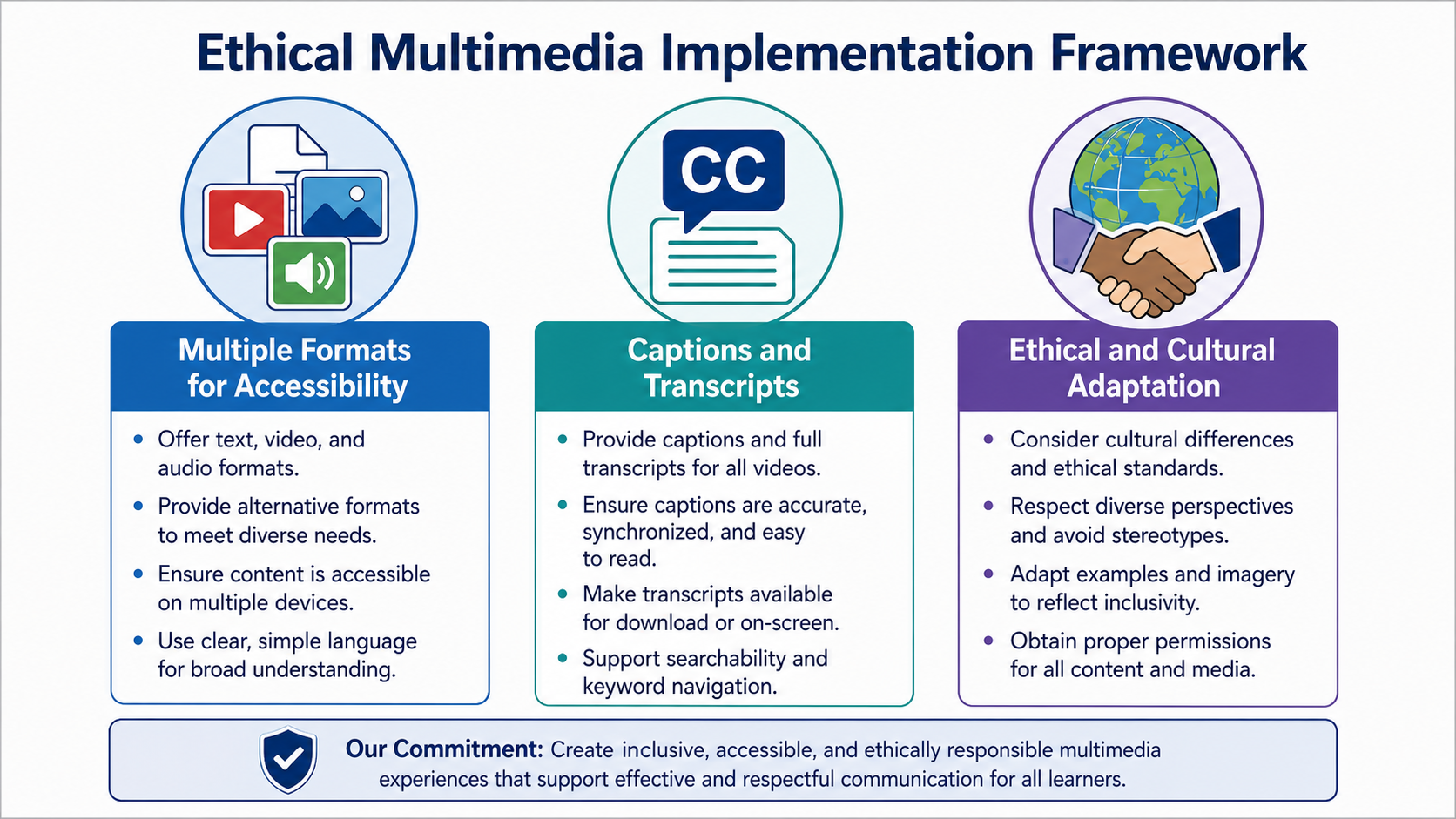
Incorporating multimedia in education should be done responsibly, ensuring accessibility and inclusivity. Instructors using these materials are encouraged to:
- Offer content in multiple formats to cater to different learning needs.
- Ensure that videos and interactive content include captions and transcripts.
- Adapt multimedia resources to align with ethical and cultural considerations.
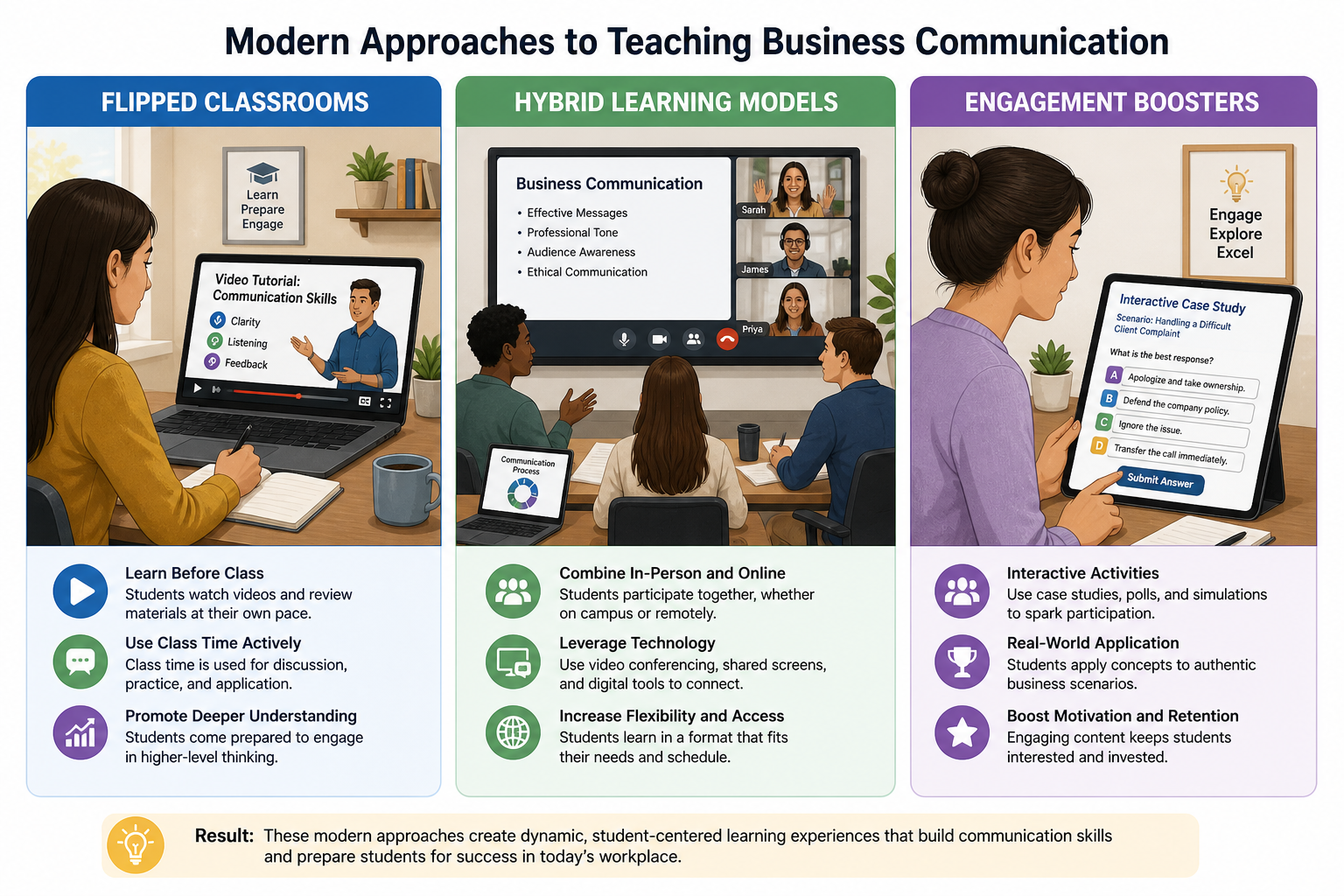
Incorporating multimedia content in teaching involves practical strategies that enhance traditional learning methods. Advantages in a classroom setting include:
- Flipped Classrooms: Assign video tutorials as preparatory work, freeing class time for deeper exploration and discussion.
- Hybrid Learning Models: Use multimedia to support both in-person and remote learning environments.
- Engagement Boosters: Interactive elements like case studies keep students particularly engaged and invested in the learning material.
- Multimedia content significantly enhances the learning experience in business communication.
- Video tutorials and other resources in the textbook align with modern educational trends.
- Ethical and responsible use of multimedia ensures inclusivity and accessibility for all students.
- Practical applications such as flipped classrooms and hybrid models promote student engagement.
Glossary of Key Terms
- Case Study Videos: Video demonstrations of real-life business scenarios to aid learning.
- Flipped Classroom: A teaching model where introductory material is learned outside class to make in-class time interactive.
- Interactive Quizzes: Digital quizzes that adapt questions based on student responses, animating the learning experience.
- Multimedia Content: Various forms of content such as video and audio files that diversify educational instruction.
- Video Tutorials: Short instructional videos meant to teach or demonstrate specific skills or concepts.
Related Questions
- How does multimedia content impact student engagement in business communication?
- What are the benefits of using flipped classrooms in business communication teaching?
- How do video tutorials support concept retention among students?
- What steps should educators take to responsibly integrate multimedia in their curriculum?
- How inclusive are current multimedia resources for diverse student groups?
Bovee, C. L., & Thill, J. V. (2026). Business Communication Today (16th ed.). Pearson.
- What Digital Resources Are Available with Business Communication Today?
- What Kind of Instructor Support Materials Are Provided with Business Communication Today?
- What Kind of Professional Development or Training Is Available If I Adopt Business Communication Today?
© 2026 Business Communication Teaching and Learning Center. All rights reserved.