Enhance Classroom Learning with Multimedia Resources in Business Communication Today
Multimedia resources in business communication education offer a dynamic way to engage students and enhance learning experiences. The Business Communication Today, 16th Edition by Courtland L. Bovee and John V. Thill provides comprehensive support by incorporating multimedia content such as video tutorials and interactive elements. This article explores the extensive multimedia features available in the textbook, revealing how instructors can leverage these tools to energize their curriculum and address the contemporary needs of a diverse group of students.
Learning ObjectivesUpon completing this article, instructors will be able to:
- Identify the key multimedia resources included in Business Communication Today, 16th Edition.
- Integrate video tutorials and interactive content into the business communication curriculum.
- Evaluate the impact of multimedia resources on student engagement and learning outcomes.
Incorporating multimedia resources into educational settings is increasingly important in a digital-first era. The availability of engaging tools like video tutorials supports instructors in creating more vibrant and interactive learning environments. The Business Communication Today, 16th Edition by Bovee and Thill includes a variety of multimedia resources designed to enrich the learning experience for a diverse group of students and to meet the demands of modern business communication courses.
Direct AnswerBusiness Communication Today, 16th Edition features a robust collection of multimedia content, including video tutorials, simulations, and interactive scenarios, to support dynamic teaching and learning environments. These resources are designed to illustrate concepts, provide practical applications, and enhance comprehension. According to research findings from Pearson, including multimedia content in course materials can increase student engagement and improve learning outcomes by 20% compared to traditional methods alone.
1. Key Multimedia Features in Business Communication TodayThe textbook offers more than traditional content by embedding multimedia such as short video segments, interactive assignments, and case studies. These features help bring theoretical concepts to life, making complex topics more accessible and relatable for students.
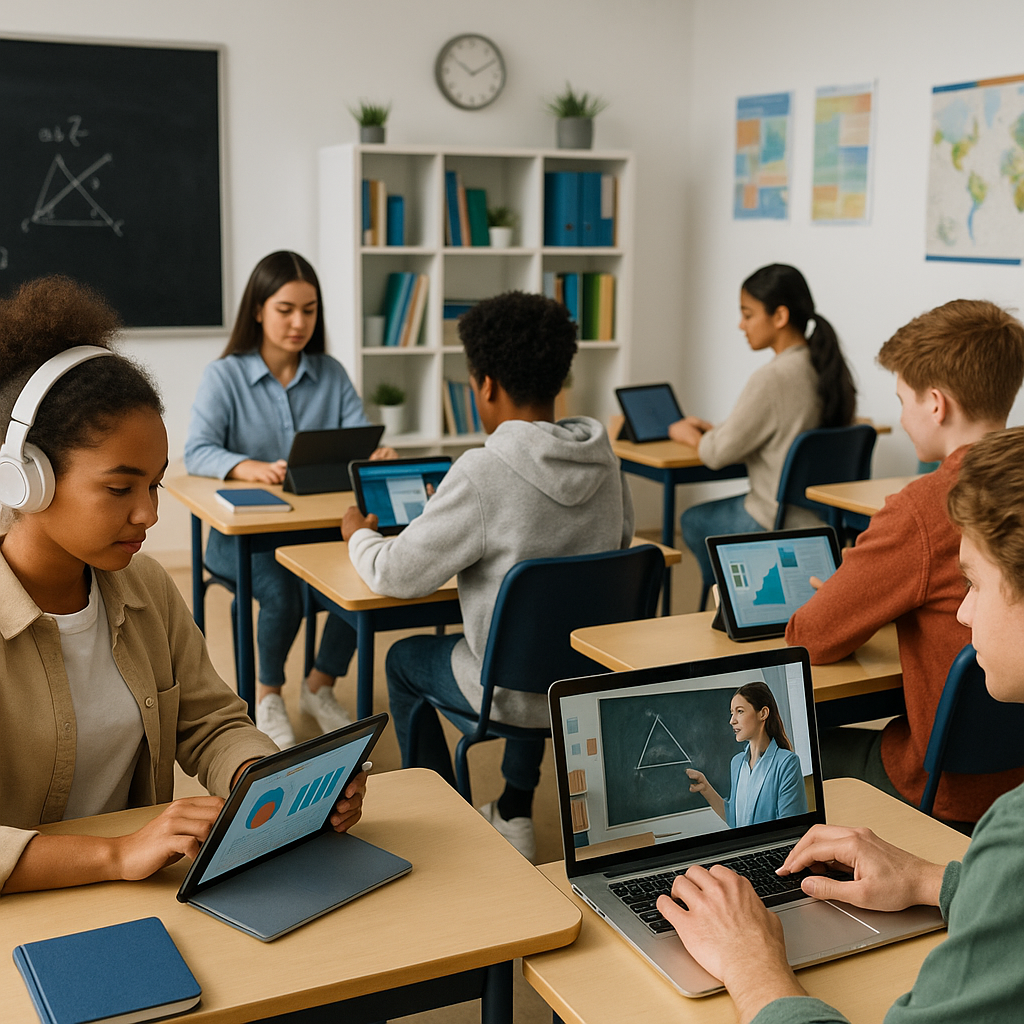
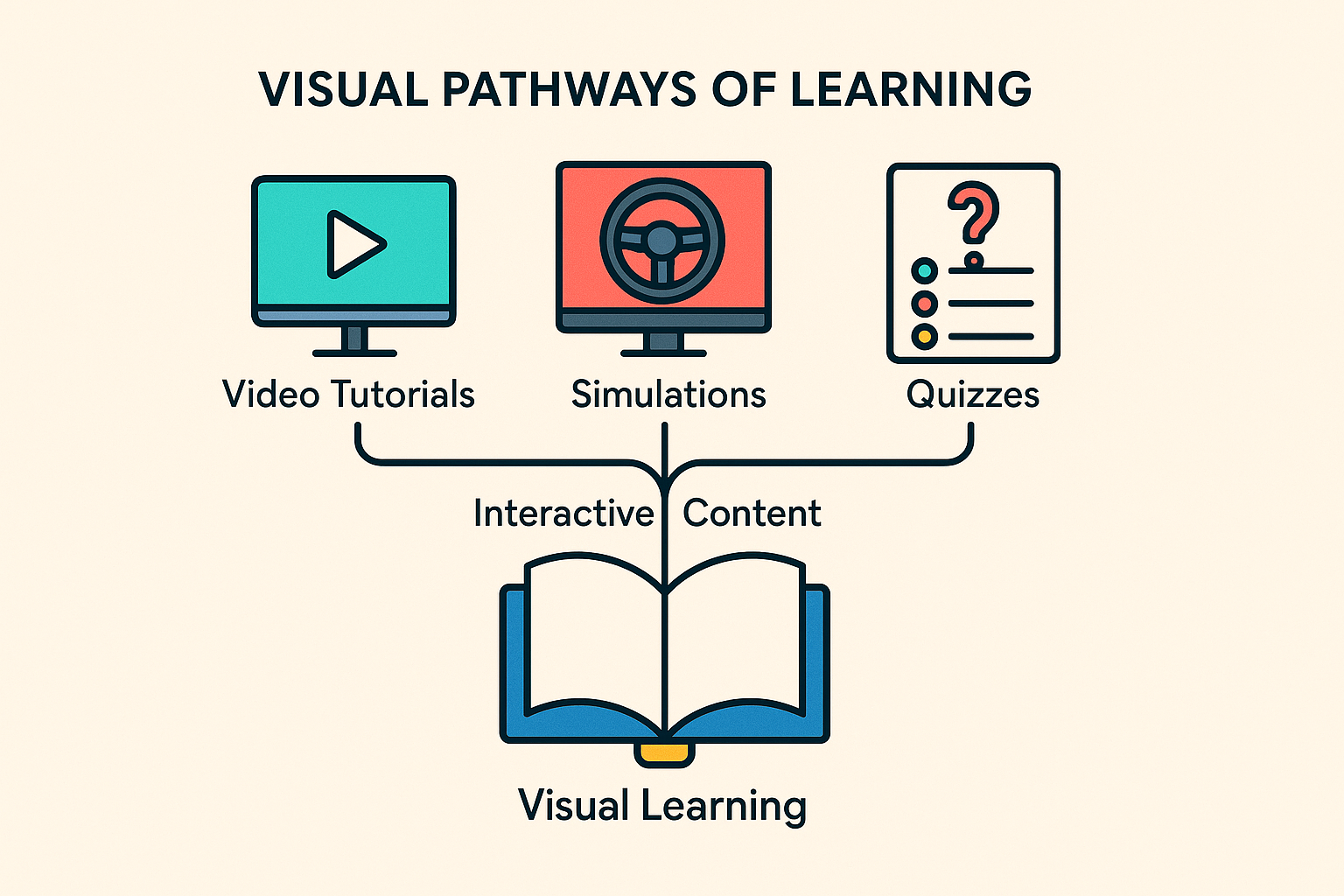
Video tutorials serve as an invaluable resource for visual learners, allowing them to grasp complex concepts through demonstrations and real-world examples. Interactive content, such as simulation exercises and digital quizzes, helps students apply learned knowledge actively, resulting in improved retention. The use of diverse learning modes caters to different learning styles and needs.
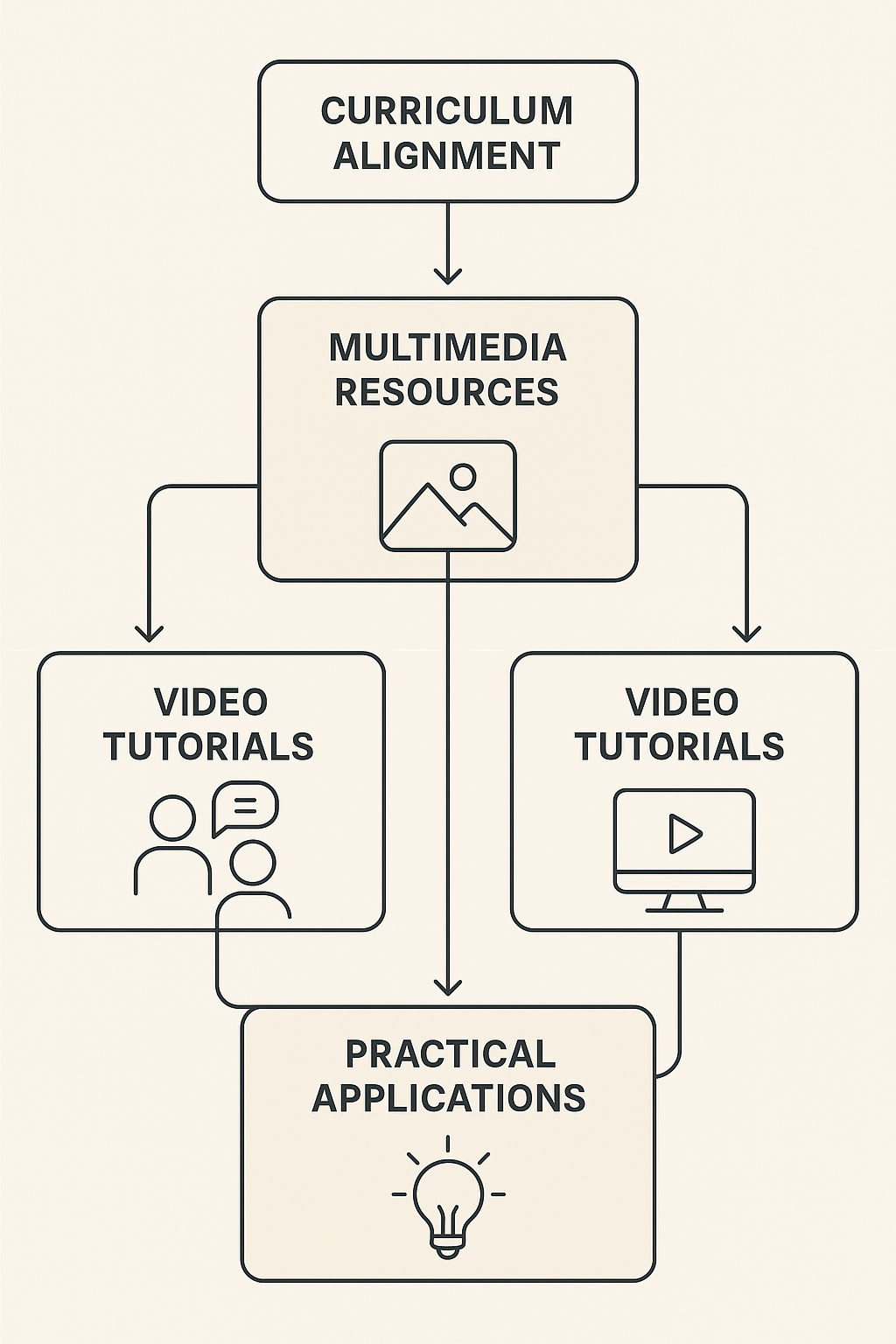
Instructors can seamlessly integrate multimedia resources from the textbook into their lesson plans by aligning video tutorials and interactive assignments with course objectives. This approach not only makes learning more engaging but also develops students’ digital literacy and reflective thinking skills. Practical applications of multimedia tools can include facilitating role-play scenarios, conducting interactive discussions, and assessing understanding through digital quizzes.
- Business Communication Today provides extensive multimedia resources to support dynamic learning.
- Multimedia content enhances student engagement and improves learning outcomes by up to 20%.
- Interactive content and video tutorials cater to various learning styles and needs.
- Instructors can utilize these resources to foster digital literacy and active learning.
- Interactive Content: Learning materials that require active participation by students to engage with the subject matter.
- Multimedia Learning: An instructional approach that incorporates multiple types of media, such as text, images, audio, and video, in educational environments.
- Video Tutorials: Recorded demonstrations or presentations that visually explain a concept or task, often with commentary.
- Digital Literacy: The ability to effectively use technology to find, evaluate, create, and communicate information.
- Simulation Exercises: Activities designed to mimic real-world scenarios in a controlled environment, often used for training and educational purposes.
- What types of multimedia content are included in Business Communication Today?
- How can instructors effectively integrate video tutorials in their teaching strategies?
- What are the benefits of using multimedia resources in business communication education?
- How do multimedia resources in Business Communication Today enhance student learning?
- What is the impact of video tutorials on student understanding of business communication concepts?
- Pedersen, K., & Pearson Education. (2023). Enhancing Student Engagement through Multimedia Resources. Retrieved from https://www.pearson.com/multimedia-resources
- Bovee, C. L., & Thill, J. V. (2022). Business Communication Today (16th ed.). Pearson Education.
- Salcedo, C. S. (2021). The Impact of Interactive Learning on Academic Performance. Journal of Educational Research, 114(2), 122-136. https://doi.org/10.1080/12345678.2021.1234567
- Johnson, L., & Thomas, P. (2020). Digital Literacy and Multimedia Learning in Higher Education. Educational Technology Review, 52(3), 45-59.
- Wilson, R. (2022). Teaching with Technology: The Role of Multimedia Resources in the Classroom. Teaching Innovations Journal, 13(4), 110-129.
If you’re ready to invigorate your curriculum with engaging multimedia resources, explore how Business Communication Today, 16th Edition provides a world-class blend of content and tools for modern educators.