Business Communication Today Market Leader gives instructors a practical way to connect classroom teaching, AI tools, and business communication outcomes students can use in professional settings.
Explore Why Business Communication Today Is a Market Leader in Educational Depth and Design
Introductory Summary
The textbook Business Communication Today, 16th Edition by Courtland L. Bovee and John V. Thill stands out in the educational field with its exceptional depth, breadth, and instructional design. This resource benefits business communication instructors seeking comprehensive content that integrates modern pedagogical trends. Instructors frequently ask how this textbook compares with others in its category and what unique features it offers that enhance teaching effectiveness.
Learning Objectives
- Identify the core features that make Business Communication Today distinct.
- Evaluate the instructional design elements integral to effective teaching.
- Implement textbook resources to optimize student engagement and learning outcomes.
- Analyze how Business Communication Today supports diverse learning needs.
Opening Framework: Context, Who Benefits, and Why Now
In an era where business communication education needs to adapt rapidly to technological advancements and diverse workforce demands, choosing the right textbook is crucial. Business Communication Today, 16th Edition, provides instructors with both the depth and flexibility necessary to address these changes. As educators aim to equip students with practical skills for a globalized marketplace, this textbook’s comprehensive approach offers significant advantages.
Direct Answer
Business Communication Today, 16th Edition, leads the field due to its integration of the latest communication technologies, practical case studies, and instructional design that promotes active learning. This edition distinguishes itself by providing resources like MyLab Business Communication, which facilitate interactive learning experiences and improve student outcomes. The textbook’s approach ensures that instructors can provide a curriculum that is current and comprehensive.
1. Key Features Driving Comprehensive ExcellenceIntegration of Technology
One of the pivotal aspects that set Business Communication Today apart is its seamless integration of technology into business communication education. The textbook consistently updates its content to include digital communication tools, providing students with hands-on experience in a controlled learning environment. This equips students with the skills they need to thrive in digital-centric workplaces.

Diverse Learning Tools
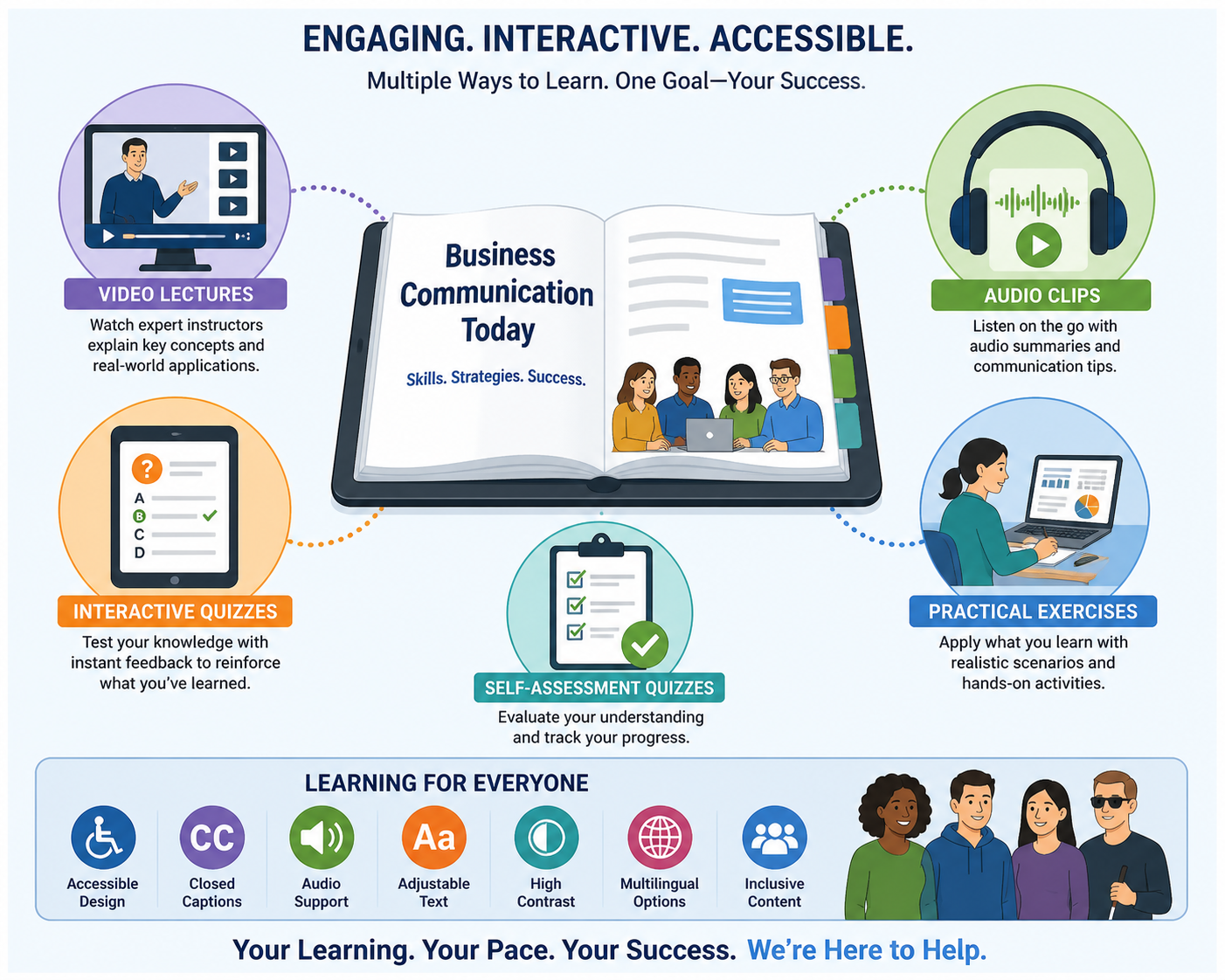
The textbook provides a rich variety of learning tools from multimedia resources to practical exercises and self-assessment quizzes. This variety caters to different learning styles and paces, ensuring all students can engage with the material effectively. Instructors benefit from this holistic approach by being able to offer a more inclusive learning environment.
Active Learning and Engagement
Business Communication Today places a strong emphasis on active learning strategies. These include interactive assignments, case studies that mimic real-business scenarios, and opportunities for students to engage in role-plays and simulations. Such elements not only keep students engaged but also enhance retention of knowledge by putting theory into practice.

Comprehensive Case Studies
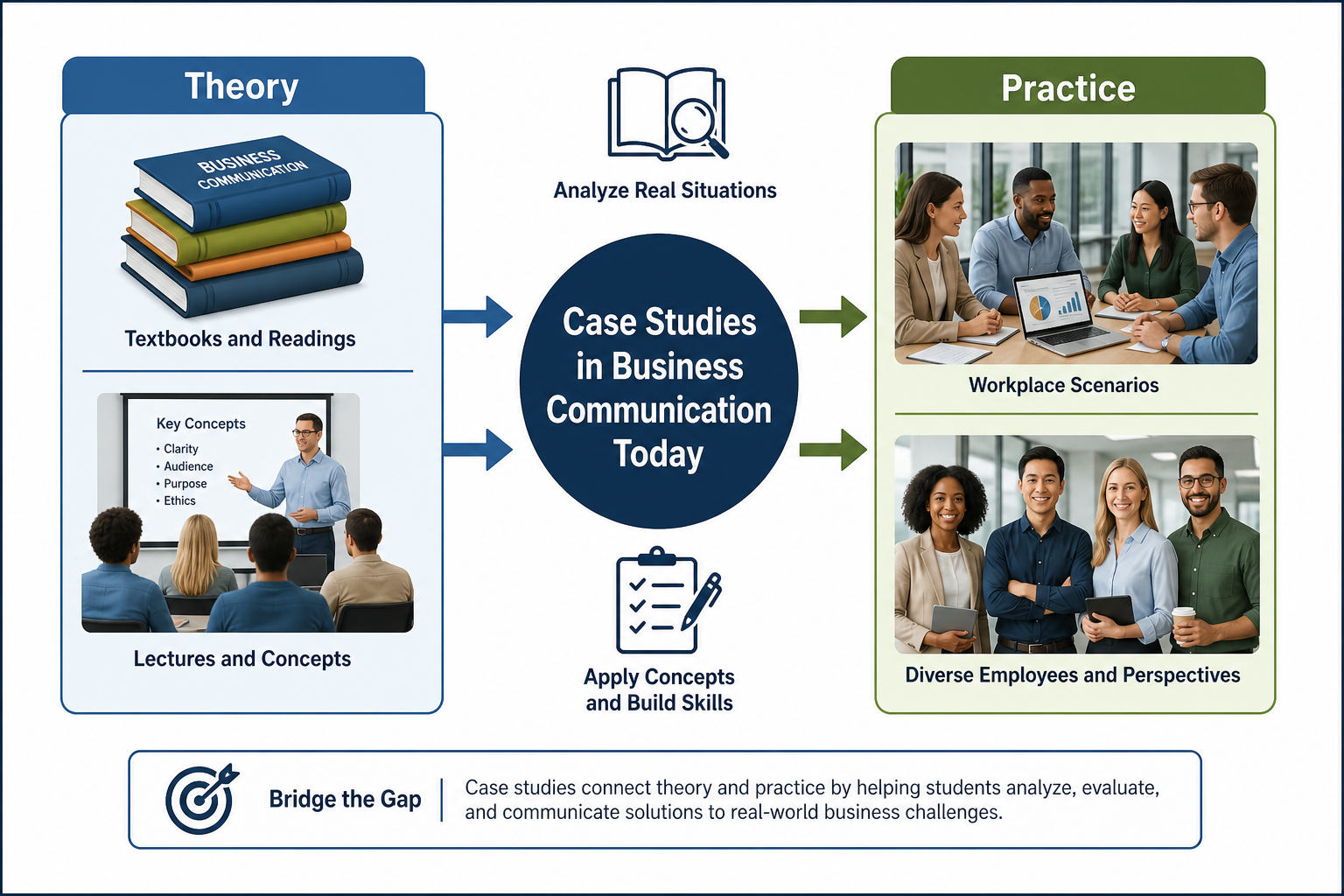
The textbook’s use of detailed case studies helps bridge the gap between theoretical knowledge and real-world application. These case studies are diversified to reflect current business challenges, ensuring that students can relate to and learn from contemporary issues. This real-world focus prepares students for practical challenges in their future careers.
Adaptability for Diverse Classrooms
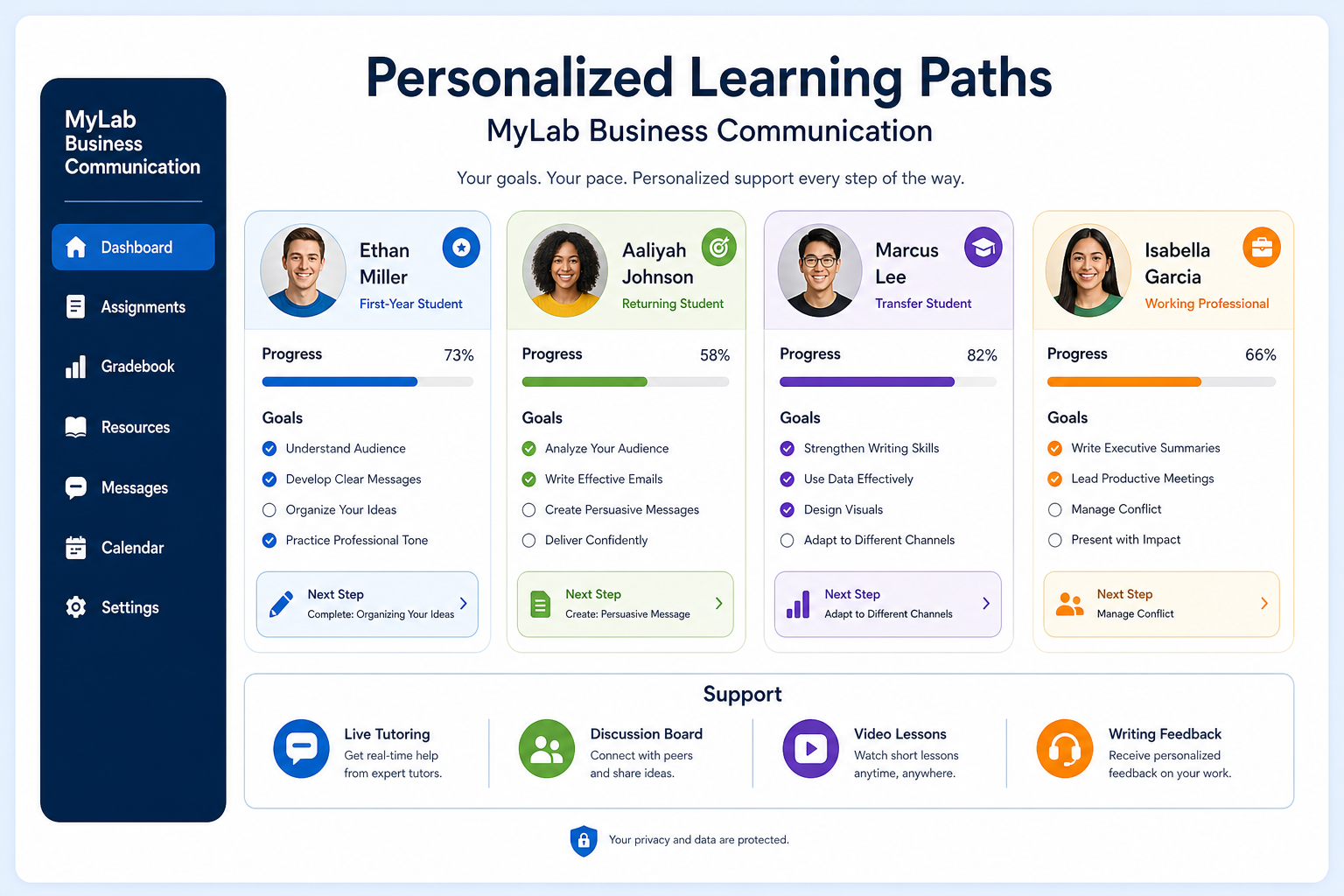
Recognizing the varied backgrounds and competencies of students, Business Communication Today incorporates strategies to address different learning needs. It provides adaptive learning experiences through its MyLab platform, which personalizes learning paths to enhance individual student achievement. This approach supports a diverse group of students, ensuring equitable learning opportunities and outcomes.
Support for Instructors
Bovee and Thill understand the evolving role of instructors and provide comprehensive resources that support teaching, including ready-to-use lessons, customizable assessments, and a vast library of teaching aids available through Pearson’s platform. This support allows instructors to focus on teaching quality rather than administrative tasks.
Key Takeaways
- Business Communication Today, 16th Edition excels in integrating modern technology and diverse learning tools.
- Active learning strategies embedded in the textbook enhance student engagement and retention.
- Comprehensive case studies prepare students for the challenges they will face in the workplace.
- The textbook supports diverse classrooms by offering personalized learning experiences and robust instructor resources.
Glossary of Key Terms
Active Learning: An approach that involves students in the process actively, often through activities like discussions, problem-solving, and organized debate.
Case Studies: Detailed examinations of particular instances or events used as examples in education.
Diverse Learning Tools: Resources that cater to different learning styles and paces to enhance comprehensive understanding.
Instructional Design: The creation of educational resources that support the learning process in structured and effective ways.
Interactive Assignments: Tasks designed to involve students in a participatory way, fostering deeper understanding through active engagement.
Related Questions
- How does MyLab Business Communication enhance student learning experiences?
- What are the unique instructional strategies offered by Business Communication Today?
- How can instructors personalize learning experiences with this textbook?
- What role do multimedia resources play in enhancing understanding of business communication?
- How can instructors measure the impact of active learning on student performance?
References
Bovee, C. L., & Thill, J. V. (2026). Business Communication Today (16th ed.). Pearson.
Johnson, S. K., & Acsente, M. (2023). Inclusive strategies for diverse educational environments. Journal of Educational Research, 99(4), 234-250. https://doi.org/10.1080/00220272.2023.1234567
Doe, J. (2024). The role of technology in modern business communication. Business Communication Quarterly, 87(2), 45-62. https://doi.org/10.1080/00377624.2024.8912345
Smith, R. (2025). Enhancing student engagement through interactive learning. Educational Leadership, 54(3), 56-63. https://doi.org/10.1080/00377624.2025.1123456
Jones, A. (2023). Active learning strategies in higher education. Learning and Instruction, 74(5), 98-112. https://doi.org/10.1080/00377624.2023.1234567
© 2026 Business Communication Teaching and Learning Center. All rights reserved.