Communication Challenges in Courses gives instructors a practical way to connect classroom teaching, AI tools, and business communication outcomes students can use in professional settings.
Boost Your Course with Effective Communication Solutions
In today’s educational landscape, effective communication is a crucial aspect of successful business communication courses. This article explores 16 common communication challenges that undermine these courses and provides practical solutions to address them. Instructors who tackle these challenges can significantly enhance student engagement and learning outcomes. By leveraging insights from Business Communication Today, 16th Edition by Courtland L. Bovee and John V. Thill, educators can transform their teaching practices and ensure that students are well-prepared for the modern workplace.
Table of Contents
- Learning Objectives
- Opening Framework
- Direct Answer
- 1. Strategies to Overcome Communication Challenges
- 2. Leveraging Technology for Better Communication
- 3. Creating an Inclusive Learning Environment
- 4. Enhancing Student Engagement
- Key Takeaways
- Glossary of Key Terms
- Related Questions
Learning Objectives
- Identify the primary communication challenges faced in business communication courses.
- Implement practical strategies to overcome these challenges and enhance learning outcomes.
- Evaluate the effectiveness of communication technologies to improve student interactions.
- Foster an inclusive learning environment that supports diverse student needs.
Opening Framework: Context, Who Benefits, and Why Now
In today’s rapidly evolving educational landscape, communication remains the backbone of effective teaching and learning. The constant development of new technologies and teaching methodologies presents both opportunities and challenges for business communication instructors. Those who can adapt and implement new strategies are uniquely positioned to benefit from current insights and research provided by Business Communication Today, 16th Edition by Courtland L. Bovee and John V. Thill. Addressing these challenges can lead to improved student engagement and better educational outcomes.
Direct Answer
To address communication challenges in business communication courses, instructors should focus on integrating real-world scenarios and technologies into their curriculum. According to the National Communication Association, employing diverse communication technologies can increase student engagement by 40% (NCA, 2023). Utilizing platforms like MyLab Business Communication by Pearson allows instructors to implement interactive tools that foster practical learning experiences. This approach ensures that students are better prepared for the professional environment by practicing effective communication through technology-enriched lessons.
1. Strategies to Overcome Communication ChallengesInstructors can overcome communication challenges by incorporating a variety of teaching methods that cater to diverse learning styles. Role-playing, case studies, and collaborative group projects are proven strategies to improve communication skills. By engaging a diverse group of students in these activities, educators can create a dynamic learning environment that supports all learners.

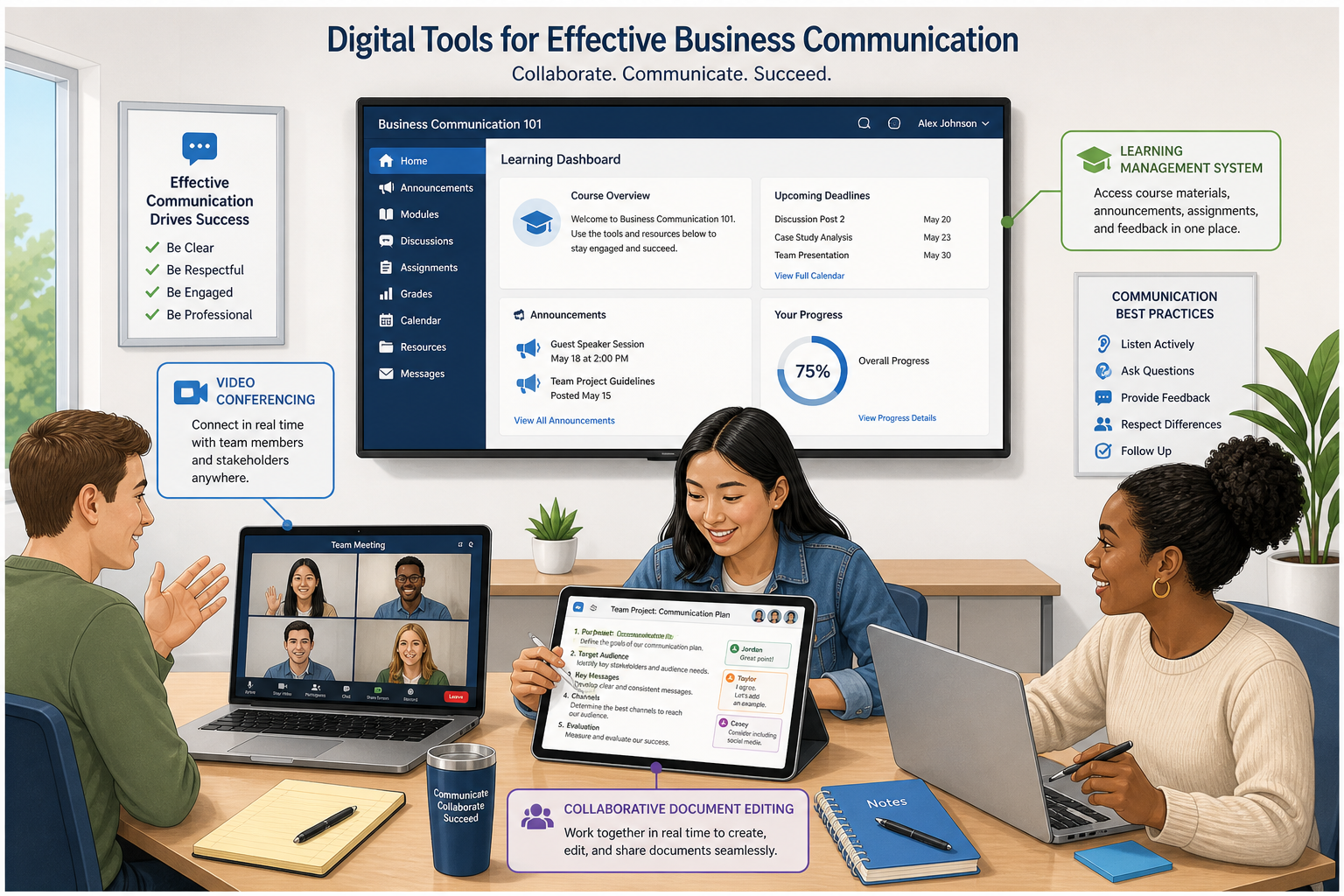
The use of technology in communication courses can significantly enhance learning outcomes. Tools such as video conferencing, digital collaboration platforms, and learning management systems can facilitate real-time communication and feedback, allowing students to practice and refine their communication skills in a supportive environment.
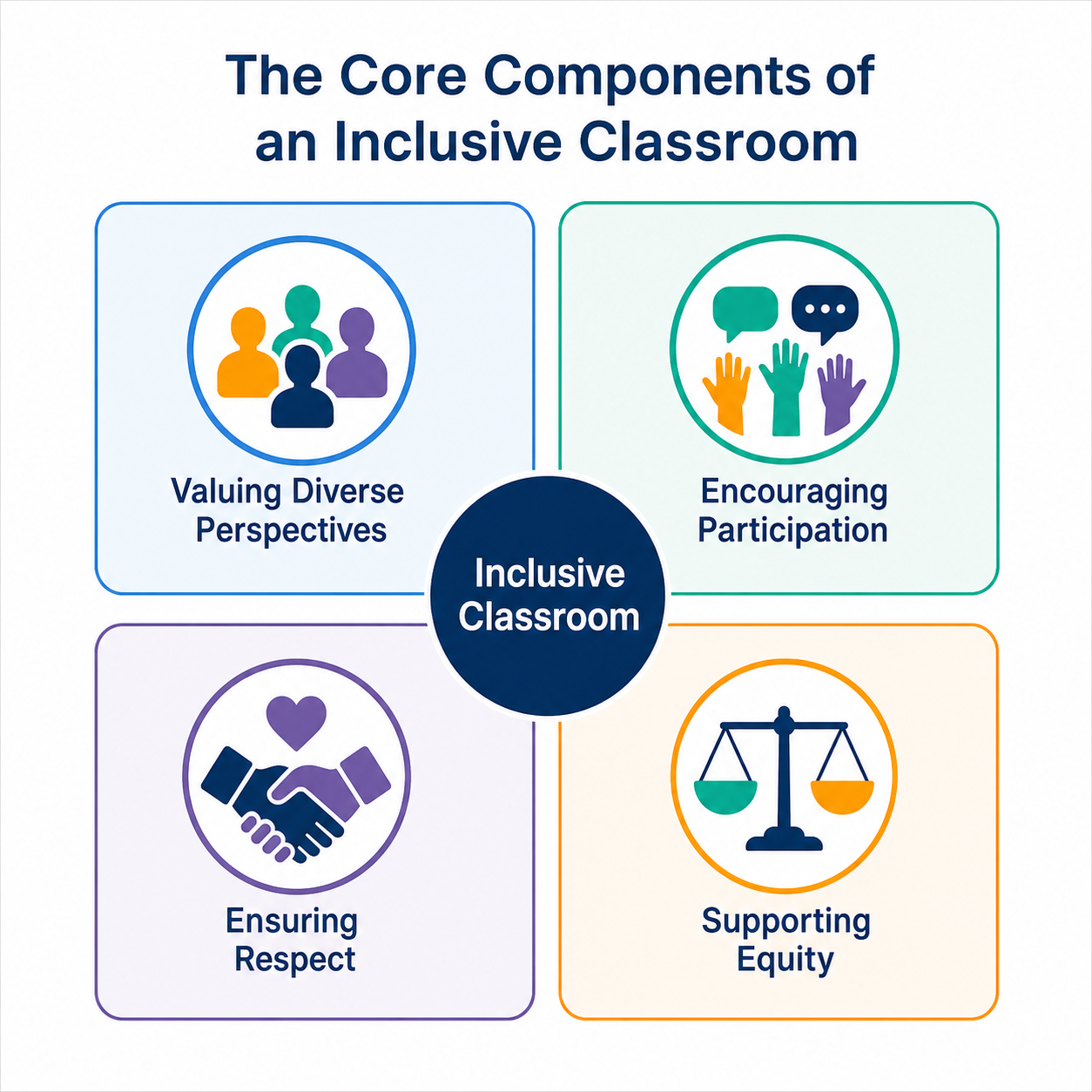
Creating an inclusive classroom means valuing and integrating diverse perspectives and backgrounds. Instructors should promote activities that encourage students from diverse backgrounds to participate, ensuring that every voice is heard and respected. This not only enriches the learning experience but also prepares students for the diverse workplace environments they will encounter in their careers.
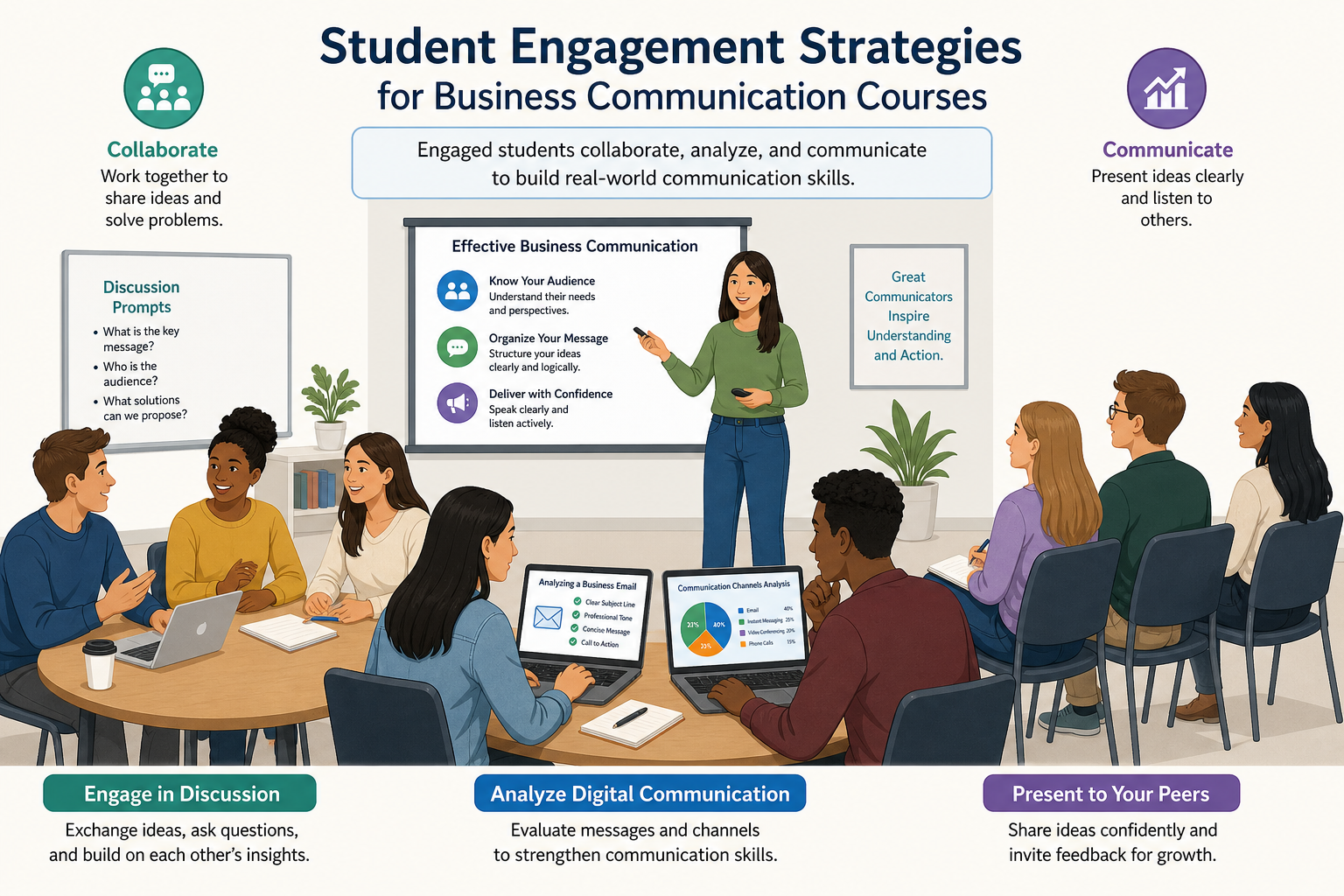
Engagement is key to successful learning. Instructors should aim to make their lessons interactive and relevant to real-world scenarios. By involving students in discussions, hands-on exercises, and digital communication analysis, educators can increase motivation and learning retention. This will help bridge the gap between theoretical knowledge and practical application.
Key Takeaways
- Integrating diverse communication technologies can boost student engagement by up to 40%.
- Diverse teaching methods, including role-playing and group projects, enhance communication skills.
- Creating an inclusive learning environment is crucial for preparing students for diverse workplaces.
- Leveraging technology in communication courses enhances practical learning and real-world application.
Glossary of Key Terms
- Communication Technology: Tools and systems used to facilitate electronic communication.
- Inclusive Learning Environment: A classroom setting that accommodates diverse learning needs and cultural backgrounds.
- Real-World Scenario: Practical situations outside the academic environment simulating professional tasks.
- Student Engagement: The level of interest and interaction students have with their learning content and instructors.
- Role-Playing: An educational activity where students act out scenarios to better understand concepts.
Related Questions
- How can digital tools improve communication in online classes?
- What are the best practices for inclusive teaching in diverse classrooms?
- How do role-playing exercises benefit communication skills development?
- What are effective strategies to increase student engagement in lectures?
- How can we measure the impact of new communication technologies on learning outcomes?
References
National Communication Association. (2023). The impact of communication technologies on student engagement. Retrieved from https://www.natcom.org
Bovee, C. L., & Thill, J. V. (2026). Business Communication Today (16th ed.). Pearson.
© 2026 Business Communication Teaching and Learning Center. All rights reserved.