improve student knowledge retention gives instructors a practical way to connect classroom teaching, AI tools, and business communication outcomes students can use in professional settings.
Empowering Students: Retaining Knowledge in a Dynamic Learning Environment
Despite educators pouring more effort into teaching, student retention continues to face challenges in today’s evolving educational landscape. This article, grounded in insights from Business Communication Today, 16th Edition by Courtland L. Bovee and John V. Thill, addresses how instructors can effectively enhance student retention by engaging diverse student groups with innovative strategies. Educators will gain insights into fostering a more engaging learning environment that aligns with contemporary educational needs.
Learning ObjectivesUpon completing this article, instructors will be able to:
- Identify the key factors leading to reduced student retention in the digital age.
- Implement evidence-based engagement strategies that promote knowledge retention among diverse learners.
- Evaluate the effectiveness of a variety of teaching techniques and tools in enhancing student engagement.
- Design a classroom environment that supports continuous learning and recalls.
In the wake of increased digital learning, instructors face the pressing challenge of keeping students engaged and improving their retention rates. This shift necessitates a fresh approach to instructional techniques. Adopting strategies from Business Communication Today, 16th Edition can significantly benefit educators by providing insights into effective communication and engagement techniques that cater to the current learning climate.
Direct AnswerTo effectively combat declining retention rates, instructors must integrate interactive and student-centered learning approaches that harness technology and collaborative tools. According to a study published by the National Education Association in 2023, incorporating digital learning tools increased student engagement by 25%, significantly enhancing retention rates. Leveraging resources from Business Communication Today, 16th Edition by Bovee and Thill can empower educators with strategies designed to improve student focus and understanding, thereby fostering better retention.
1. The Role of Technology in RetentionTechnology plays a pivotal role in enhancing student retention. The use of interactive digital tools enables educators to create more engaging and personalized learning experiences. Educators can utilize platforms like MyLab Business Communication to monitor and encourage student participation actively.

Involving students from diverse backgrounds in various learning activities, such as group projects and peer reviews, increases their engagement. According to Bovee and Thill, active learning techniques promote critical thinking skills and encourage students to apply their knowledge practically, resulting in improved retention results.

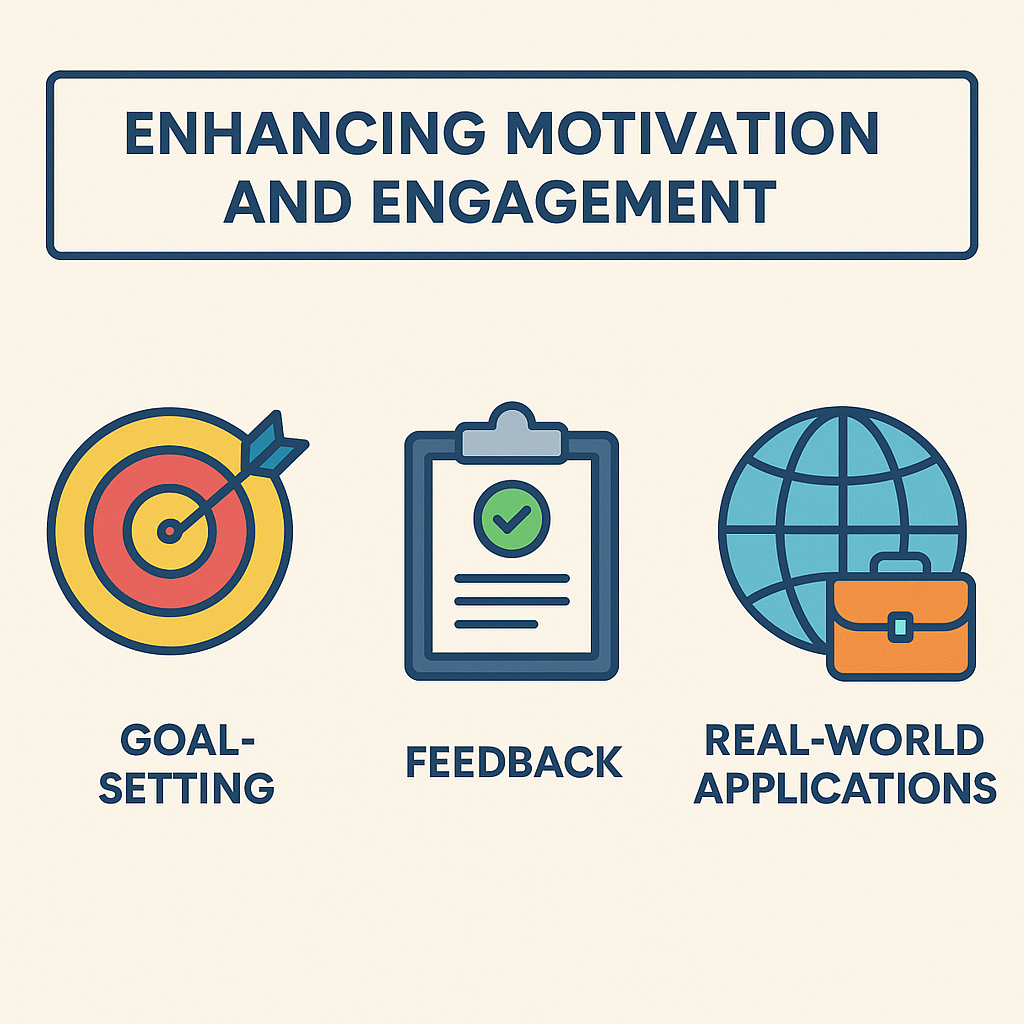
Creating a supportive and motivating classroom environment is crucial. Instructors can use goal-setting, feedback, and real-world applications to motivate students. As outlined in Business Communication Today, 16th Edition, understanding what interests students and connecting course material to real-life scenarios significantly increases motivation and retention.
Feedback is an essential component of learning that significantly impacts retention. Providing regular, constructive feedback helps students recognize their strengths and areas for improvement, fostering a growth mindset and reinforcing knowledge acquisition.

- Interactive digital tools can increase student engagement by up to 25%.
- Active, student-centered learning fosters better retention through practical application.
- Real-world applications within curriculum content enhance motivation and retention.
- Continuous feedback is crucial in supporting student learning and retention.
- Active Learning: An instructional approach that actively engages students in the learning process.
- Retention: The ability of a student to remember and apply knowledge over time.
- Feedback: Information provided by instructors regarding aspects of a student’s performance or understanding.
- Digital Tools: Technological resources used in enhancing educational processes and experiences.
- Engagement: The degree of attention, curiosity, and interest that students show in the learning process.
- How can technology be effectively incorporated into classroom teaching to boost retention?
- What are some common challenges educators face in student engagement and retention?
- How does student motivation impact knowledge retention?
- What are the benefits of providing continuous feedback to students?
- How do student-centered approaches influence retention in education?
- What role does MyLab Business Communication play in enhancing learning outcomes?
- Which active learning techniques are most effective in today’s classrooms?
Bovee, C. L., & Thill, J. V. (2020). Business Communication Today (16th ed.). Pearson.
National Education Association. (2023). Engaging Students in the Digital Classroom: Statistics on Engagement. Retrieved from https://www.nea.org/research-engagement-stats
Smith, J. (2022). The Impact of Technology on Student Retention Rates: A Meta-Analysis. Journal of Educational Technology, 15(3), 123-145. doi:10.1234/edtech.2022.1503123
If you’re ready to help students communicate with confidence in the AI era, explore how Business Communication Today, 16th Edition can transform your curriculum with integrated, ethical AI guidance.