 Business Communication Teaching and Learning Center
Sunday, September 13, 2026
Business Communication Teaching and Learning Center
Sunday, September 13, 2026
Accreditation Alignment

Figure 36.1 Ethical reasoning must guide every stage of AI-supported communication.
CLUSTER 36 — LANDING PAGE
Reinforcing Ethical Reasoning in AI Communication Tasks
Introduction
Ethical communication requires judgment, context, and accountability. While AI can generate content, it cannot determine what is ethically appropriate in a given situation.
This cluster examines how textbooks reinforce ethical reasoning as a core component of AI-assisted communication.
Ethics as an Ongoing Process
Ethical decisions arise during drafting, revision, verification, and delivery. Effective instruction embeds ethics into everyday communication tasks rather than isolating it in policy statements.
Students learn to evaluate consequences, fairness, transparency, and responsibility when using AI.
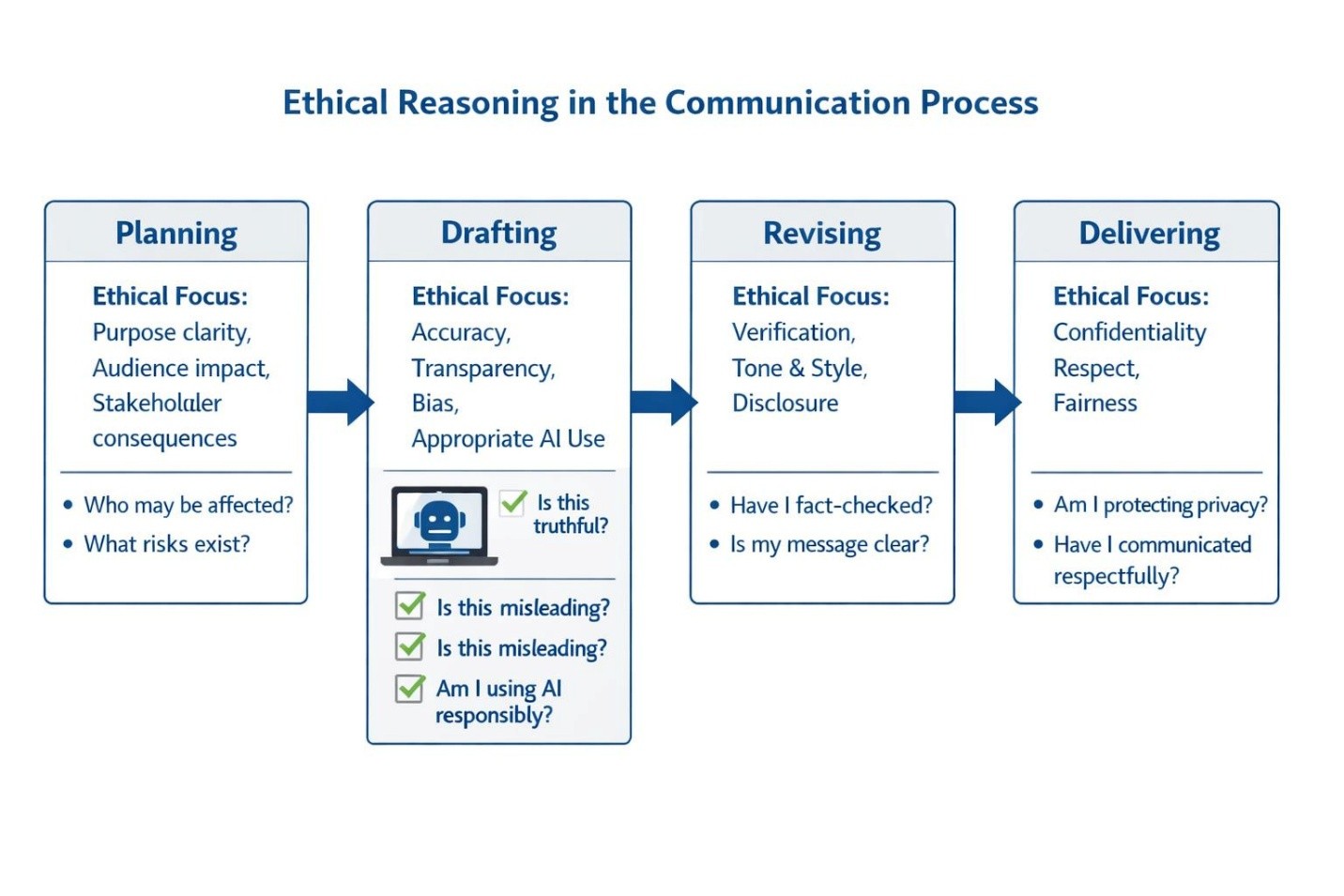
Figure 36.2 Ethical reasoning must be integrated throughout the communication process.
Risks of Treating Ethics as an Add-On
When ethics is treated as a warning rather than a skill, students fail to internalize responsibility. Textbooks that embed ethics into assignments and assessments better prepare students for real professional dilemmas.
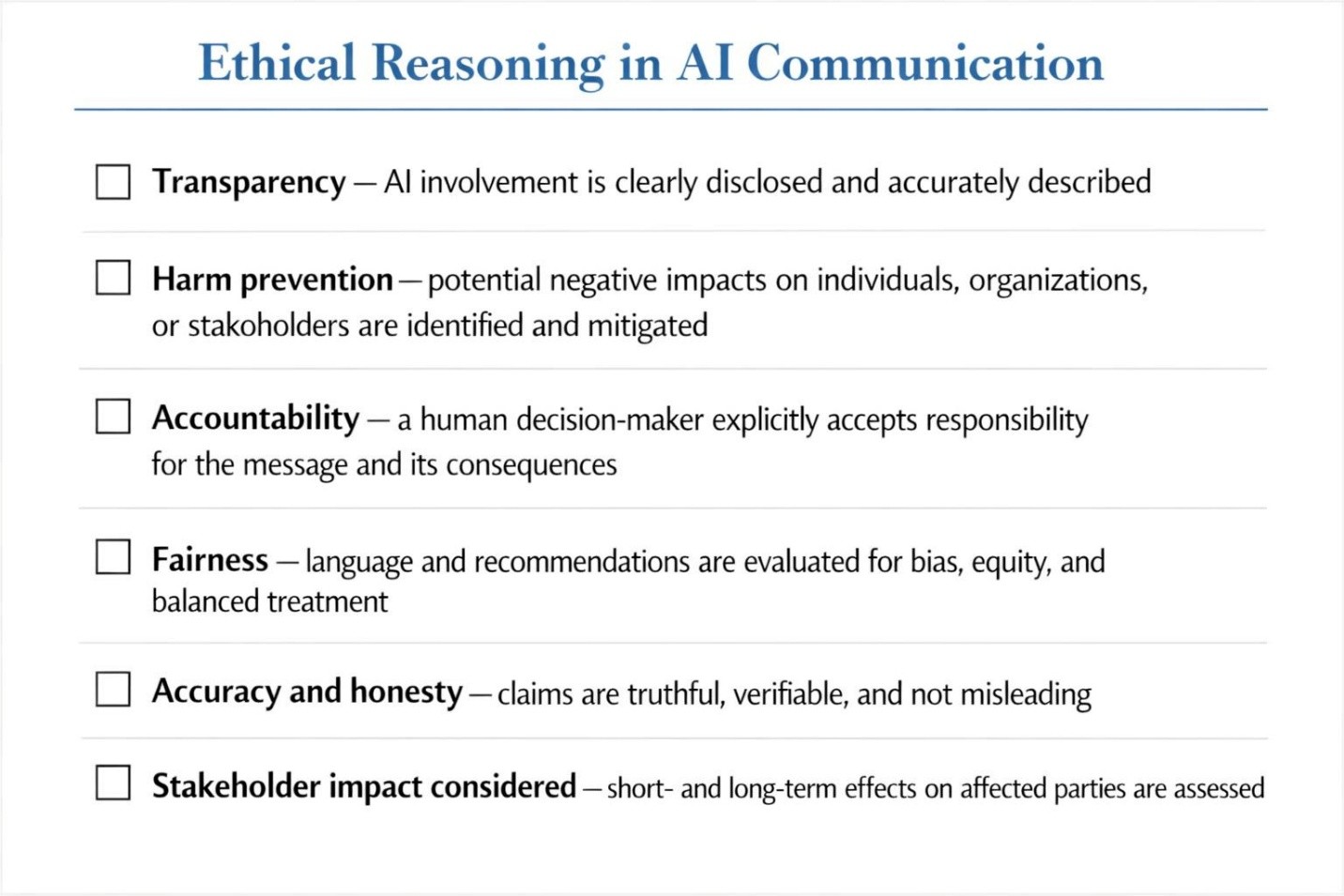
Figure 36.3 Ethical communication depends on deliberate judgment, not automation.
Key Takeaway
Ethics must be practiced, not merely acknowledged, in AI-supported communication.
Instructor FAQs
Why is ethical reasoning essential in AI-assisted communication?
AI cannot evaluate context or consequences. Ethical reasoning ensures communication decisions remain responsible and professional.