 Business Communication Teaching and Learning Center
Tuesday, October 27, 2026
AI Assessment

Figure 11.1 Evaluating AI output is a foundational skill in professional business communication.
CLUSTER 11 — LANDING PAGE
Teaching Students to Evaluate AI-Generated Content
Introduction
AI-generated content often appears polished and confident, but fluency does not guarantee accuracy, relevance, or ethical appropriateness. In business communication, the most important AI skill students can develop is the ability to evaluate output critically.
This cluster focuses on how textbooks teach students to assess AI-generated communication before using it professionally.
Evaluation as a Core Communication Skill
Effective instruction teaches students to evaluate AI-generated content for:
- Accuracy and completeness
- Evidence and sourcing
- Audience fit and tone
- Bias, omissions, or hallucinations
Without structured evaluation guidance, students may confuse polished language with quality communication.
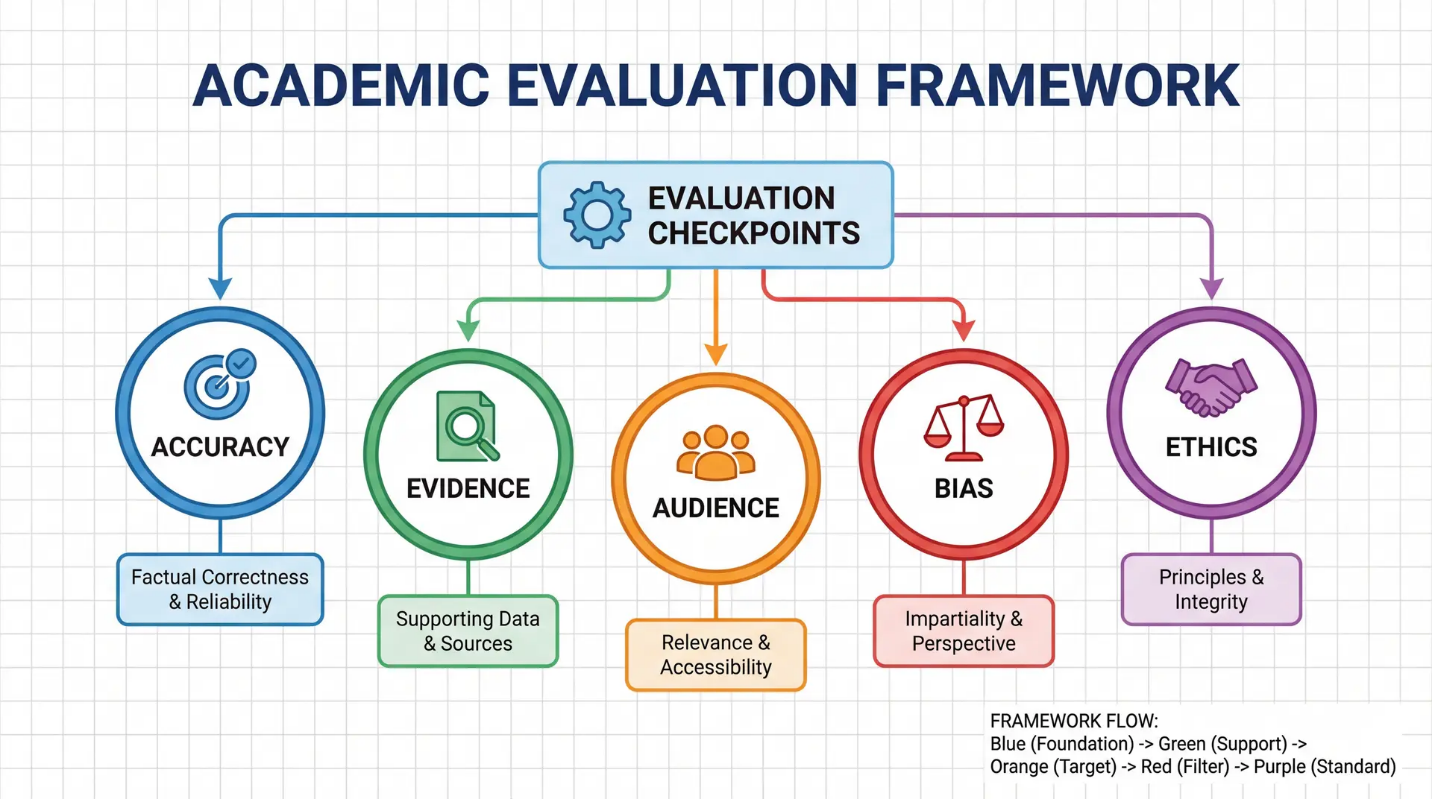
Figure 11.2 Systematic evaluation helps students identify risks in AI-generated communication.
Instructional Consequences of Skipping Evaluation
When evaluation is underemphasized:
- Students overtrust AI outputs
- Errors and bias go unnoticed
- Professional credibility is undermined
Textbooks that embed evaluation steps help instructors maintain rigor while allowing responsible AI use.
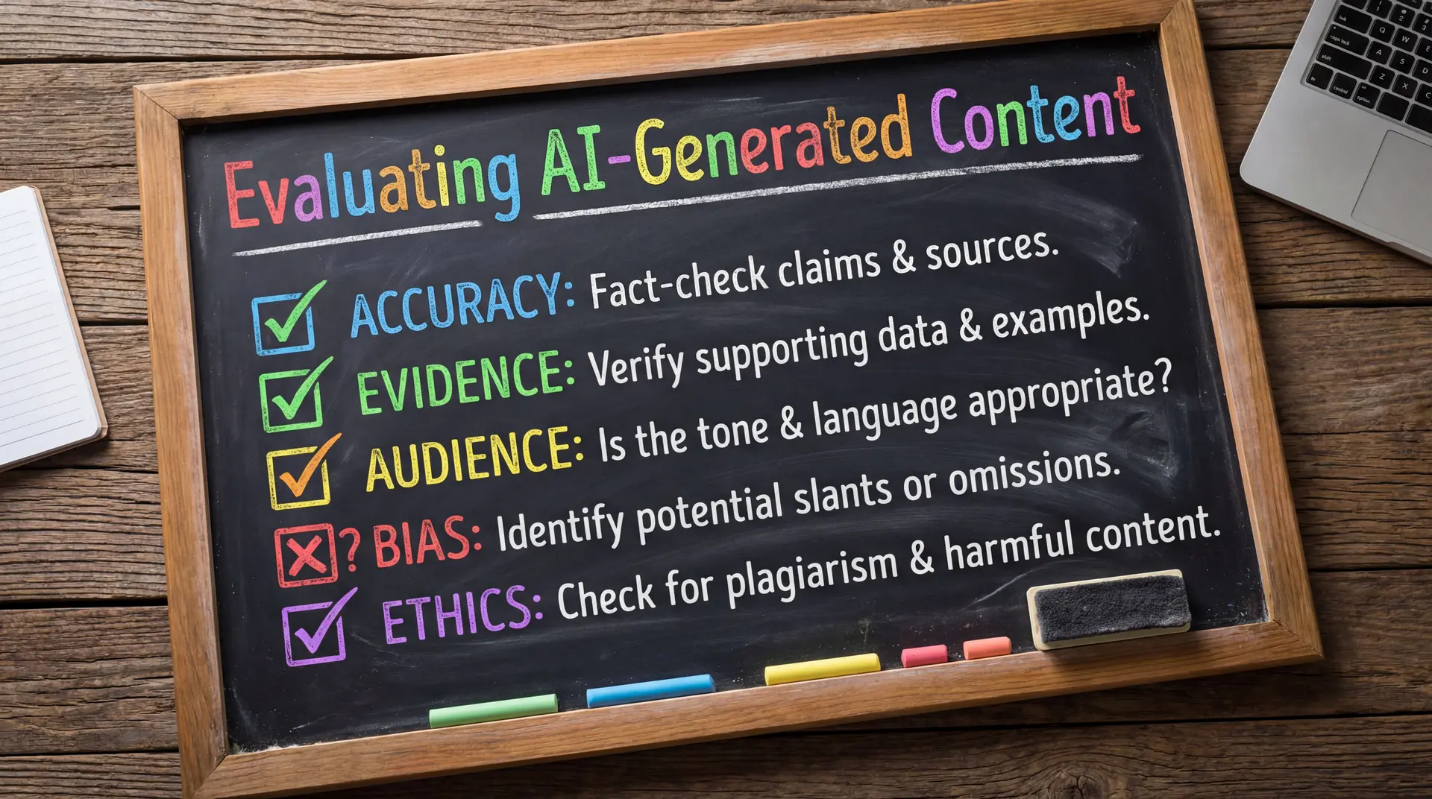
Figure 11.3 Evaluation must precede acceptance of AI-generated content.
Key Takeaway
AI literacy begins with evaluation, not generation.
Instructor FAQs
(Collapsible)
Why is evaluating AI-generated content essential?
Because AI output can sound professional while containing inaccuracies, bias, or inappropriate tone.
What should students evaluate first?
Accuracy, evidence, audience alignment, and ethical implications.
Primary CTA
Strengthen student judgment before AI use becomes habitual.
→ Explore frameworks for teaching AI content evaluation
Instructor FAQs
Why is evaluating AI-generated content essential in business communication?
AI-generated content can appear fluent while containing inaccuracies, bias, or poor audience alignment. Evaluation helps students maintain professional responsibility and credibility.
What should students evaluate when reviewing AI-generated content?
Students should evaluate accuracy, evidence quality, audience fit, tone, bias, and ethical implications before using or revising AI-generated content.