 Business Communication Teaching and Learning Center
Thursday, May 21, 2026
Business Communication Teaching and Learning Center
Thursday, May 21, 2026
Audience Fit

Figure 16.1 AI-resistant assignments emphasize judgment, context, and explanation rather than automation.
CLUSTER 16 — LANDING PAGE
Designing AI-Resistant Assignments in Business Communication
Introduction
Some assignments unintentionally invite misuse of AI. When tasks emphasize generic outputs rather than reasoning and context, students may rely excessively on automation.
This cluster explores how textbooks help instructors design assignments that reward thinking, explanation, and professional judgment.
Characteristics of AI-Resistant Assignments
Effective AI-resistant assignments:
- Require contextual analysis
- Ask students to explain decisions
- Emphasize revision and reflection
- Assess process alongside product
These elements make shortcuts ineffective and learning visible.
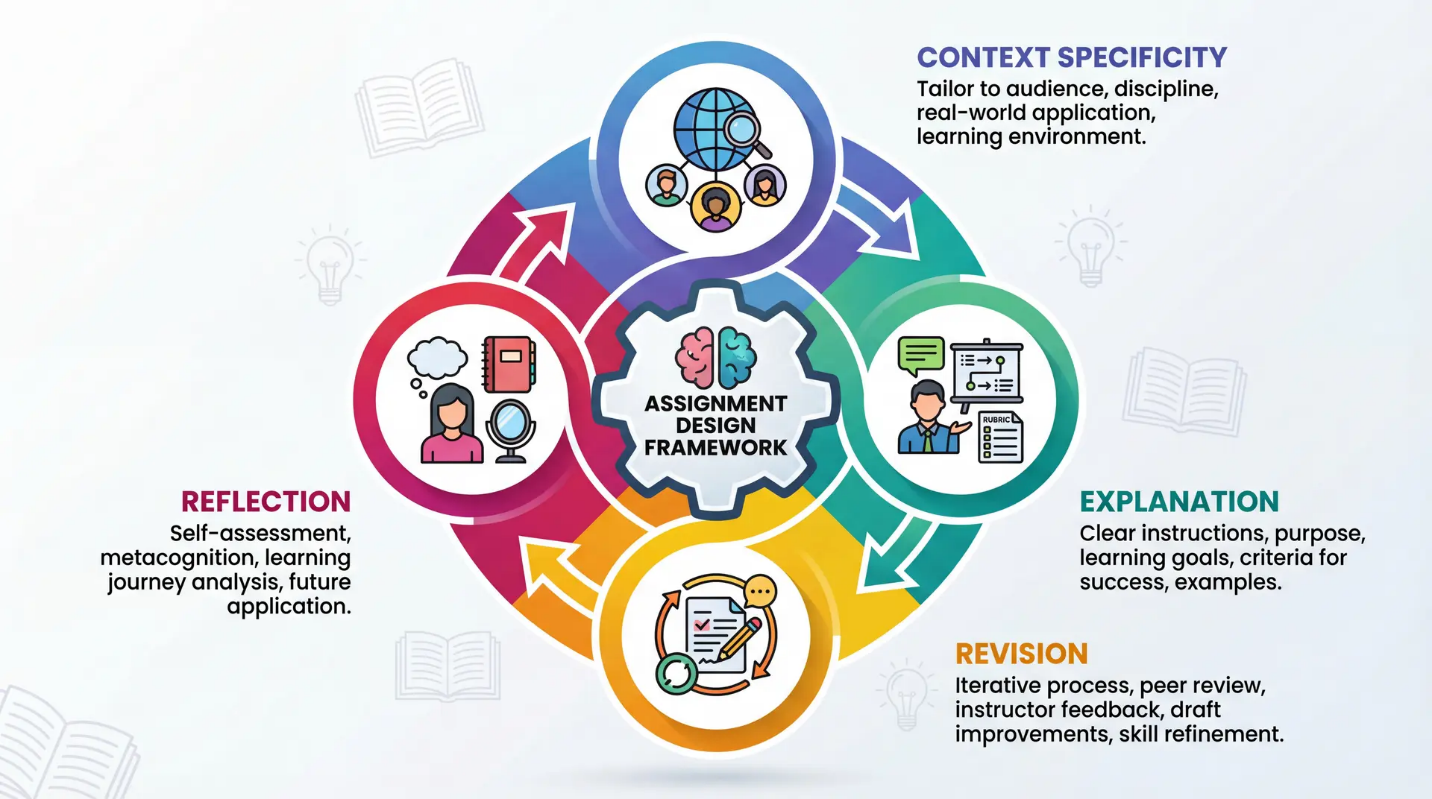
Figure 16.2 Assignments resist misuse when judgment and process are assessed.
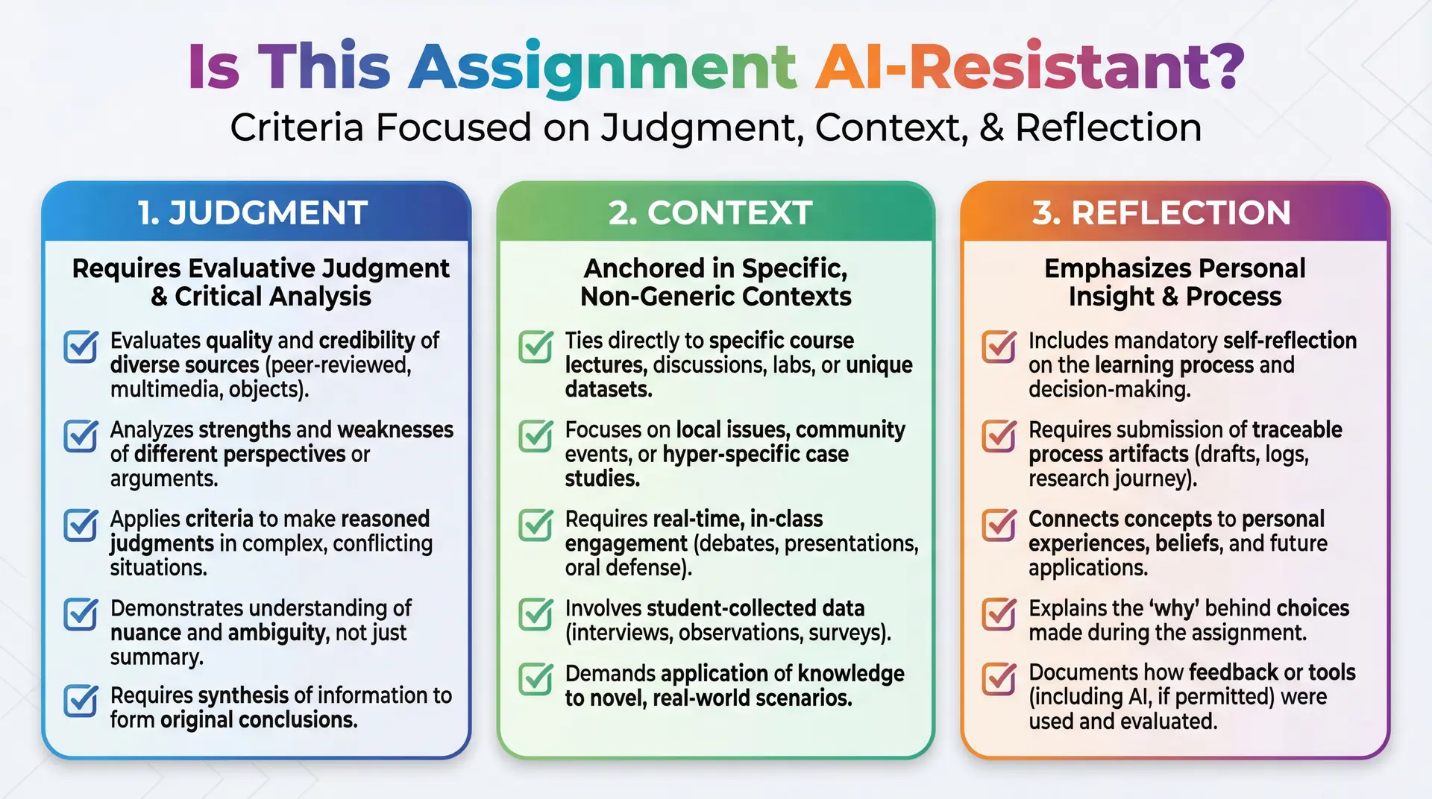
Figure 16.3 AI-resistant assignments prioritize thinking over automation.
Key Takeaway
Assignments that assess judgment and reasoning naturally discourage overreliance on AI.
Instructor FAQs
(Collapsible)
What makes an assignment AI-resistant?
Assignments that require explanation, context, and reflection rather than generic output.
Instructor FAQs
What makes an assignment AI-resistant?
AI-resistant assignments require contextual analysis, explanation of decisions, reflection, and revision rather than generic outputs.