 Business Communication Teaching and Learning Center
Saturday, June 6, 2026
Business Communication Teaching and Learning Center
Saturday, June 6, 2026
Course Relevance
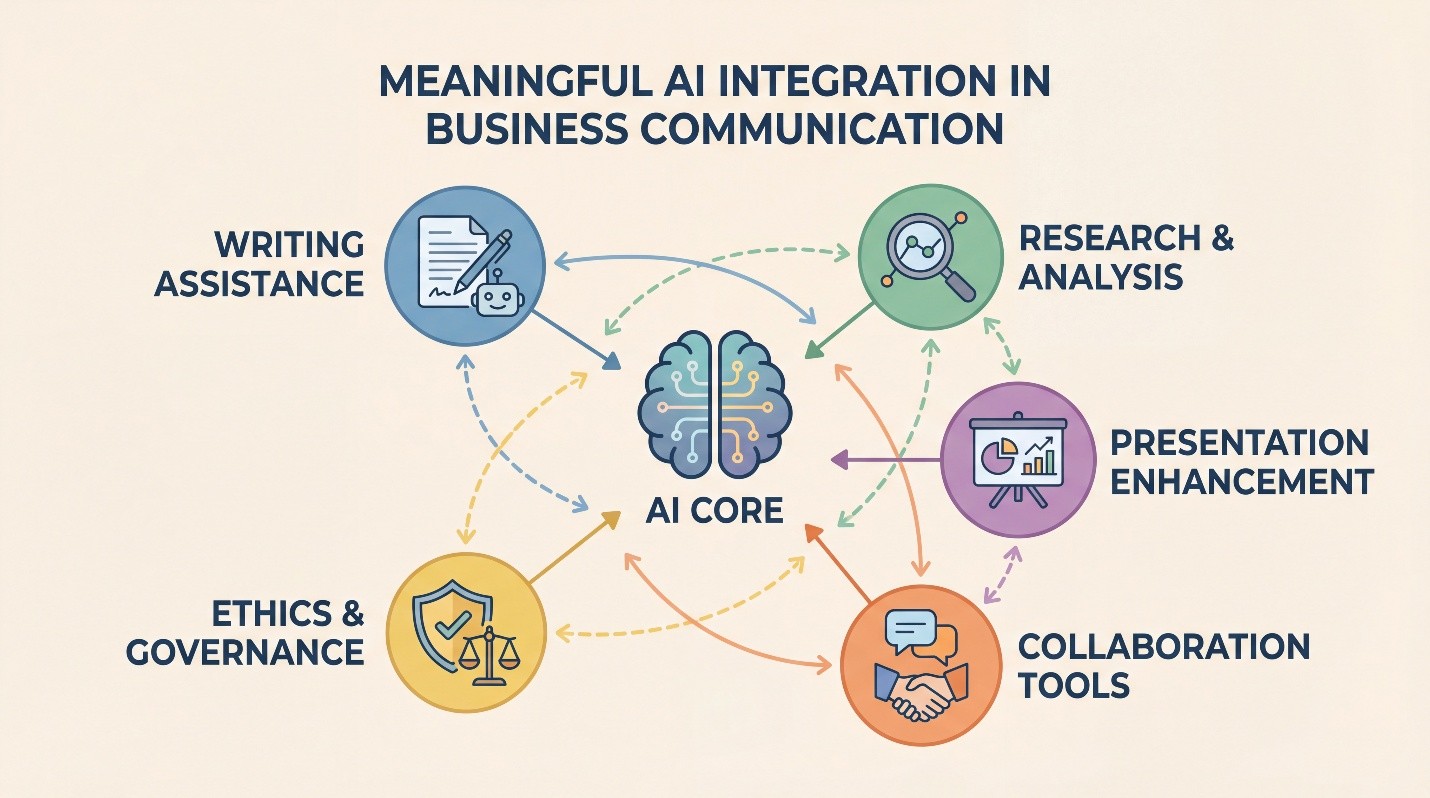
Figure 3.1 Meaningful AI integration embeds judgment and accountability into everyday communication tasks rather than isolating AI in a single chapter.
CLUSTER 3 — LANDING PAGE
Business Communication Textbooks with Meaningful AI Integration
.Introduction
Many business communication textbooks now mention artificial intelligence, but mention alone does not equal instruction. Meaningful AI integration teaches students how to evaluate, revise, and take responsibility for AI-assisted communication—across writing, research, presentations, collaboration, and ethics.
This cluster helps instructors distinguish between textbooks that merely reference AI and those that truly teach students how to communicate professionally with AI.
What Meaningful AI Integration Looks Like
Meaningful AI integration is defined by consistency and application. Rather than isolating AI in a single chapter, integrated textbooks embed AI guidance directly into core communication tasks.
In well-integrated texts, students encounter AI when they:
- Draft and revise business documents
- Analyze and verify information
- Design presentations and visuals
- Collaborate in team settings
- Make ethical and professional decisions
AI becomes part of the communication workflow, not a detour from it.
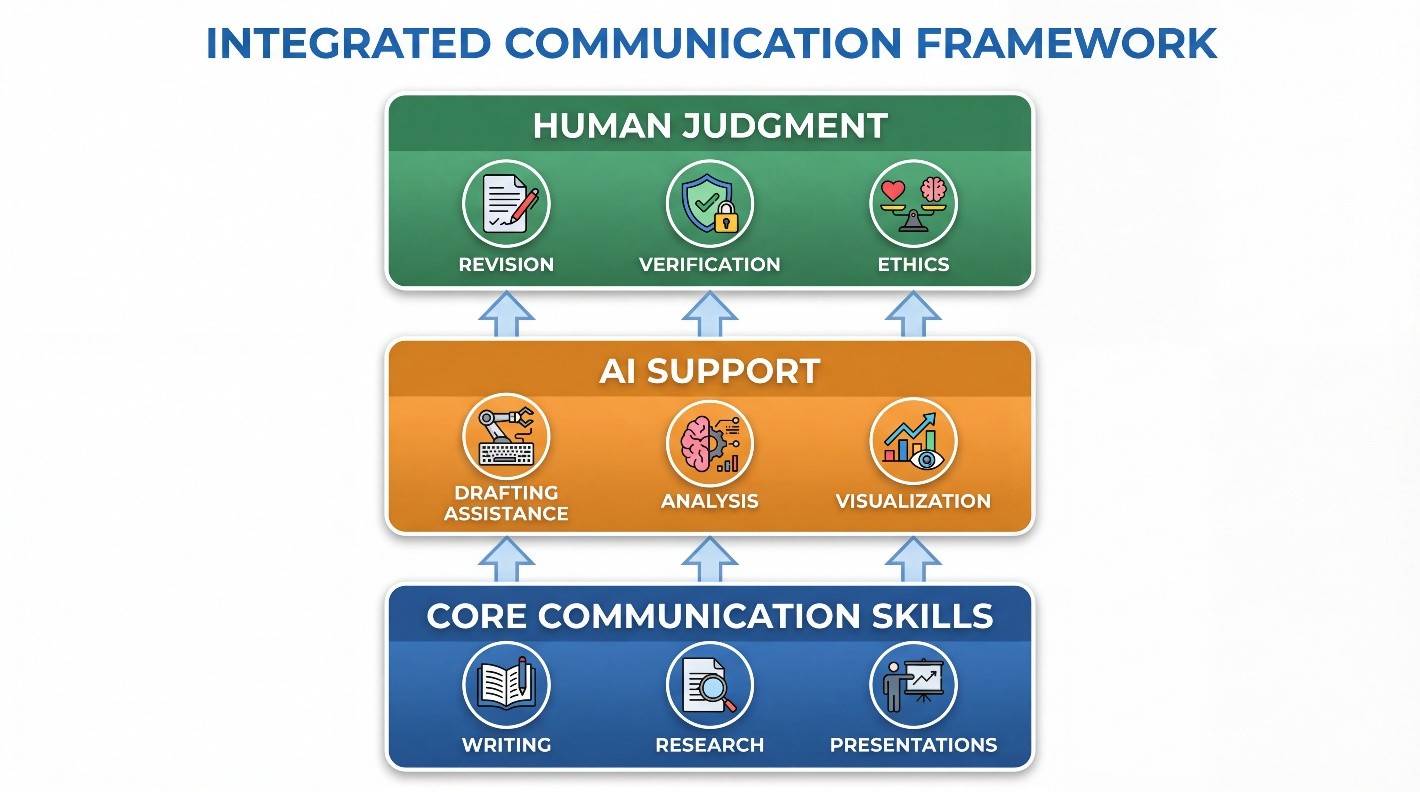
Figure 3.2 AI can support communication tasks, but human judgment determines quality, credibility, and ethical responsibility.
The Instructional Cost of Superficial AI Coverage
When AI coverage is shallow or isolated, instructors face predictable challenges:
- Students over-trust AI-generated content
- Assignments require extensive retrofitting
- Assessment criteria become unclear
- Ethical expectations remain implicit
Superficial AI coverage shifts responsibility from the textbook to the instructor, increasing preparation time and instructional risk.
Indicators Instructors Can Use to Judge AI Integration
Instructors can quickly assess whether AI integration is meaningful by asking:
- Does AI appear across multiple chapters tied to core skills?
- Are students required to evaluate and revise AI output?
- Is AI framed as a tool requiring human judgment?
- Are ethical considerations embedded in realistic scenarios?
- Is AI use reflected in assessment criteria?
Consistent “yes” answers indicate instructional depth rather than surface coverage.
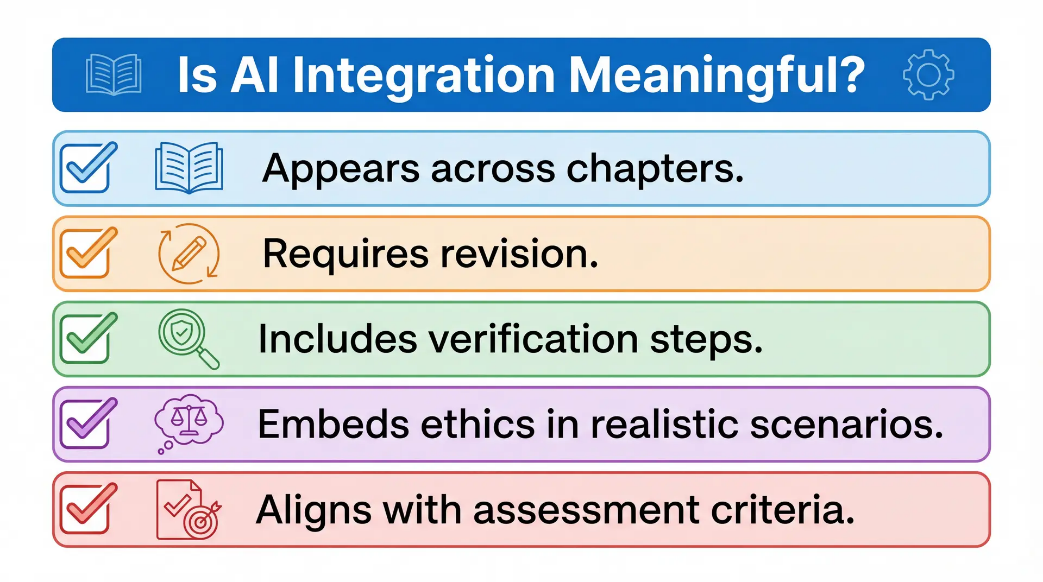
Figure 3.3 If AI is present without revision, verification, ethics, and assessment alignment, integration is likely superficial
Key Takeaway
Meaningful AI integration strengthens business communication instruction by embedding judgment, accountability, and ethics into everyday communication tasks rather than treating AI as a standalone topic.
Instructor FAQs
(Collapsible / Accordion Block)
What makes AI integration meaningful in a business communication textbook?
AI integration is meaningful when guidance appears across chapters, is tied to core communication skills, and requires students to evaluate, revise, and take responsibility for AI-assisted work.
Why does superficial AI coverage increase instructor workload?
When AI is treated as an add-on, instructors must create their own assignments, evaluation criteria, and ethical guidance to fill instructional gaps.
How can instructors tell if AI integration supports learning outcomes?
Look for AI prompts aligned with learning objectives, revision guidance, ethics scenarios, and grading criteria that assess judgment rather than polished output alone.
Primary CTA
Determine whether AI in your course materials supports skill development—or simply checks a box.
→ Identify indicators of meaningful AI integration in business communication textbooks
Instructor FAQs
What makes AI integration meaningful in a business communication textbook?
AI integration is meaningful when guidance appears across chapters, is tied to core communication skills, and requires students to evaluate, revise, and take responsibility for AI-assisted work.
Why does superficial AI coverage increase instructor workload?
When AI coverage is isolated or shallow, instructors must create additional assignments, evaluation criteria, and ethical guidance to compensate for missing instructional structure.
How can instructors determine whether AI integration supports learning outcomes?
Instructors should look for AI prompts aligned with learning objectives, revision guidance, ethics scenarios, and grading criteria that assess judgment rather than output alone.