 Business Communication Teaching and Learning Center
Thursday, November 19, 2026
Crisis Prevention

Figure 73.1 Cultural awareness is essential in AI-assisted communication.
CLUSTER 73 — LANDING PAGE
Teaching Cross-Cultural Adaptation in AI-Assisted Messages
Introduction
AI-generated messages may not account for cultural differences in tone, norms, or expectations. Students must learn to adapt AI output for diverse audiences.
Instructional Focus
Instruction emphasizes cultural sensitivity, clarity, and inclusivity.
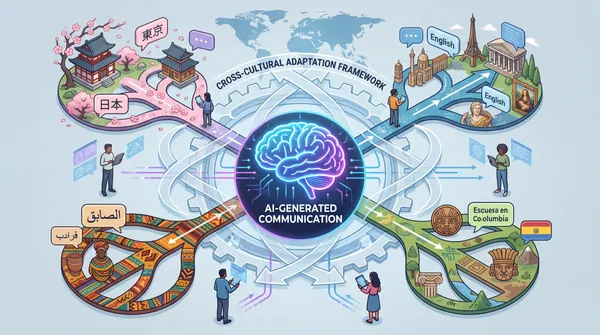
Figure 73.2 Adaptation improves global communication.
Effective cross-cultural adaptation requires more than surface edits to wording. Students must evaluate whether AI-generated content reflects appropriate levels of formality, directness, hierarchy awareness, and relationship orientation for the intended audience. Between generating and sending a message, learners should pause to assess assumptions embedded in tone, examples, and persuasive appeals.
By comparing how a single AI draft performs across different cultural contexts, instructors help students recognize subtle risks—such as unintended bluntness, misplaced humor, or culturally narrow references. This deliberate review process strengthens global competence and reinforces that responsible AI use depends on informed human judgment.
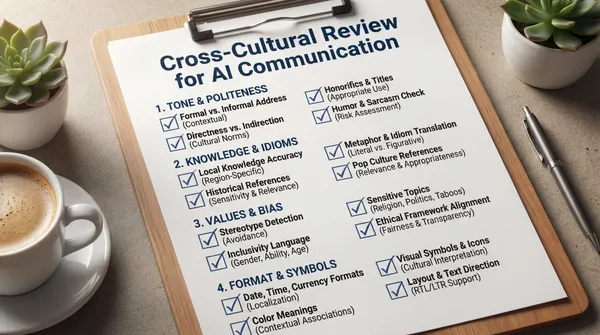
Figure 73.3 Cultural review reduces miscommunication.
Key Takeaway
Global audiences require deliberate adaptation.
Instructor FAQs
(Collapsible / Accordion Block)
Why does AI struggle with cultural nuance?
Because it generalizes across contexts without lived experience.
How can instructors teach cross-cultural adaptation?
Use comparative audience analysis tasks.
FAQ Schema (JSON-LD)
Instructor FAQs
Why does AI struggle with cultural nuance?
AI generalizes patterns without understanding cultural context or lived experience.
How can instructors teach cross-cultural adaptation in AI-assisted communication?
By assigning tasks that require students to adapt messages for different cultural audiences.