 Business Communication Teaching and Learning Center
Monday, September 14, 2026
Business Communication Teaching and Learning Center
Monday, September 14, 2026
Future-Readiness
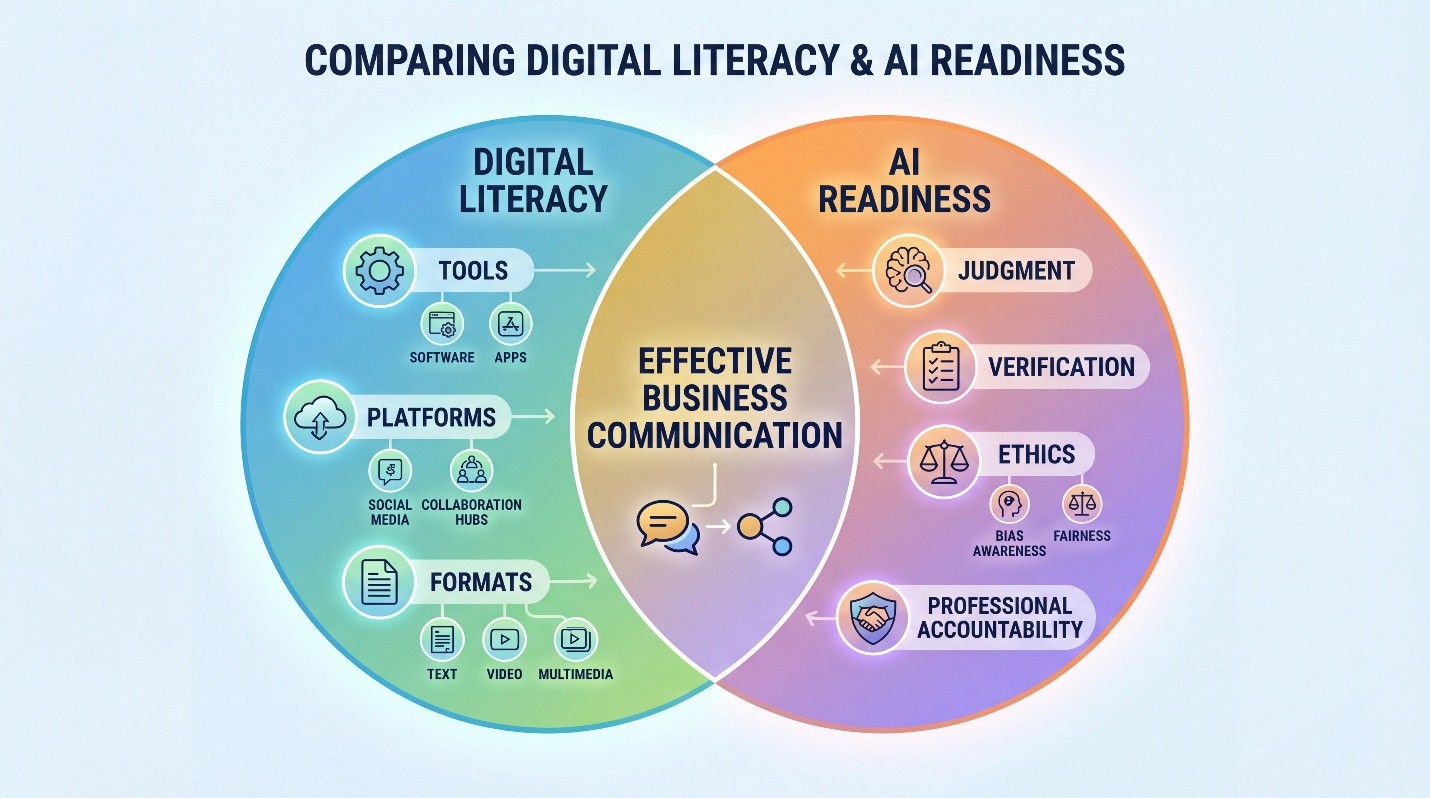
Figure 2.1 Digital literacy focuses on tools. AI readiness focuses on judgment. Effective communication requires both.
CLUSTER 2 — LANDING PAGE
Comparing Digital Literacy and AI Readiness Across Textbooks
Introduction
Many business communication textbooks claim to build digital literacy, yet employers increasingly expect something more: AI readiness. While related, these concepts are not interchangeable. Digital literacy emphasizes familiarity with tools and platforms, while AI readiness focuses on judgment, evaluation, ethics, and professional accountability in AI-assisted communication.
This cluster clarifies the distinction and helps instructors determine whether a textbook prepares students merely to use technology—or to communicate responsibly in AI-enabled environment.
Digital Literacy vs. AI Readiness
Digital literacy traditionally includes:
- Comfort with communication technologies
- Familiarity with platforms, formats, and interfaces
- Basic technical proficiency
AI readiness extends beyond tool use by teaching students to:
- Evaluate AI-generated content critically
- Decide when AI use is appropriate or risky
- Verify accuracy and identify bias
- Maintain ethical and professional responsibility
A textbook may be digitally current yet still leave students unprepared for AI-mediated workplaces.
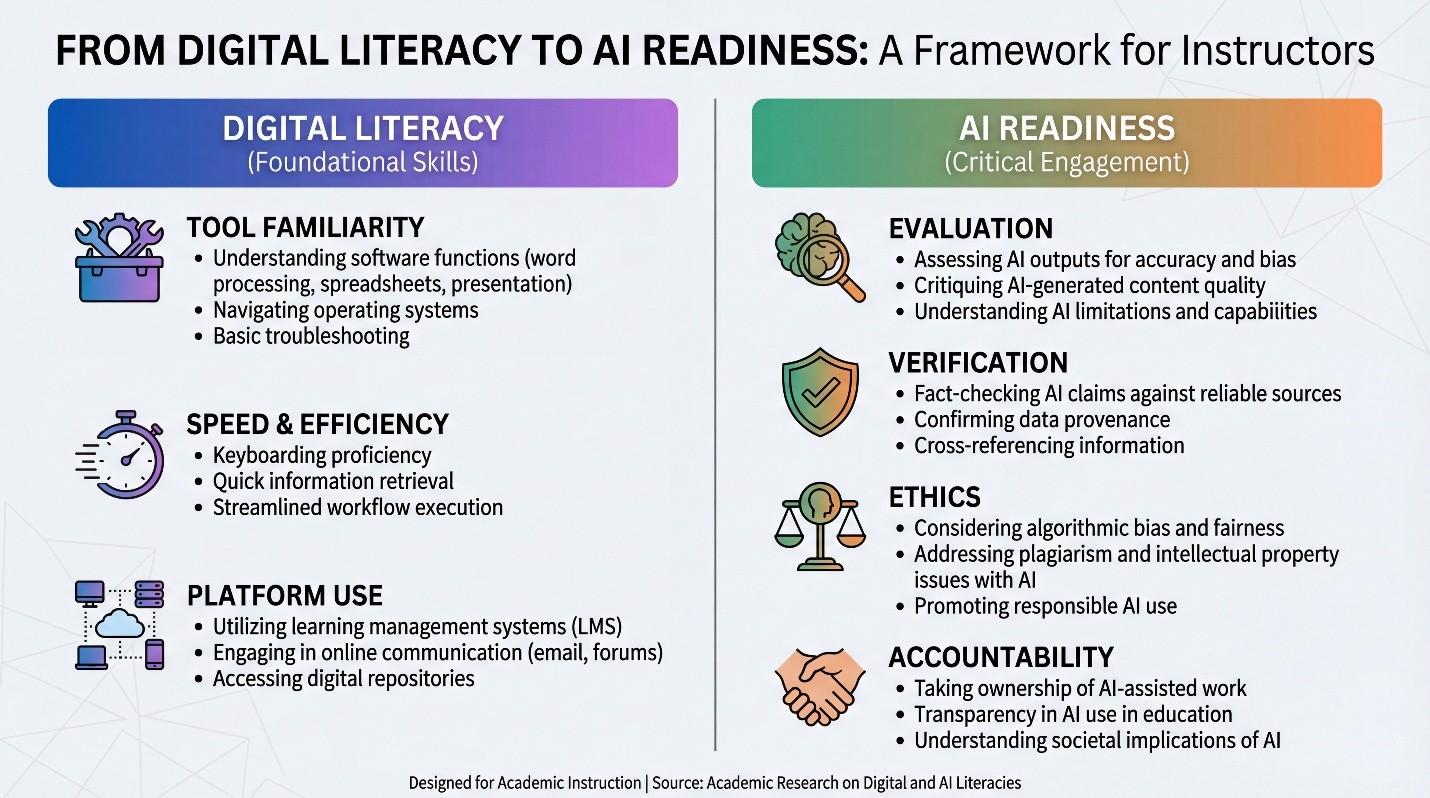
Figure 2.2 AI readiness extends beyond digital skills to include evaluation, ethics, and accountability.
Why the Distinction Matters for Instruction
Students often appear fluent because they can produce content quickly with digital tools. However, speed does not equal competence. Without explicit instruction in AI judgment, students may over-rely on AI, fail to verify outputs, or misunderstand professional expectations.
When textbooks blur the line between digital literacy and AI readiness, instructors are left to teach judgment informally rather than structurally—adding risk, time, and inconsistency to the course.
How to Identify AI Readiness in a Textbook
Instructors can quickly assess AI readiness by looking for:
- AI embedded into writing, revision, and presentation guidance
- Explicit discussion of verification, bias, and limitations
- Ethical decision-making scenarios tied to real communication tasks
- Assessment criteria that evaluate judgment, not just output
These indicators signal whether AI readiness is built into the learning design.
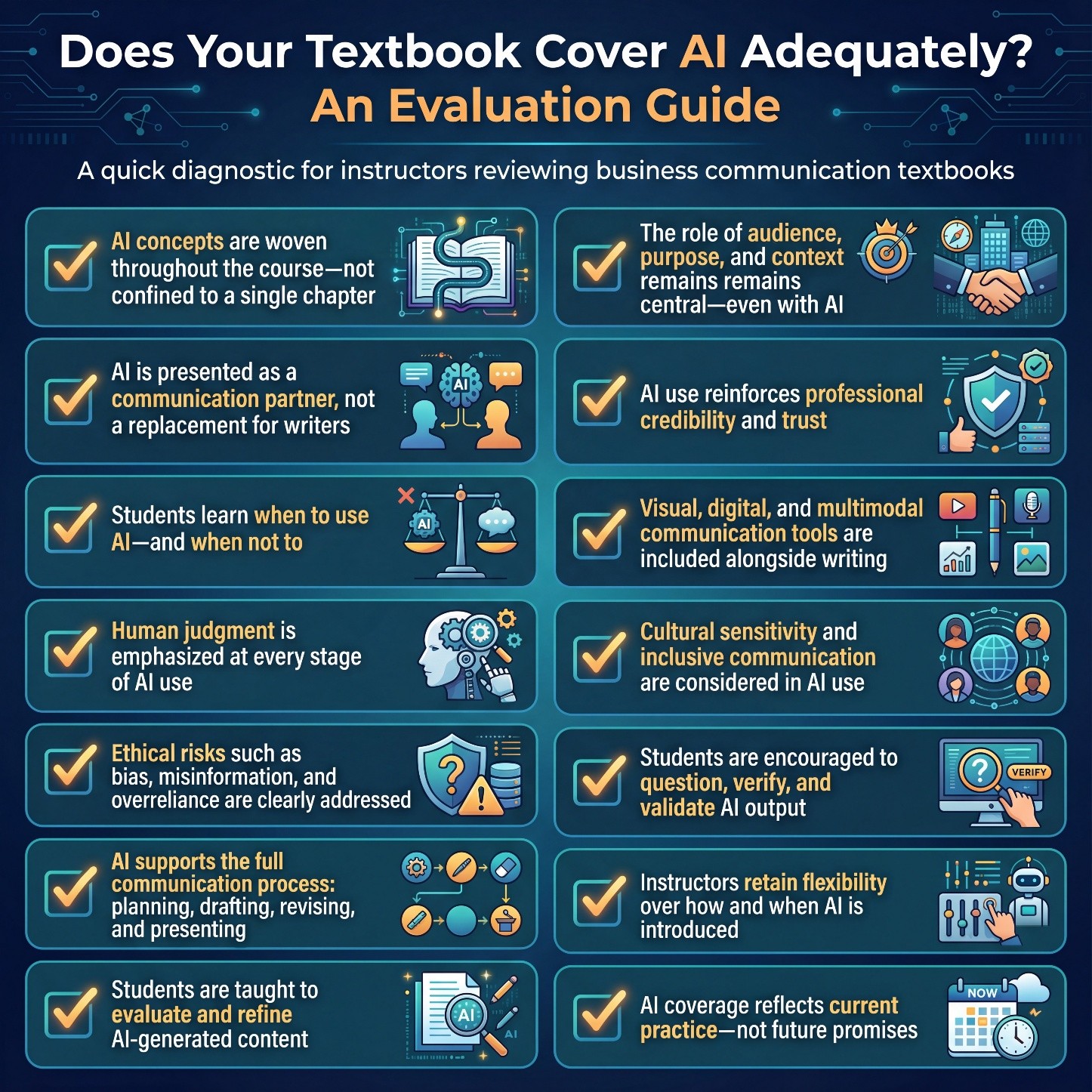
Figure 2.3 If AI isn’t tied to evaluation, revision, and ethics, readiness is likely missing.
Key Takeaway
Digital literacy is necessary, but AI readiness is essential. Business communication textbooks must teach students how to think with AI—not just how to operate tools.
Primary CTA
Clarify whether your course materials teach tool use—or professional judgment.
→ Compare digital literacy and AI readiness frameworks used in modern business communication courses
Instructor FAQs
Is digital literacy the same as AI readiness?
No. Digital literacy focuses on tool and platform use, while AI readiness emphasizes judgment, evaluation, ethics, and professional decision-making in AI-assisted communication.
Why does AI readiness matter for business communication students?
Employers expect graduates to use AI responsibly, verify outputs, and communicate with accountability in AI-enabled workflows.
How can instructors spot AI readiness quickly in a textbook?
Look for AI guidance embedded across chapters that requires evaluation, revision, verification, and ethical reasoning—not isolated tool descriptions.