 Business Communication Teaching and Learning Center
Wednesday, April 15, 2026
Business Communication Teaching and Learning Center
Wednesday, April 15, 2026
Hidden Challenges

Figure 41.1 Professional judgment requires evaluating AI output against real-world constraints.
CLUSTER 41 — LANDING PAGE
Teaching Real-World Constraints in AI-Assisted Communication
Introduction
AI-generated communication often assumes ideal conditions. In real business environments, constraints such as deadlines, budgets, organizational politics, and risk tolerance shape every message. Students must learn to evaluate AI output through these practical lenses.
This cluster explores how instruction can help students adapt AI-generated ideas to real-world communication contexts.
Why Constraints Matter
Ignoring constraints leads to impractical recommendations and ineffective communication. AI does not inherently understand feasibility or organizational limits. Teaching students to apply constraint-based judgment prepares them for professional reality.
Effective textbooks reinforce the idea that strong communication balances ideal solutions with practical realities.
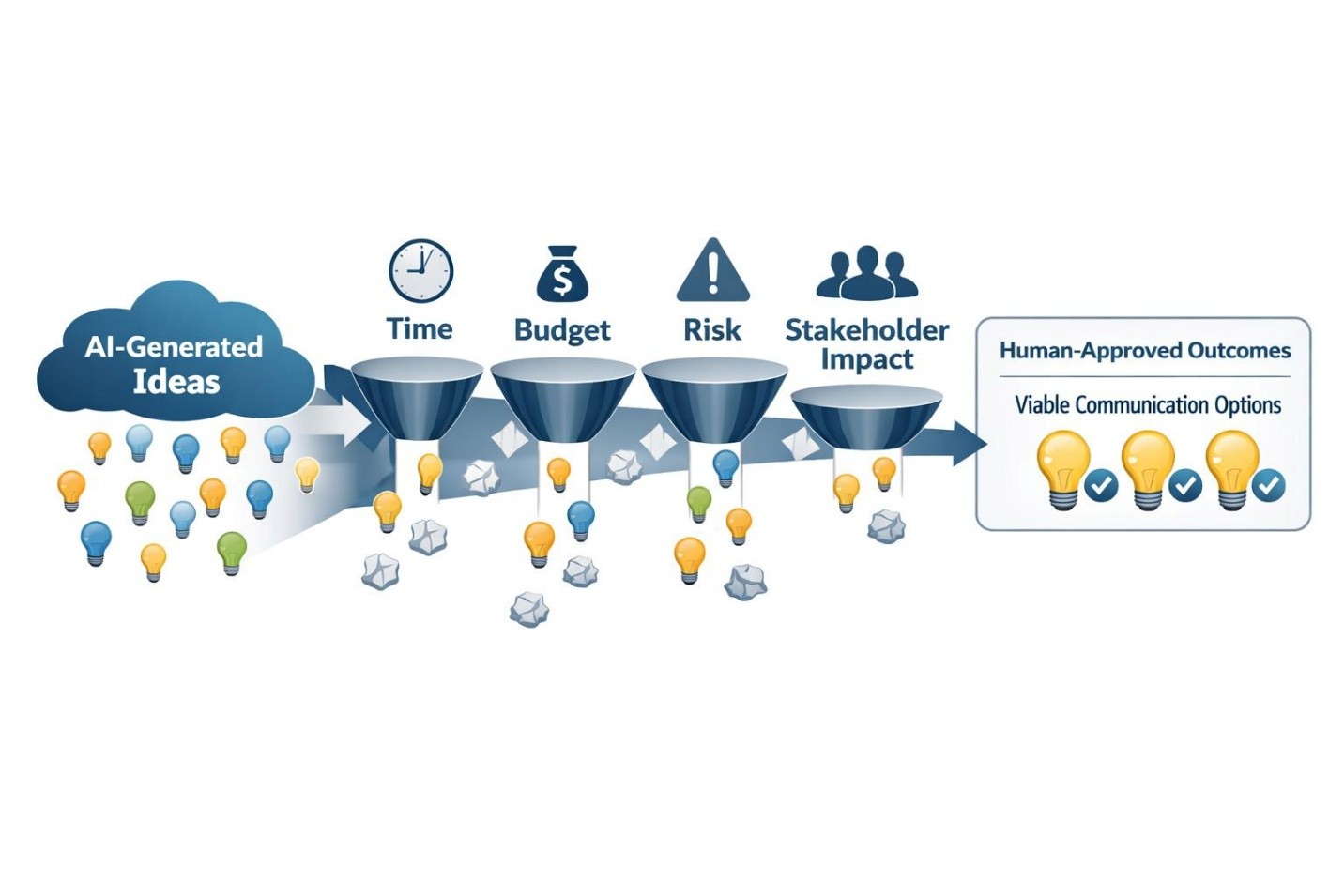
Figure 41.2 Constraints transform AI output into actionable communication.
Instructional Risks of Ignoring Constraints
Students who rely on AI without considering constraints may appear competent academically but struggle professionally. Embedding constraint analysis into assignments reinforces realism and credibility.
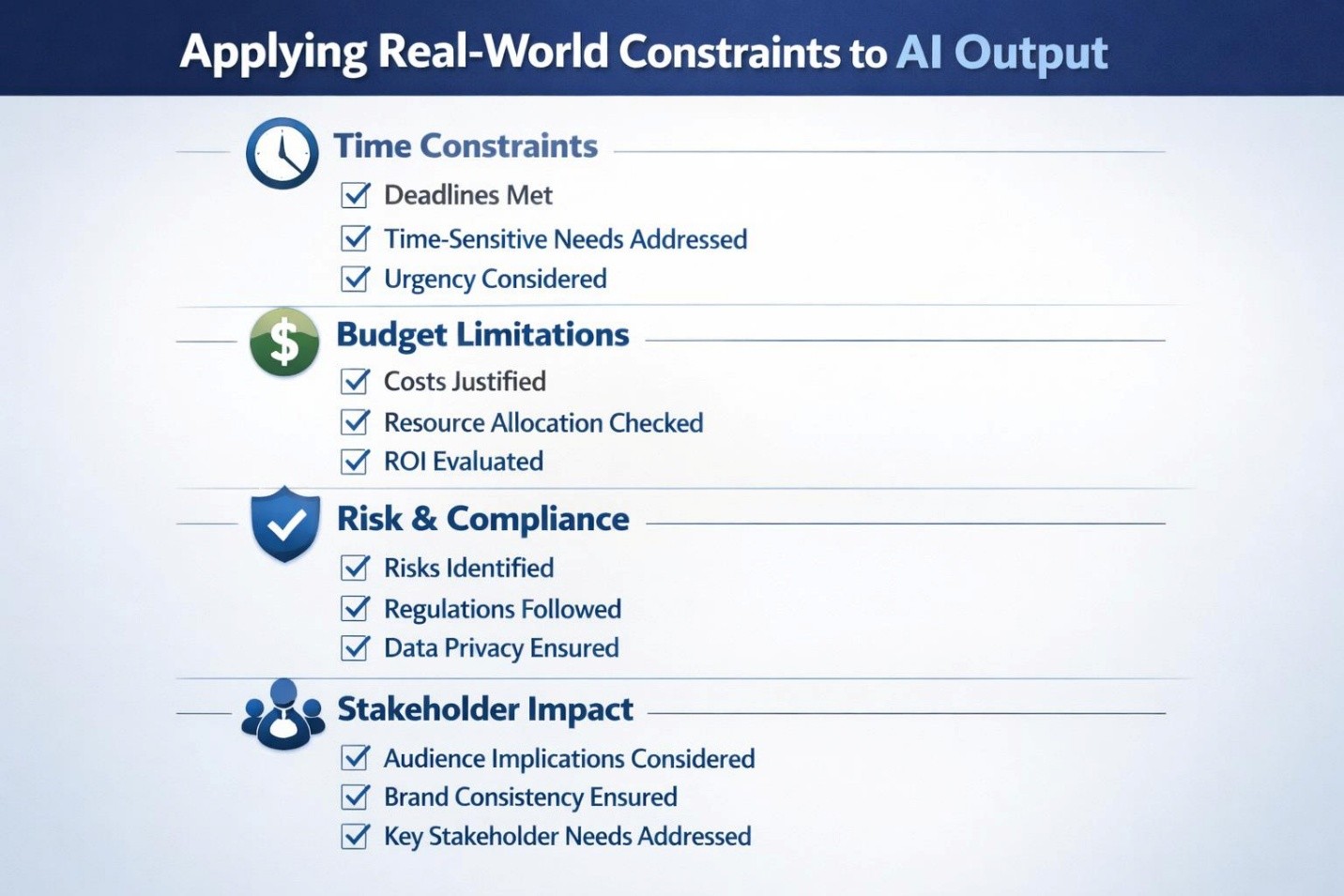
Figure 41.3 Practical constraints ensure communication feasibility.
Key Takeaway
Professional communication requires adapting AI output to real-world limits.
Instructor FAQs
Articles in This Cluster
- Are Invisible Forces Sabotaging (or Strengthening) Your Business Communication Teaching
- Overlooked Challenges in Teaching Business Communication