 Business Communication Teaching and Learning Center
Monday, September 14, 2026
Business Communication Teaching and Learning Center
Monday, September 14, 2026
Pop Culture Examples
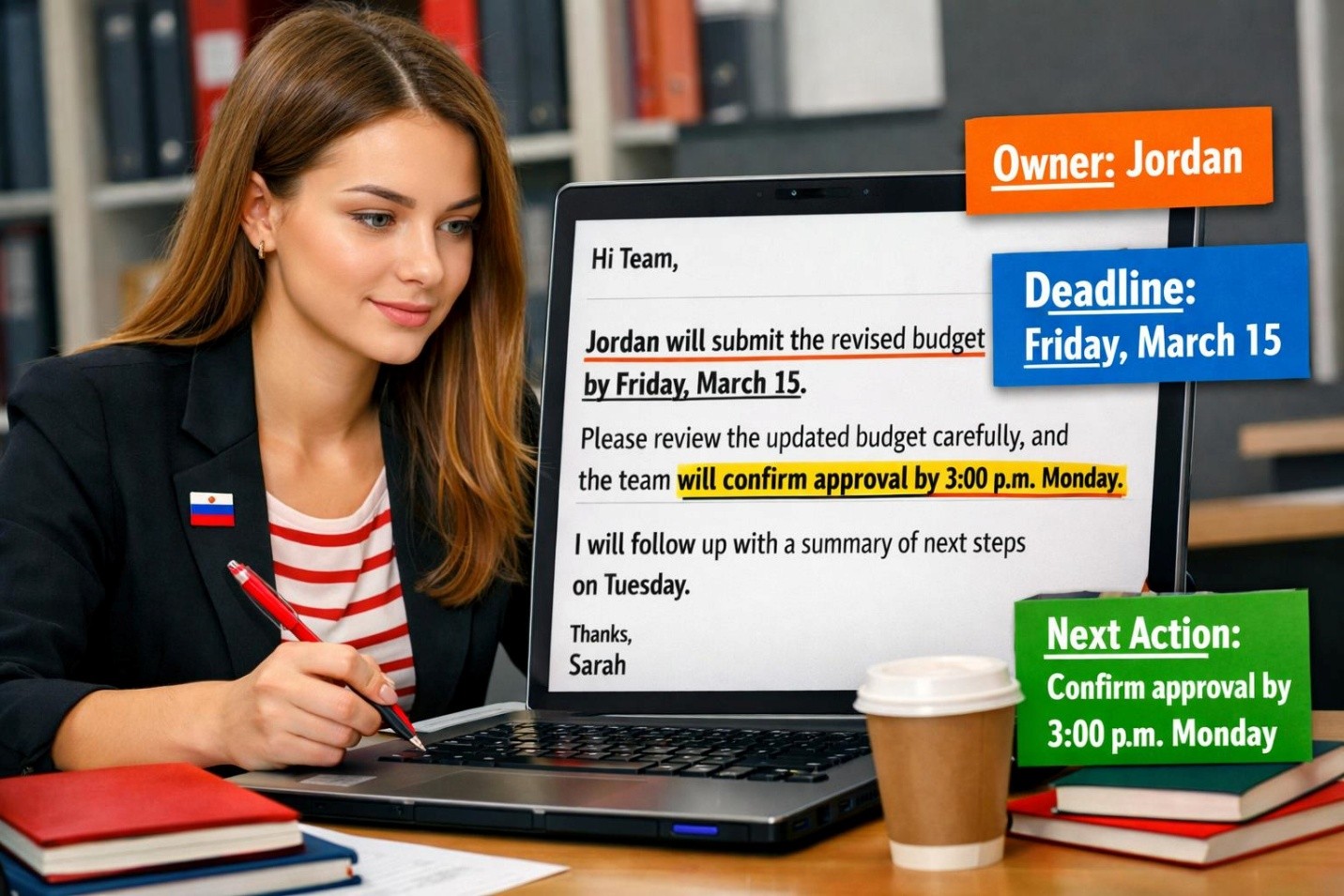
Figure 56.1 Clear calls to action turn AI-assisted messages into accountable action.
CLUSTER 56 — LANDING PAGE
Teaching AI-Assisted Calls to Action and Next Steps
Introduction
Many professional messages fail not because they are unclear, but because they do not specify what happens next. AI-generated calls to action often sound courteous while remaining vague or passive. In organizational settings, this ambiguity slows decisions and weakens accountability.
This cluster focuses on teaching students how to revise AI-generated calls to action into explicit, operational next steps.
Instructional Focus
Effective calls to action answer four questions: who will act, what they will do, by when, and how confirmation will occur. AI drafts frequently omit one or more of these elements, relying on polite phrasing rather than clarity.
Instruction reinforces that professionalism requires precision, not just tone.
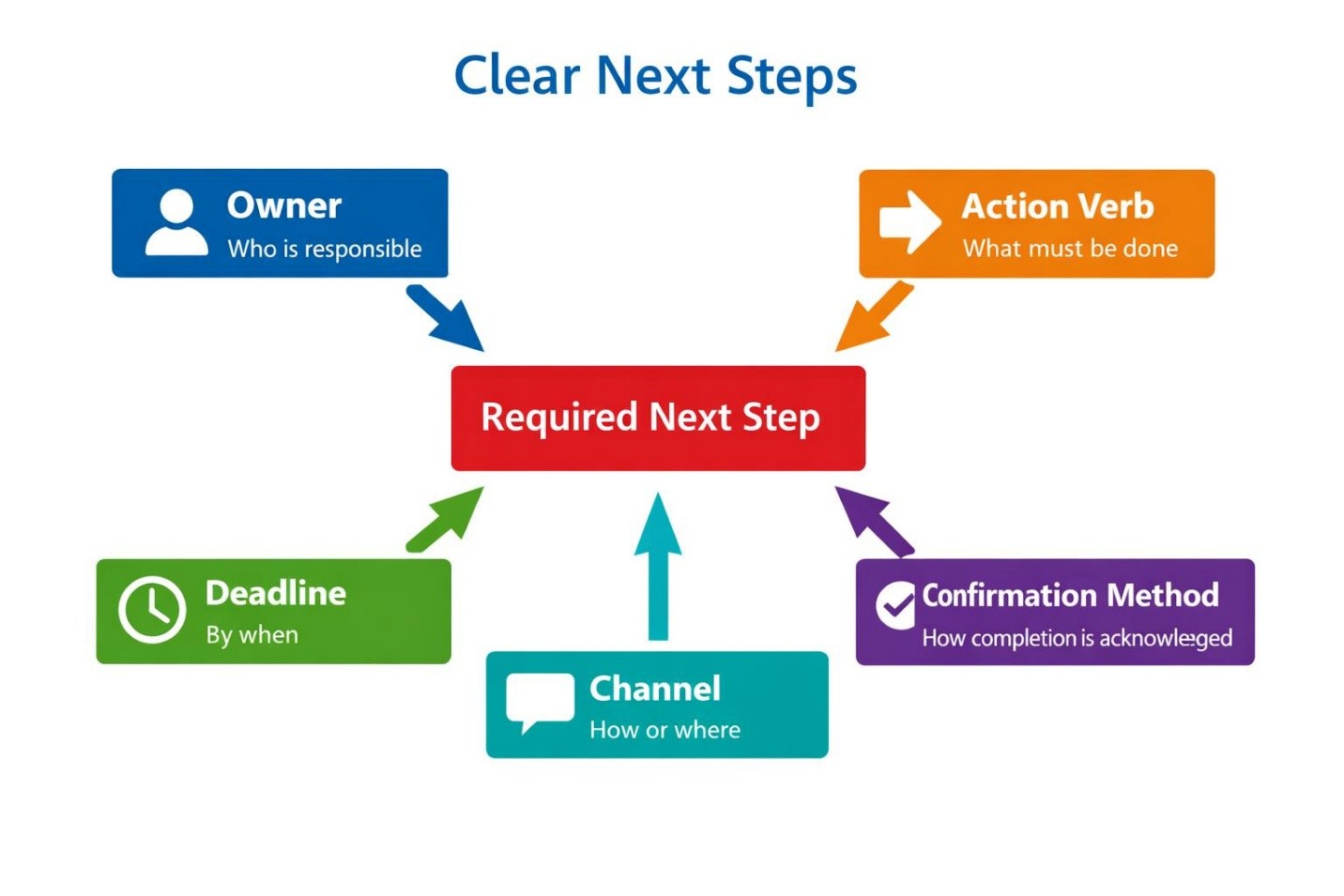
Figure 56.2 Effective CTAs specify responsibility, timing, and confirmation.
Professional Impact
Vague next steps create coordination problems, missed deadlines, and duplicated effort. Teaching students to revise CTAs reinforces accountability and improves execution in real workplace settings.
AI-generated language must be translated into human responsibility.
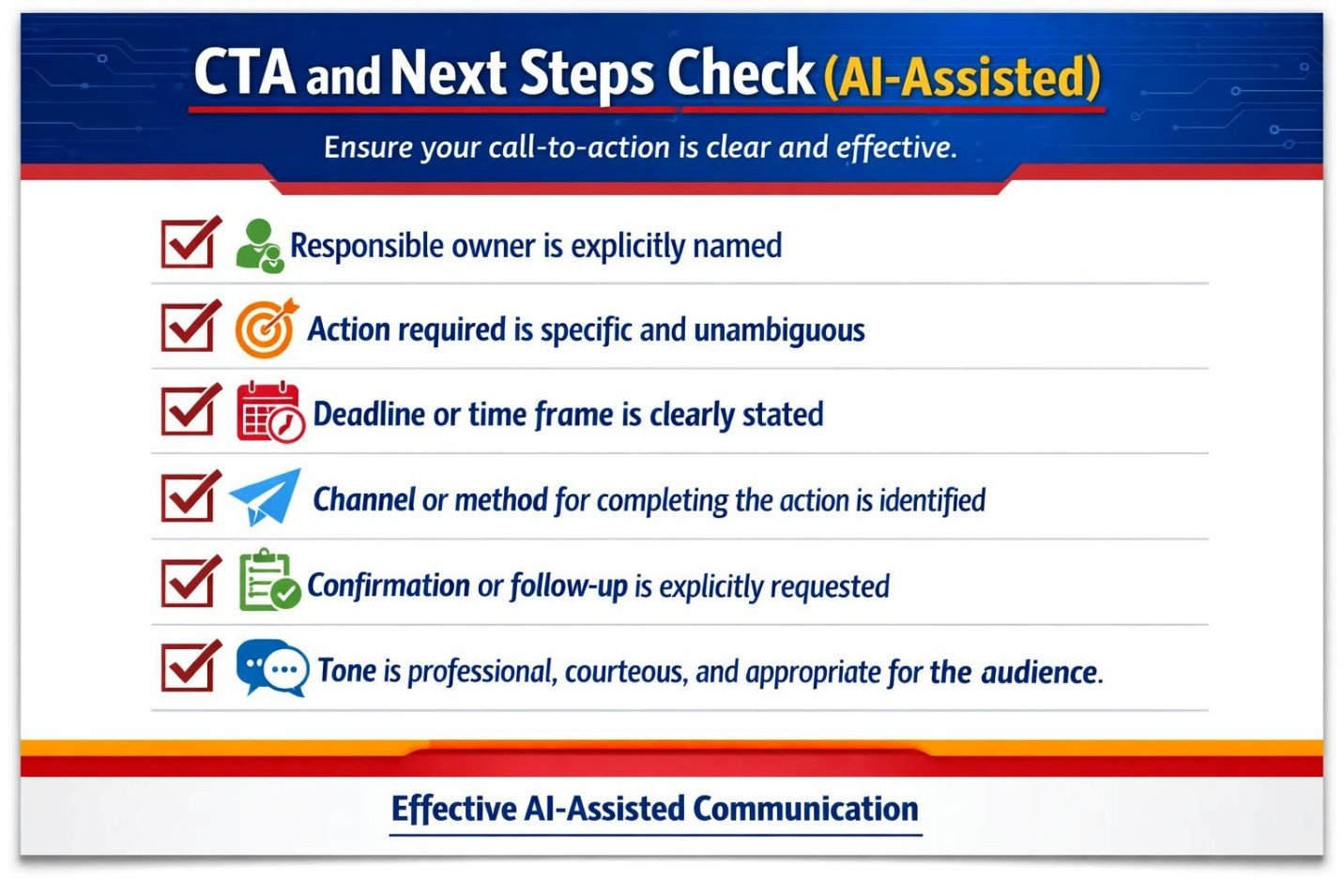
Figure 56.3 Explicit next steps convert messages into measurable action.
Key Takeaway
AI can suggest next steps, but students must revise them into accountable action.
Instructor FAQs
(Collapsible / Accordion Block)
What is the most common weakness in AI-generated CTAs?
They are often vague, passive, or unclear about responsibility and deadlines.
How can instructors reinforce accountable CTAs?
Require students to specify owner, action, deadline, and confirmation method in every message.
Instructor FAQs
What is the most common weakness in AI-generated calls to action?
They are often vague or passive and fail to specify who will do what, by when, and how confirmation will occur.
How can instructors teach students to write accountable next steps with AI-assisted drafting?
Require students to specify the owner, action verb, deadline, channel, and confirmation method in every call to action.