 Business Communication Teaching and Learning Center
Sunday, November 22, 2026
Prompt Writing
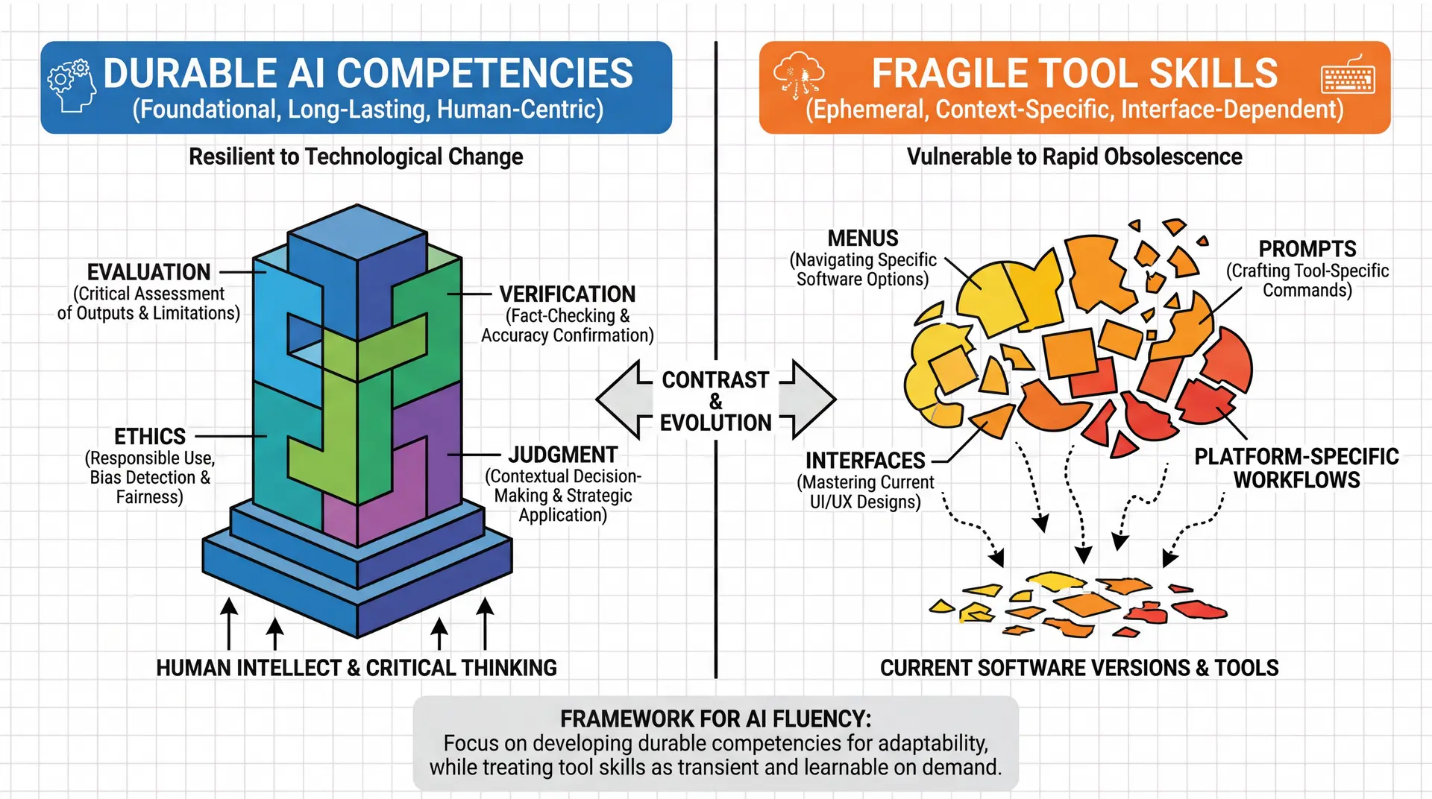
Figure 5.1 Future-ready AI instruction emphasizes durable thinking rather than short-lived tools.
CLUSTER 5 — LANDING PAGE
Future-Ready AI Instruction — Teaching Durable AI Communication Skills
Introduction
AI tools evolve rapidly, but communication principles do not. Instructors must determine whether AI content in a textbook teaches transferable thinking skills or risks becoming outdated as tools change.
This cluster helps instructors evaluate whether AI instruction is built for longevity.
Characteristics of Future-Ready AI Instruction
Future-ready AI content:
- Emphasizes evaluation and verification
- Avoids dependence on specific tools or interfaces
- Embeds ethical reasoning
- Reinforces audience awareness and judgment
Instruction focused narrowly on current tools often ages quickly.
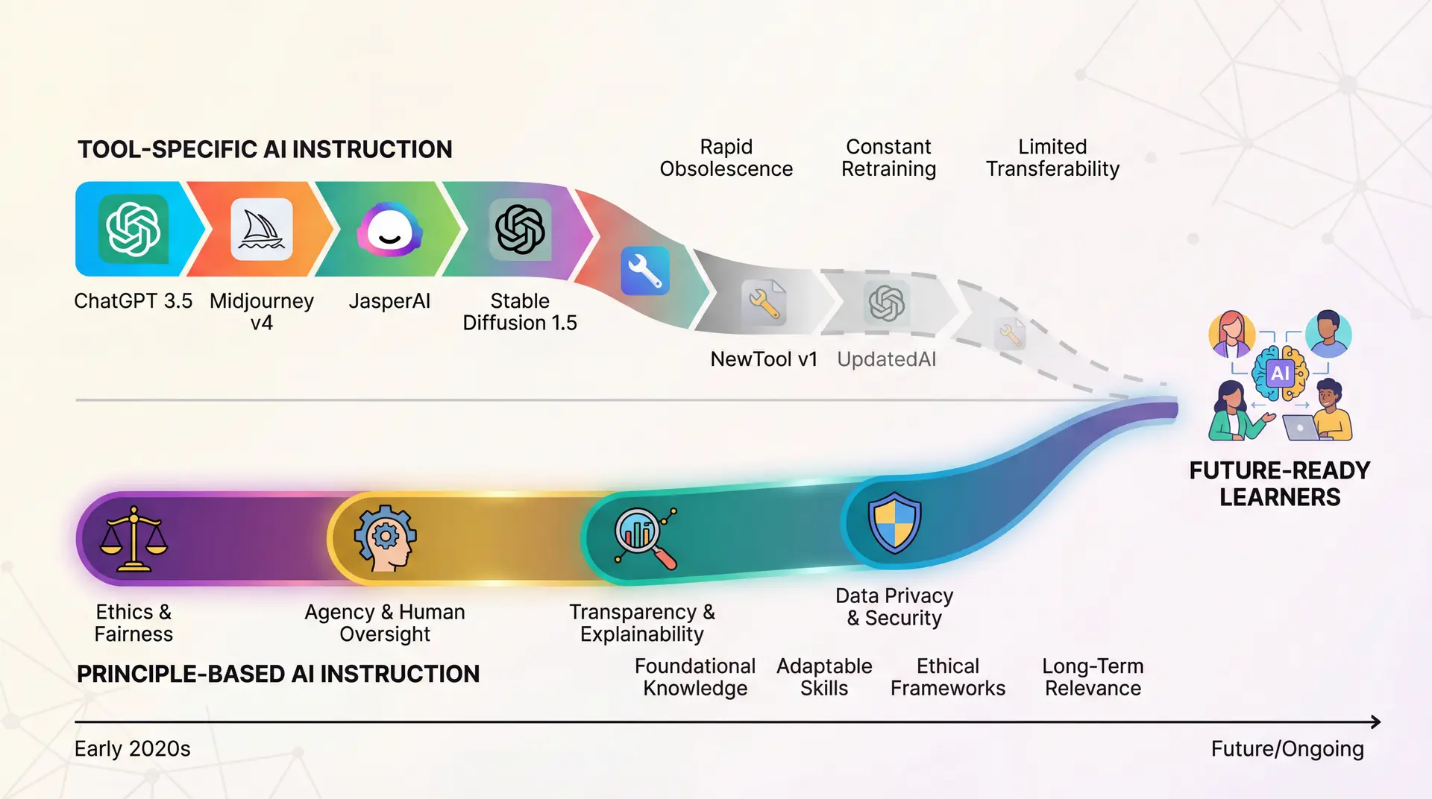
Figure 5.2 Durable AI instruction teaches students how to think, not which tool to click.
Warning Signs of Outdated AI Content
AI instruction may be fragile if it:
- Focuses heavily on specific platforms
- Lacks assessment tied to judgment\
- Omits ethics and verification
- Treats AI as a novelty rather than a workflow tool
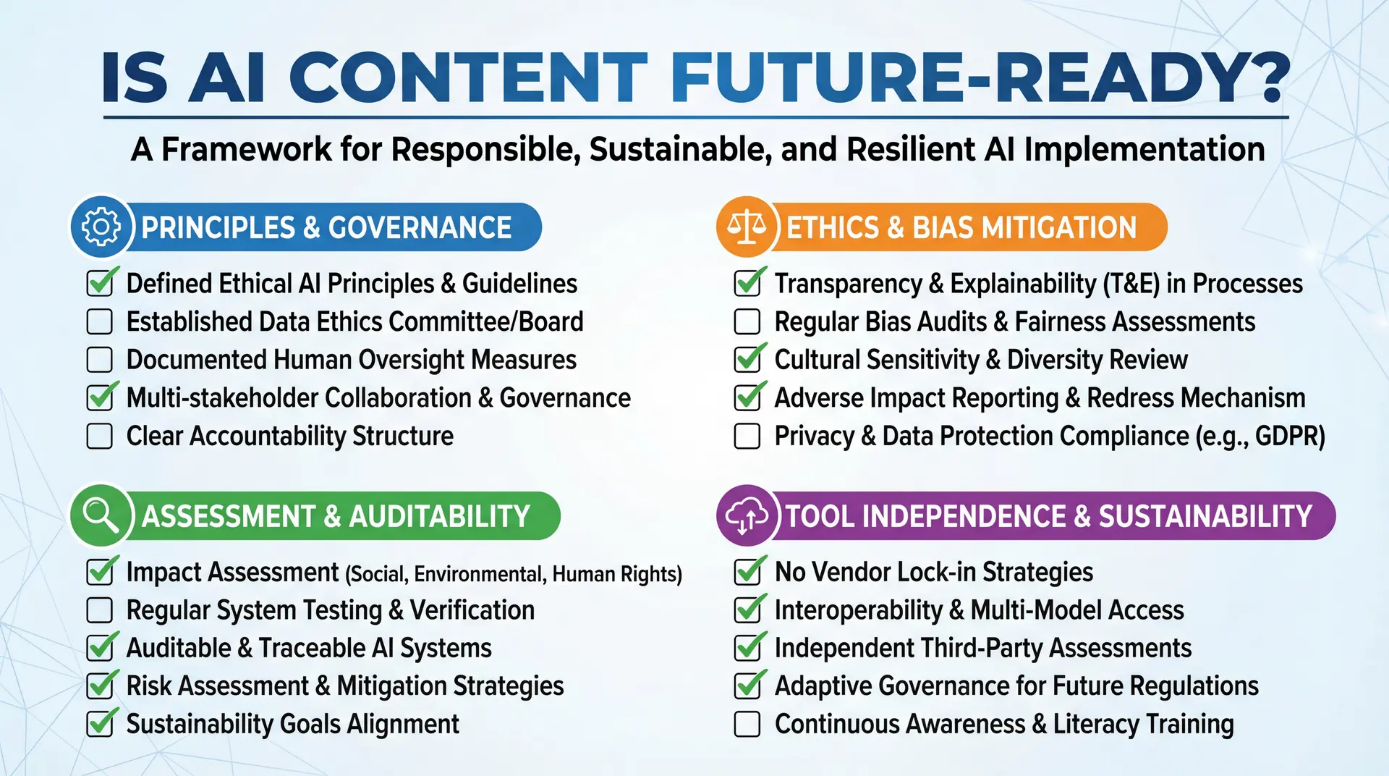
Figure 5.3 If AI instruction depends on specific tools, it may age quickly. This example shows how one instructor answered.
Key Takeaway
Future-ready AI instruction prioritizes judgment, ethics, and evaluation over tool mechanics.
Instructor FAQs
(Collapsible)
What makes AI content future-ready?
It teaches transferable skills such as evaluation, verification, and ethical reasoning rather than focusing on specific tools.
How can instructors spot fragile AI content?
Look for heavy reliance on tool tutorials and limited emphasis on judgment or assessment.
Primary CTA
Future-proof your course design.
→ Evaluate whether AI instruction emphasizes durable communication skills
Instructor FAQs
What makes AI instruction future-ready?
Future-ready AI instruction emphasizes evaluation, verification, ethics, and judgment rather than dependence on specific tools or interfaces.
How can instructors identify AI content that may become outdated?
AI content may be fragile if it focuses heavily on specific platforms, lacks assessment tied to judgment, or omits ethical and verification guidance.