 Business Communication Teaching and Learning Center
Sunday, September 13, 2026
Business Communication Teaching and Learning Center
Sunday, September 13, 2026
Student Feedback

Figure 64.1 Scenario evaluation strengthens judgment in AI-assisted communication.
CLUSTER 64 — LANDING PAGE Teaching Scenario-Based Evaluation of AI-Assisted Communication
Introduction
Scenario-based evaluation forces students to apply judgment, not just technique. It connects AI use to consequences, outcomes, and decision quality. This cluster emphasizes learning through realistic business situations.
Instructional Focus
Instruction emphasizes evaluating decisions, alternatives, risks, and outcomes. Students learn that good AI use is situational, not universal.
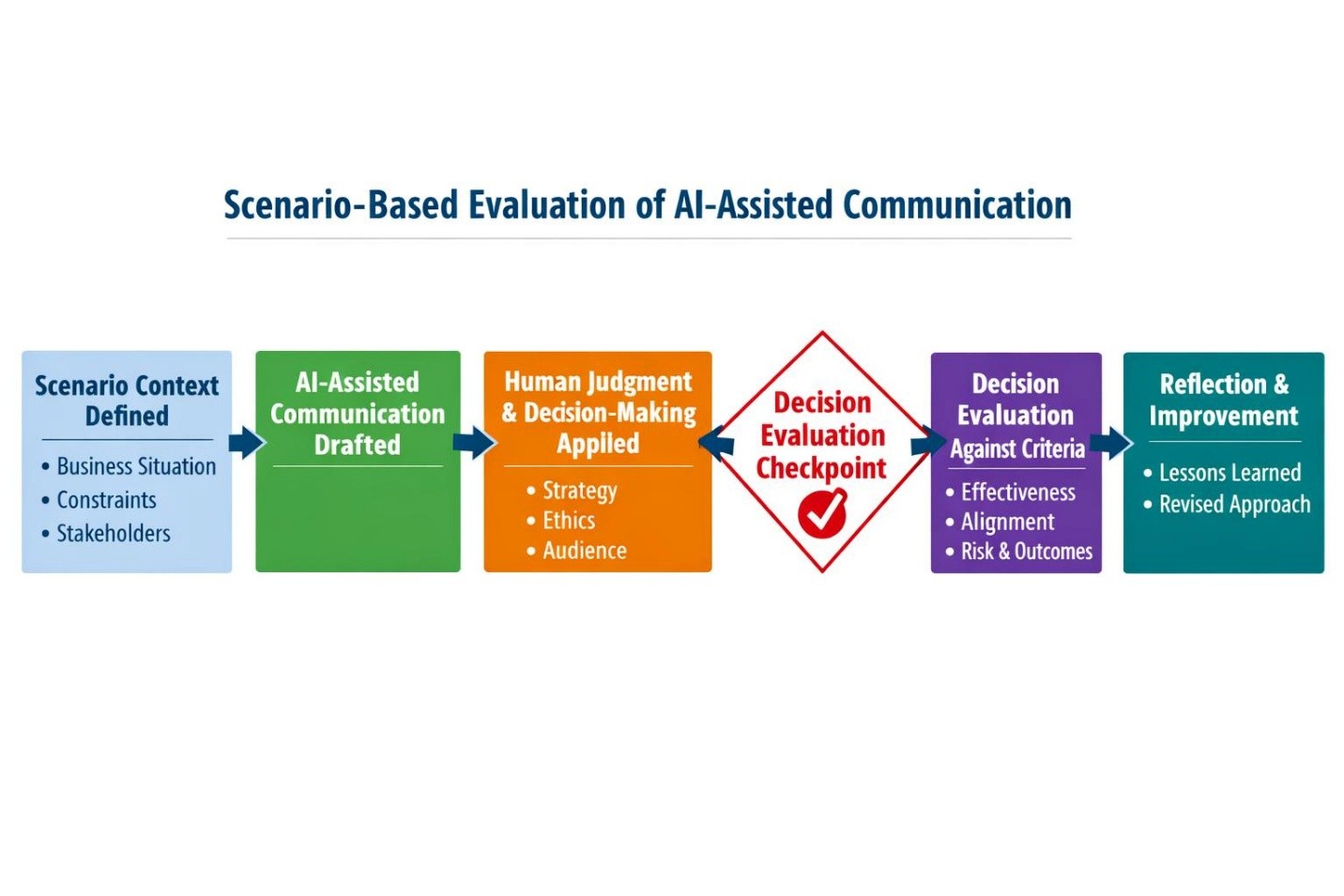
Figure 64.2 Scenario evaluation builds professional judgment.
Why Scenarios Work
Scenarios mirror real-world ambiguity and force tradeoffs. Teaching with scenarios prepares students for professional decision-making.
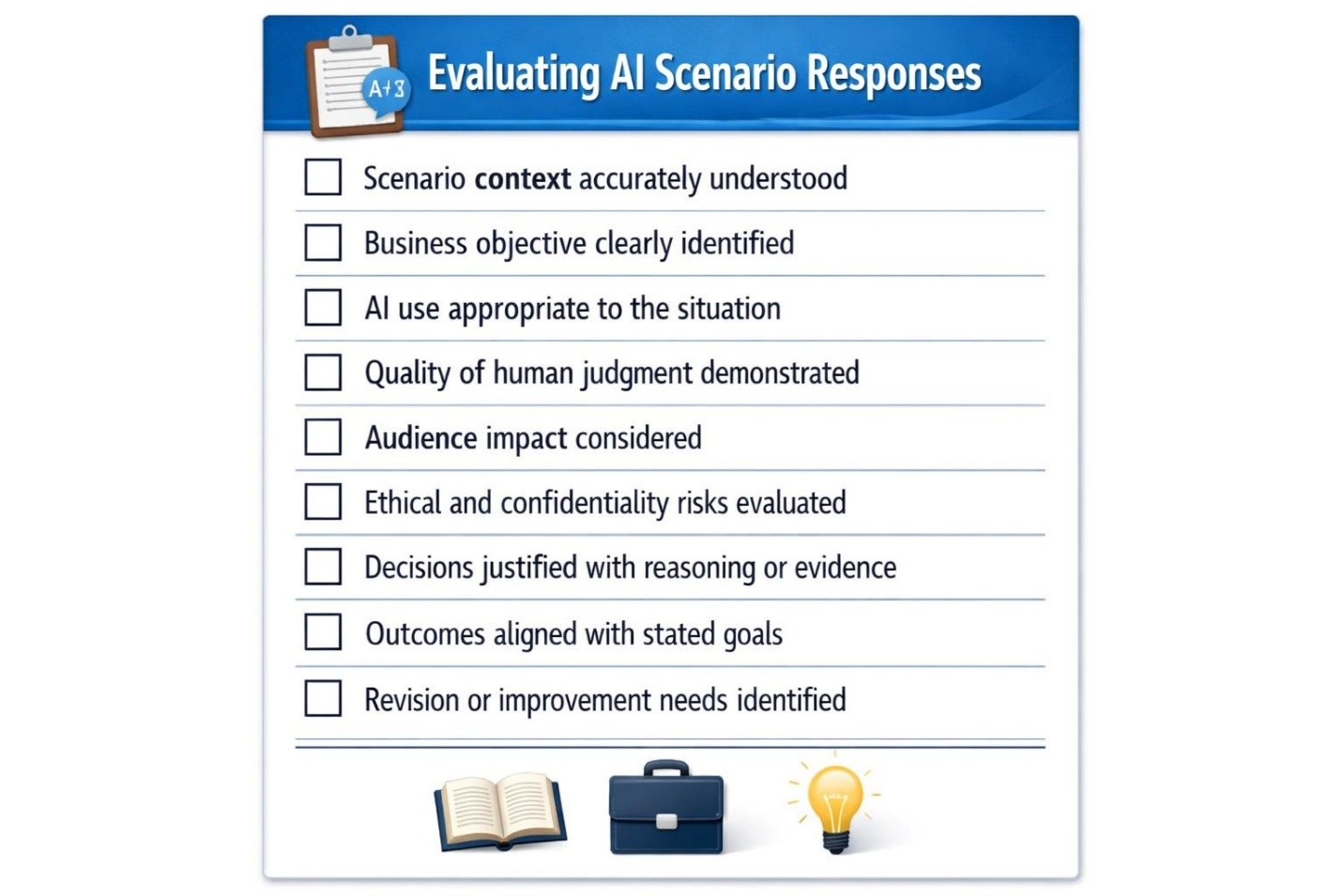
Figure 64.3 Evaluation connects AI use to decision quality.
Key Takeaway
Judgment is developed through scenario-based evaluation.
Instructor FAQs
(Collapsible / Accordion Block)
Why are scenarios effective for teaching AI use?
They require students to consider context, risk, and consequences.
How can instructors grade scenario responses?
Use criteria focused on judgment, alignment, and outcomes.
Instructor FAQs
Why is scenario-based learning effective for AI-assisted communication?
Scenarios require students to apply judgment, consider consequences, and evaluate outcomes.
How can instructors assess scenario-based AI communication tasks?
By grading based on judgment quality, goal alignment, and decision outcomes.