 Business Communication Teaching and Learning Center
Thursday, May 21, 2026
Business Communication Teaching and Learning Center
Thursday, May 21, 2026
Supporting Anxiety

Figure 66.1 Transparent documentation of AI use supports accountability and trust.
CLUSTER 66 — LANDING PAGE
Teaching Students to Document AI Use Transparently
Introduction
As AI becomes embedded in professional communication, organizations increasingly expect transparency about how AI was used. Students often rely on AI without documenting prompts, revisions, or decision points, which weakens accountability and professional credibility.
This cluster helps instructors teach students how to document AI use clearly and responsibly, emphasizing transparency rather than disclosure anxiety.
Instructional Focus
Students learn to record when AI was used, what prompts were given, and how outputs were revised or rejected. Documentation reinforces intentional use and discourages overreliance. Instruction frames transparency as a professional norm, not a compliance burden.
Clear documentation also prepares students for workplace policies that require AI-use explanations.
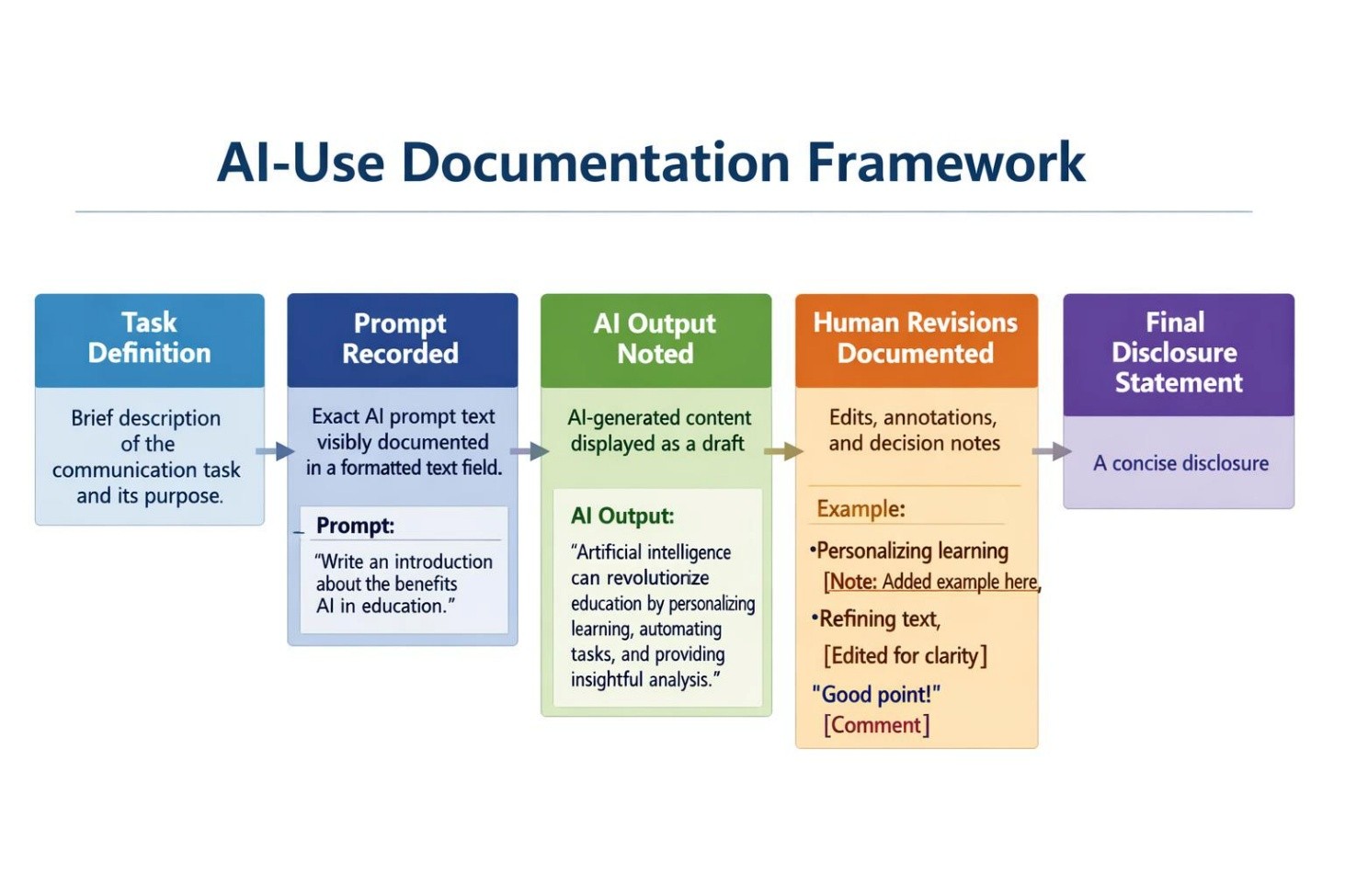
Figure 66.2 Documenting AI use clarifies responsibility and decision-making.
Why Documentation Matters
Without documentation, it is difficult to explain decisions, assess risk, or improve future AI use. In professional settings, undocumented AI use can raise ethical or legal concerns. Teaching documentation reinforces transparency and reflective practice.
Students learn that responsible AI use includes process visibility.
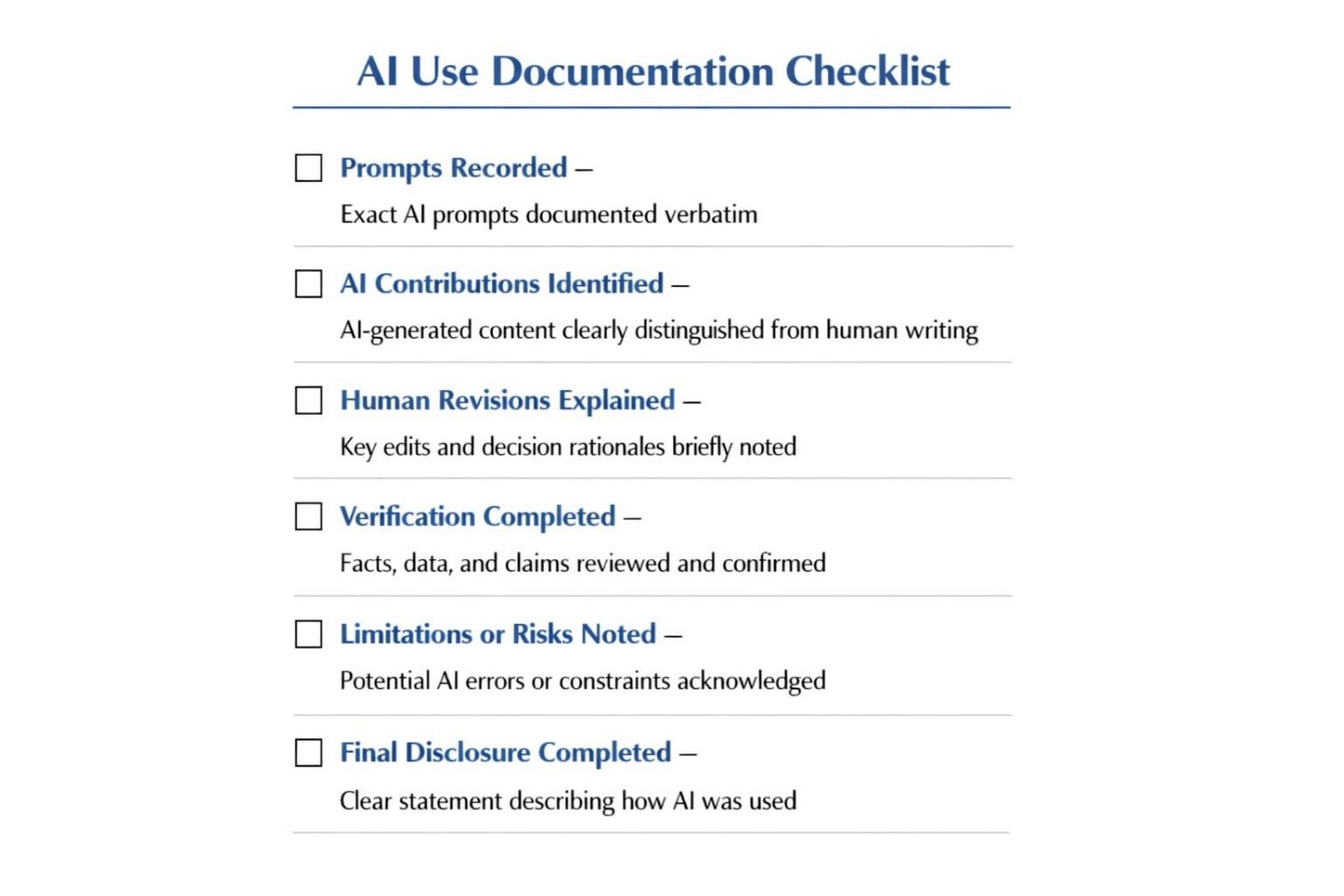
Figure 66.3 Documentation supports ethical and professional AI use.
Key Takeaway
Responsible AI use includes documenting how AI contributed to the final message.
Instructor FAQs
(Collapsible / Accordion Block)
Is documenting AI use the same as citing sources?
No. Documentation explains how AI was used, not where content came from.
How can instructors keep documentation manageable?
Use a short standardized checklist or reflection rather than long narratives.
Instructor FAQs
Is documenting AI use the same as citing sources?
No. Documenting AI use explains how AI contributed to the work, not where information originated.
How can instructors keep AI documentation manageable?
By using brief checklists or short reflections instead of lengthy explanations.