 Business Communication Teaching and Learning Center
Tuesday, September 15, 2026
Business Communication Teaching and Learning Center
Tuesday, September 15, 2026
Teaching Challenges

Figure 72.1 Ethical judgment must guide AI-assisted communication.
CLUSTER 72 — LANDING PAGE
Teaching Ethical Judgment in AI-Assisted Communication
Introduction
AI can generate persuasive messages without considering ethical implications. Students must learn to identify and evaluate ethical risks associated with AI-assisted communication.
Instructional Focus
Instruction emphasizes fairness, honesty, transparency, and responsibility. Students practice identifying ethical red flags and revising messages accordingly.
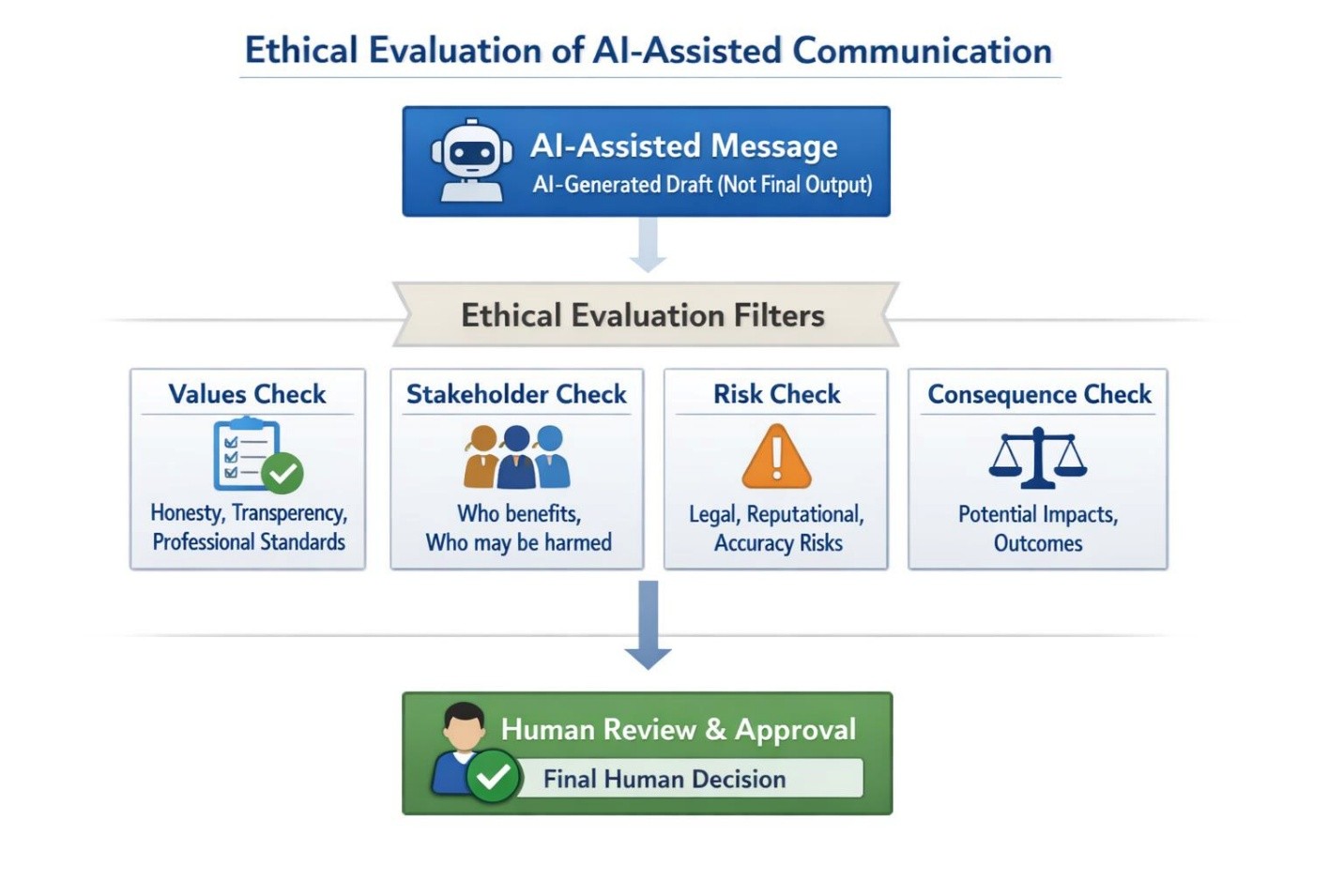
Figure 72.2 Ethical review protects trust and integrity.
Ethical judgment cannot be automated, even when the language sounds polished and persuasive. Students must learn to pause between generation and delivery to assess who might be affected, what assumptions are embedded, and where harm could occur. This review process shifts responsibility back to the communicator, reinforcing that AI assists—but does not decide. Ethical review, practiced consistently, becomes a professional habit rather than an afterthought.
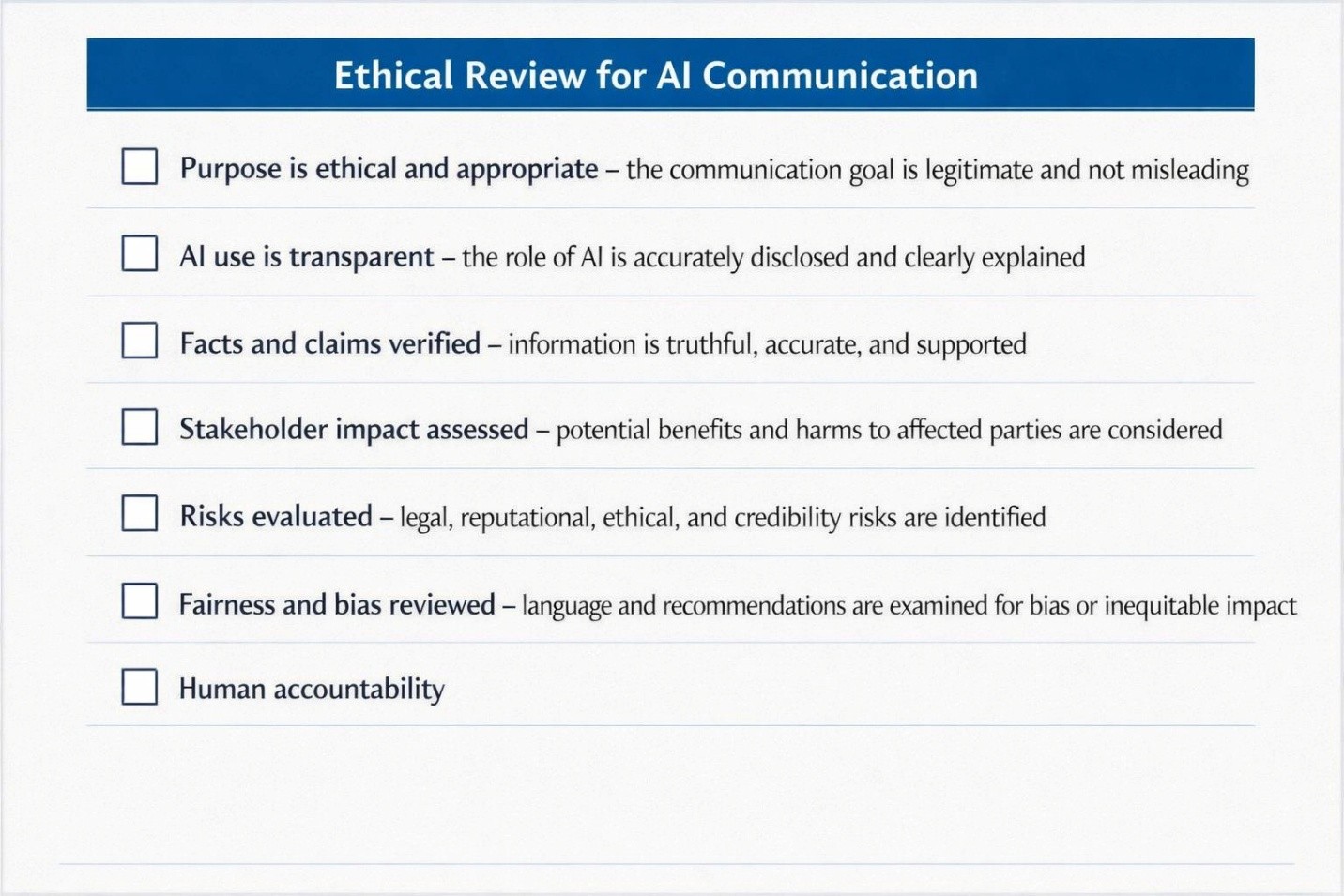
Figure 72.3 Ethical review prevents harm.
Key Takeaway
Ethical responsibility remains human.
Instructor FAQs
(Collapsible / Accordion Block)
Why can AI generate ethically risky content?
Because AI lacks moral reasoning and accountability.
How can instructors teach ethical judgment?
Use real-world ethical dilemmas and guided reflection.
Instructor FAQs
Why can AI generate ethically risky content?
AI lacks moral reasoning and cannot assess ethical consequences.
How can instructors teach ethical judgment in AI-assisted communication?
By using realistic ethical scenarios and guided evaluation exercises.