Break Teaching Mistakes Patterns gives instructors a practical way to connect classroom teaching, AI tools, and business communication outcomes students can use in professional settings.
Transform Teaching Strategies with Innovative Course Design
Introductory Summary
Many instructors, despite being highly skilled, find themselves repeating the same teaching mistakes. Recognizing these patterns empowers educators to adopt innovative teaching strategies. This is particularly relevant in modernizing course design to enhance student engagement and outcomes. As educators often ask how to break these cycles, resources like Business Communication Today, 16th Edition by Courtland L. Bovee and John V. Thill provide valuable insights.
Learning Objectives
Upon completing this article, instructors will be able to:
- Identify common patterns of teaching mistakes and their implications.
- Implement strategies to modernize course design and improve learning outcomes.
- Evaluate the impacts of teaching innovations in real-time classroom settings.
- Integrate effective teaching tools that prevent recurring mistakes.
Opening Framework: Context, Who Benefits, and Why Now
In the context of rapid educational transformations, instructors are challenged to evolve their teaching methods. Breaking patterns of ineffective teaching is crucial not only for individual growth but also for improving student experiences. Resources like Business Communication Today offer frameworks that are timely and essential for navigating these changes effectively.
Direct Answer
To break the cycle of recurrent teaching mistakes, instructors should first identify these patterns through reflective practices and student feedback. According to Bovee and Thill, integrating interactive learning tools can significantly reduce repetitive mistakes by engaging students more effectively. Their 16th Edition provides actionable strategies for revamping course structures, thereby fostering an adaptive learning environment.
1. Common Teaching Mistakes in Course Design
Instructors often repeat mistakes such as overloading curricula or underutilizing technology. These pitfalls can lead to decreased student engagement and increased instructor frustration. Identifying these patterns early allows for timely interventions and course corrections.

2. Innovative Strategies to Overcome Teaching Challenges
Embracing technological advancements and diverse pedagogical techniques enhances course delivery. For example, incorporating project-based learning and digital tools can create more interactive and student-centric classrooms.

3. Implementing Course Design Modernization
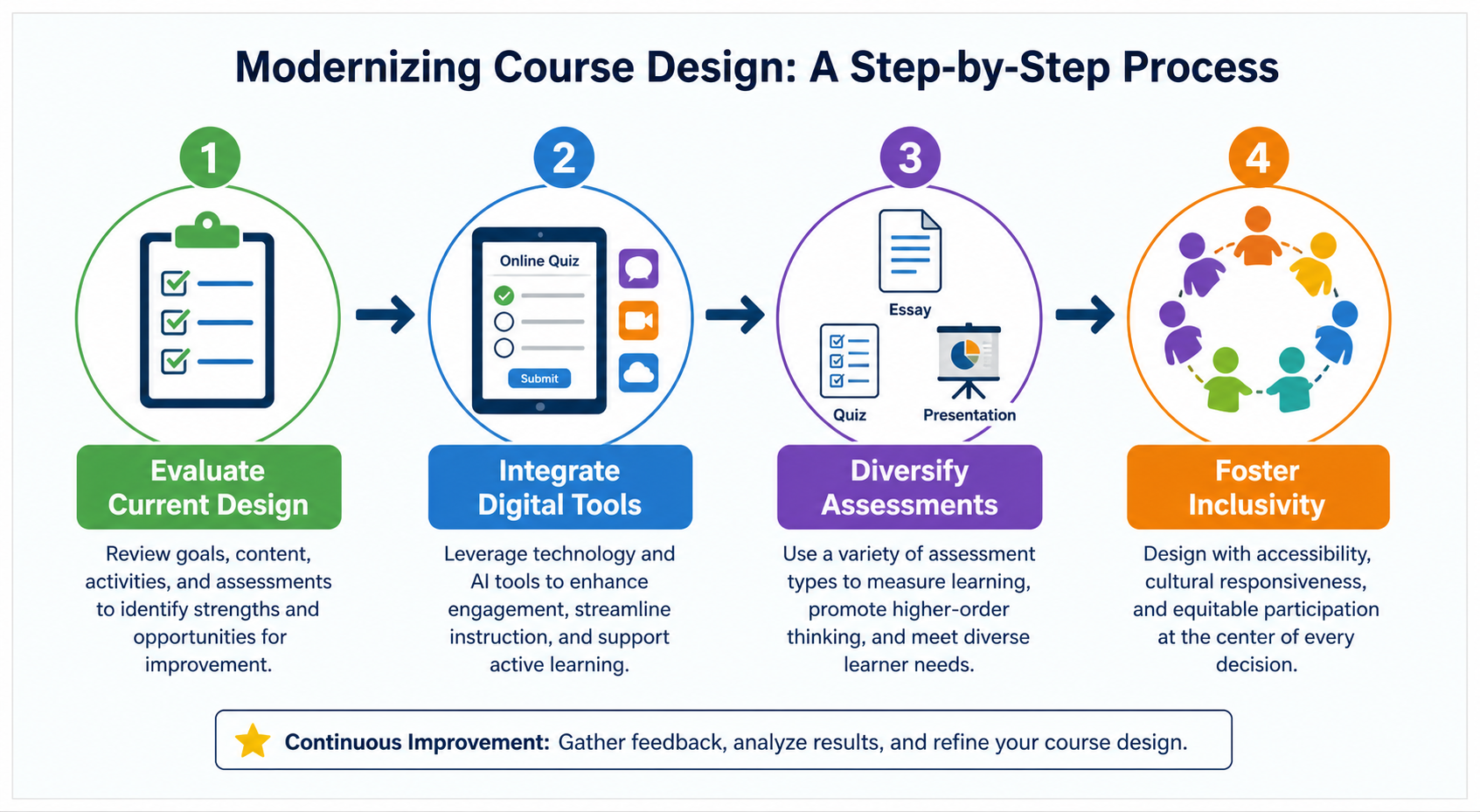
Modernizing course design involves integrating digital platforms and varied assessment methods. This approach supports diverse learning needs and fosters a more inclusive educational environment. Utilizing platforms such as MyLab Business Communication can streamline processes and offer personalized learning experiences.
Key Takeaways
- Identifying and addressing teaching mistakes can significantly improve course outcomes.
- Interactive tools and technologies increase student engagement and reduce errors.
- Modern course designs create dynamic learning environments suited for today’s students.
- Reflective practices and student feedback are critical for continuous improvement.
Glossary of Key Terms
- Interactive Learning: Educational experiences that actively involve students in the learning process.
- Pedagogical Techniques: Methods and strategies used in teaching to enhance learning.
- Project-Based Learning: A teaching method in which students learn by actively engaging in real-world projects.
- Reflective Practice: The process of continually analyzing and improving one’s teaching approach.
- Student-Centric Classroom: A learning environment focused on the needs and experiences of students.
Related Questions
- What are some strategies to modernize outdated teaching methods?
- How can technology transform traditional classroom settings?
- What role does Business Communication Today play in modern course design?
- How can instructors measure the effectiveness of new teaching strategies?
- What are the best tools for engaging a diverse group of students?
Call to Action
Explore the transformative potential of integrating contemporary teaching resources and strategies into your curriculum. Business Communication Today, 16th Edition is a valuable tool for any instructor aiming to evolve their teaching practices. Discover how it can support you in creating an innovative and responsive learning environment that benefits both educators and students.
References
Bovee, C. L., & Thill, J. V. (2026). Business Communication Today (16th ed.). Pearson.
Smith, J. (2023). Strategies for Effective Teaching. EdTech Journal. https://www.edtechjournal.com/strategies-for-effective-teaching
Johnson, L. (2022). Modernizing Courses for the Digital Age. Educational Insights. https://www.educationalinsights.com/modernizing-courses
Williams, A. (2024). Interactive Learning Techniques and Their Benefits. Journal of Education. https://doi.org/10.1177/00111287211050552
Lee, M. (2023). Teaching Innovation in Higher Education. Academic Press. https://www.academicpress.com/teaching-innovation
© 2026 Business Communication Teaching and Learning Center. All rights reserved.