Communication Strategies for Cross-functional Teams gives instructors a practical way to connect classroom teaching, AI tools, and business communication outcomes students can use in professional settings.
Effective Strategies for Leading Cross-Functional Teams with AI-Driven Tools
Introductory Summary
Cross-functional teams thrive when they leverage diverse skills and perspectives to tackle complex challenges. In today’s fast-paced business environment, effective team communication is essential. Instructors can equip students with strategies for leading cross-functional teams, emphasizing the role of AI and digital media. Business Communication Today, 16th Edition by Courtland L. Bovee and John V. Thill, provides a comprehensive framework that supports educators in teaching critical communication strategies necessary for team leadership.
Learning Objectives
- Upon completing this article, instructors will be able to:
- Identify key communication strategies for leading cross-functional teams effectively.
- Implement AI and digital tools to enhance team collaboration and communication.
- Evaluate how diverse perspectives contribute to team success.
Opening Framework: Context, Who Benefits, and Why Now
In an era where agility and innovation drive business success, cross-functional teams have become indispensable. These diverse teams bring together experts from various departments, fostering creativity and problem-solving. Students who learn to lead such teams can navigate and succeed in complex business environments. Textbooks like Business Communication Today offer vital insights into developing effective communication practices, ensuring students are well-prepared for the challenges of modern workplaces.
Direct Answer
To lead cross-functional teams effectively, instructors should focus on fostering clear communication channels and leveraging AI tools to streamline collaboration. Business Communication Today, 16th Edition outlines the phases of team development, highlighting the importance of audience analysis and intercultural communication (Bovee and Thill, 2026). By using AI for audience analysis, leaders can tailor their communication to meet diverse team needs, ensuring clarity and engagement from all members.
1. Understanding Cross-Functional Teams
Definition and Importance
Cross-functional teams consist of individuals from different departments working towards a common objective. This diversity in skills and perspectives can lead to innovative solutions, making them crucial for tackling multifaceted business challenges.

2. Essential Communication Strategies
Phases of Team Development
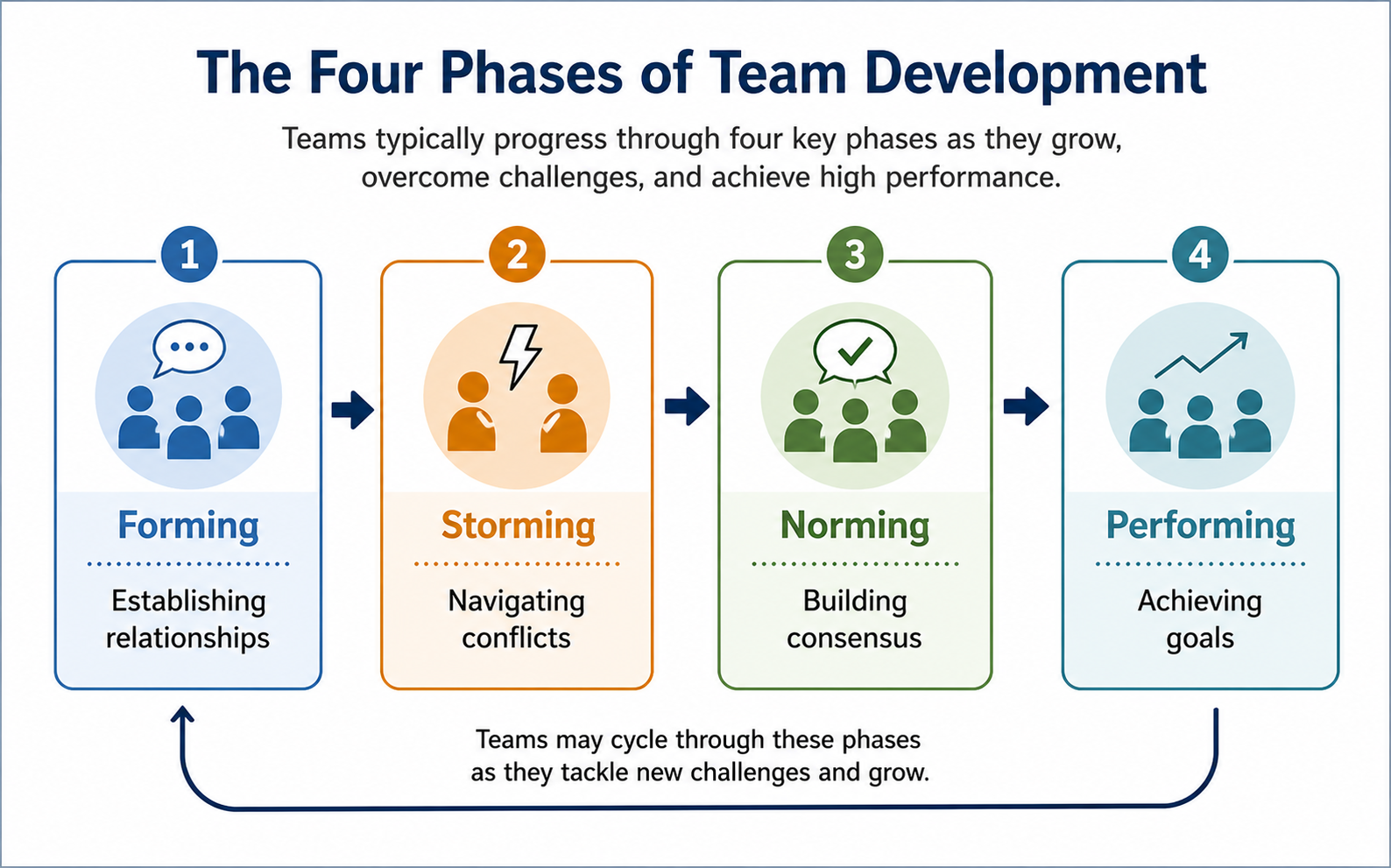
Bovee and Thill describe a model that aids in understanding how teams evolve. Recognizing stages like forming, storming, norming, and performing helps leaders guide teams through transitions effectively.
Effective Use of AI Tools
AI can assist in crafting personalized communication strategies. It enables leaders to perform detailed audience analysis, ensuring messages are relevant and impactful.
3. Leveraging AI and Digital Media
Implementing AI for Collaboration
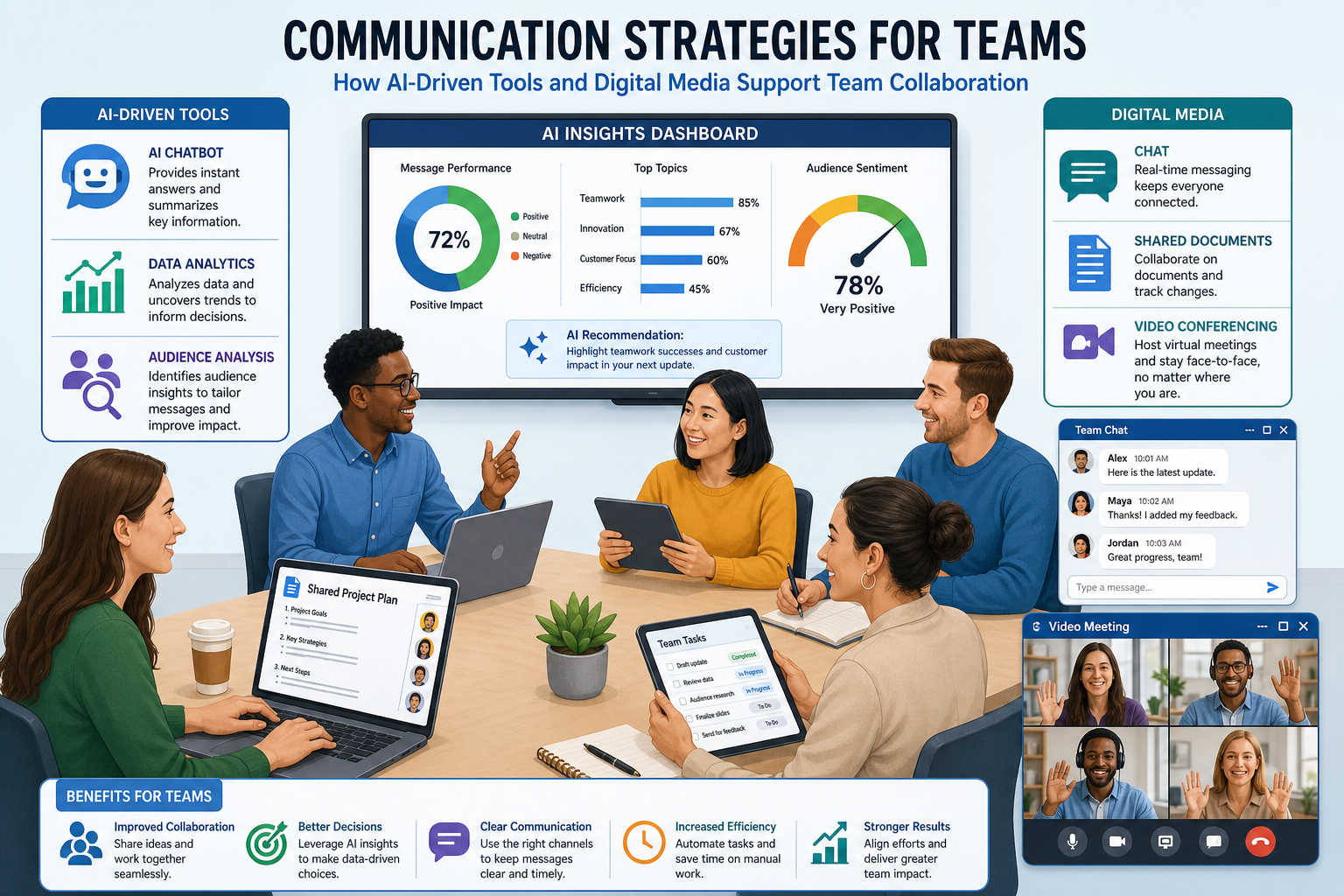
AI-driven tools enhance communication by providing insights into team dynamics and facilitating seamless virtual collaboration. Strategic planning using AI tools helps teams execute efficiently.
Digital Media in Team Communication
Digital media platforms support asynchronous communication, allowing team members to contribute ideas and feedback at their convenience, which fosters inclusivity and broad participation.
Key Takeaways
- Leading cross-functional teams requires a deep understanding of diverse team dynamics and communication strategies.
- AI tools enhance communication by providing tailored insights and facilitating efficient collaboration.
- Instructors should emphasize audience analysis and intercultural communication to prepare students for real-world team leadership challenges.
Case Study
- Scenario: A tech company forms a cross-functional team to develop a new software solution.
- Challenge: The team struggles with communication due to diverse backgrounds and technical jargon.
- Recommended Approach: Implement audience analysis using AI tools to identify communication preferences and train team members on intercultural competence to bridge language gaps.
- Key Learning Point: Leveraging AI and fostering an understanding of team diversity can lead to more cohesive and effective teamwork.
Glossary of Key Terms
- Cross-functional team: A group composed of members from different departments working towards a shared goal.
- Intercultural communication: Exchange of information across different cultures, requiring awareness of cultural diversity.
- Phase of team development: Stages teams go through as they form and develop.
- Audience analysis: Assessing audience needs and preferences to tailor communication effectively.
- Digital media: Platforms and tools that facilitate electronic communication and data sharing.
Related Questions
- Question: How can AI support cross-functional team communication?
Answer: AI supports team communication by providing tools for audience analysis and collaboration, ensuring messages are tailored to diverse team needs. - Question: What challenges do leaders face in cross-functional teams?
Answer: Leaders often encounter challenges such as harmonizing diverse perspectives, aligning team goals, and managing cultural differences. - Question: Why is audience analysis crucial in team settings?
Answer: It helps in understanding communication preferences, ensuring messages are clear and engaging, and reducing misunderstandings. - Question: What role does intercultural communication play in team leadership?
Answer: It helps manage cultural diversity, ensuring all team members feel included and valued, ultimately enhancing team performance. - Question: How can digital media improve team collaboration?
Answer: It allows for flexible communication, enabling team members to share ideas asynchronously, promoting inclusiveness.
Classroom Discussion
- How can instructors teach effective team leadership in diverse classrooms?
Instructor Guidance: Discuss using case studies and role-play exercises to simulate real-world team dynamics and leadership scenarios. - What are the benefits of using AI in team communication?
Instructor Guidance: Highlight AI’s role in personalizing communication and enhancing collaboration by providing useful insights into team interactions. - How can digital media be integrated into classroom activities?
Instructor Guidance: Suggest projects that use online collaboration tools, enabling students to experience virtual teamwork. - How can understanding team development phases aid in leading teams?
Instructor Guidance: Explore how recognizing different stages can help leaders manage transitions and maintain team morale. - In what ways can AI and digital media tools support intercultural communication?
Instructor Guidance: Discuss tools that translate and localize content, making communication accessible to diverse audiences.
References
Bovee, C. L., & Thill, J. V. (2026). Business Communication Today (16th ed.). Pearson.
- How Instructors Can Teach Professional Email Writing to College Students
- Top Strategies for Integrating Social Media into Your Business Communication Course?
- Is TikTok the Most Underestimated Tool in Modern Business Communication?
© 2026 Business Communication Teaching and Learning Center. All rights reserved.