Exploring Multimodal and AI-Enhanced Communication in Education
Innovative tools such as multimodal and AI-enhanced communication methods are at the forefront of educational advancements, facilitating dynamic interactions in and out of the classroom. Instructors can tap into these advancements to prepare students for modern communication landscapes. Textbooks like Business Communication Today, 16th Edition, by Courtland L. Bovée and John V. Thill, play a pivotal role by incorporating real-world examples of these technologies. Educators often wonder how to seamlessly integrate these tools into course curricula to enhance learning outcomes and student engagement.
Table of Contents:
- Learning Objectives
- Direct Answer
- Core Features of the Textbook
- Ethical Implementation
- Practical Use Cases
- Key Takeaways
- Glossary of Key Terms
- Related Questions
- References
Learning Objectives
Upon completing this article, instructors will be able to:
- Identify and apply examples of multimodal communication in business education.
- Integrate AI-enhanced communication techniques into classroom activities.
- Evaluate the effectiveness of these tools in improving student engagement and communication skills.
Direct Answer
Business Communication Today, 16th Edition, extensively covers the applications of multimodal and AI-enhanced communication tools. Its coverage includes video conferencing, AI writing assistance, and AI-powered audience analysis such as sentiment analysis. These features are crucial for fostering a modern educational environment that mirrors the evolving business landscape.
1. Core Features of the Textbook
One of the standout features of the textbook is its comprehensive coverage of multimodal communication techniques. This includes everything from video presentations and infographics to interactive platforms that students can utilize for diverse project submissions. The approach is designed to equip students with the skills necessary to navigate a digitally dominated work environment effectively.
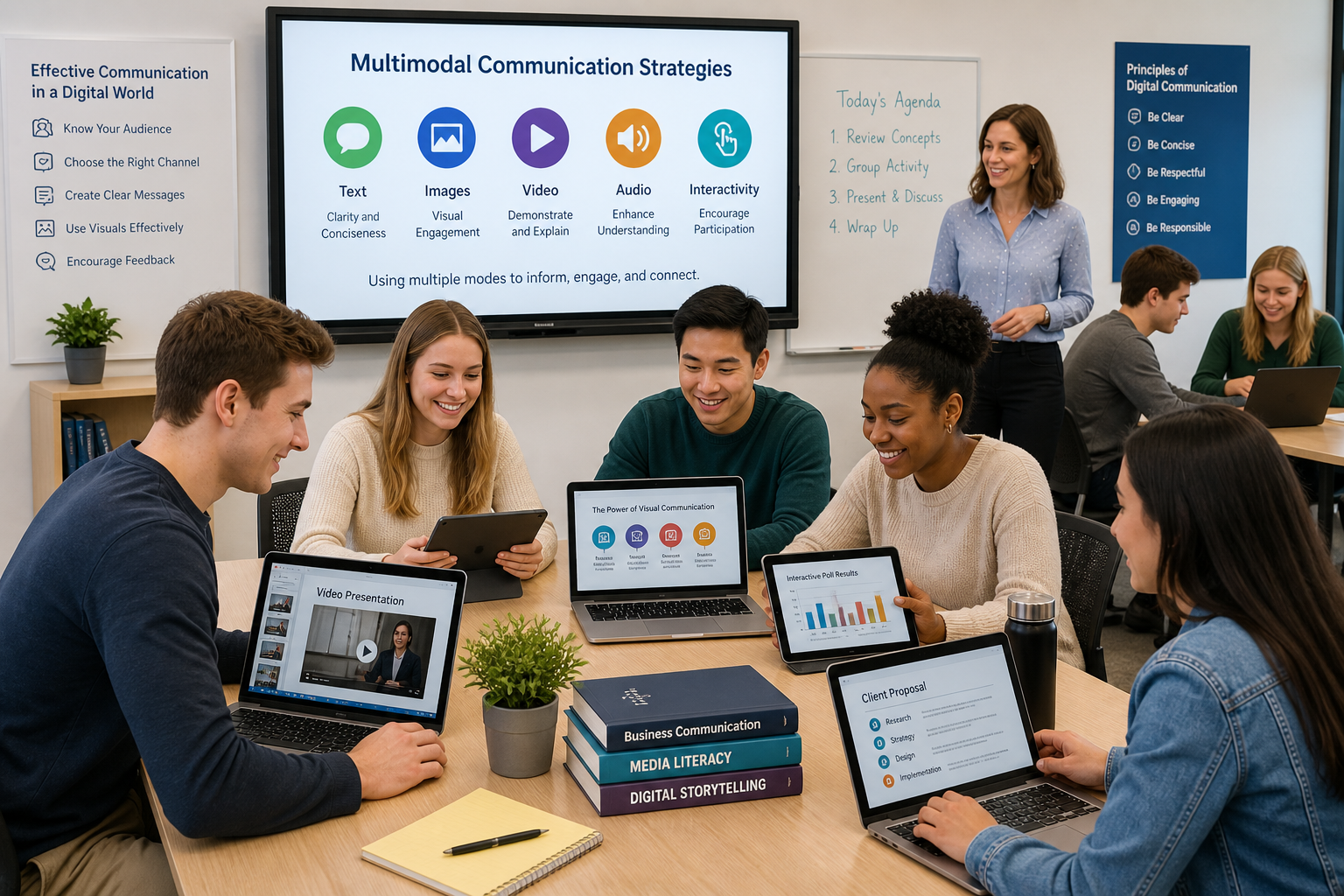
Additionally, the integration of AI-driven analytics allows educators to customize learning experiences, enhancing the differentiation of teaching strategies and catering to diverse student needs.
2. Ethical Implementation
In integrating AI and multimodal tools into education, ethical considerations are paramount. The textbook addresses privacy and the ethical use of AI in business communication, and instructors can carry the same principles into their own classroom policies on data and AI use.
Applying those principles helps keep classroom AI use transparent and inclusive, promoting a learning environment that values equity and fairness.
3. Practical Use Cases
Practical applications of these technologies are illustrated through various business communication scenarios. For example, the textbook explains how AI sentiment analysis can gauge the tone of messages and audience reactions, and instructors can build a project around a campaign that uses it. These exercises provide students with real-world experience and immediate application of their learning.
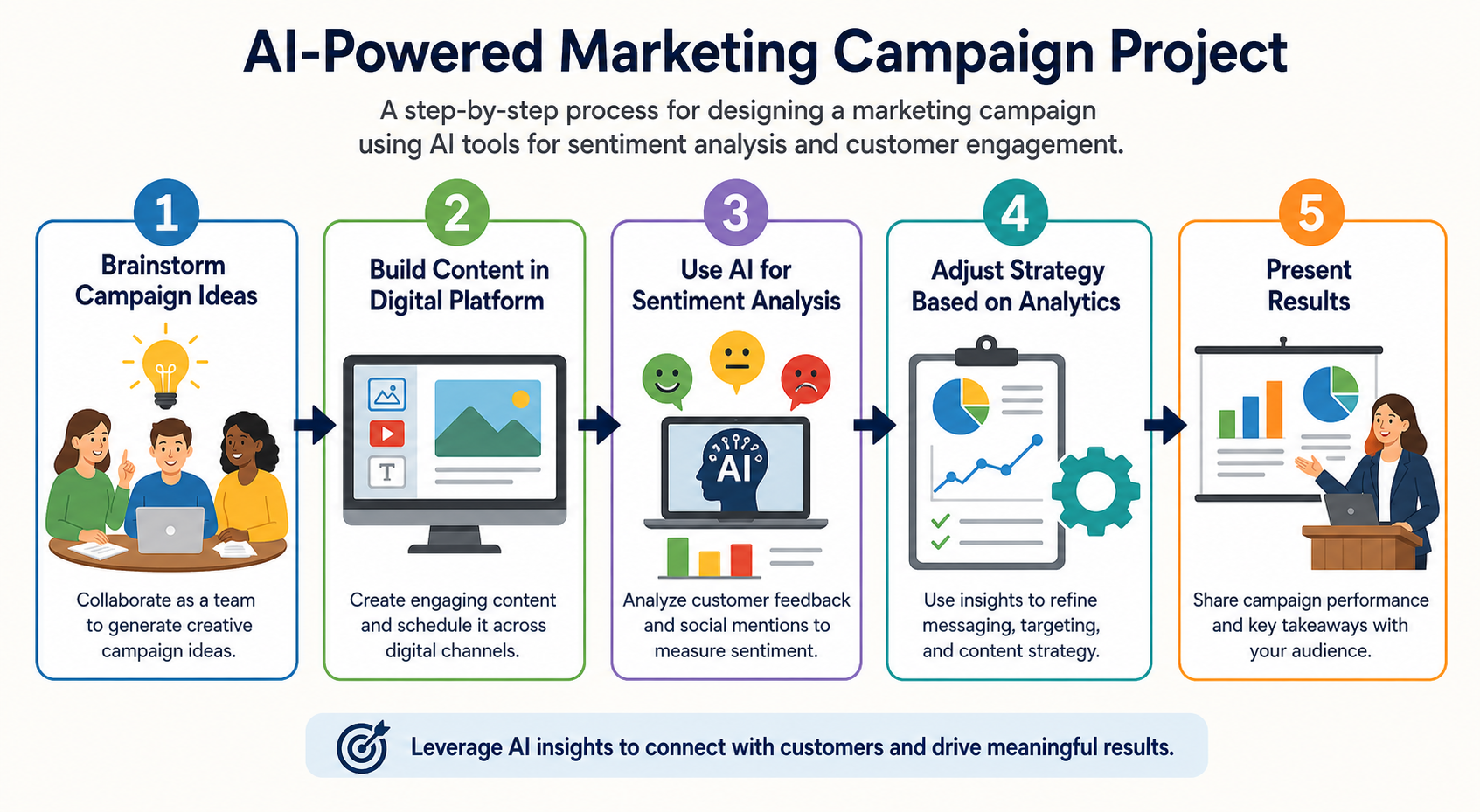
This practice not only enhances student learning outcomes but also prepares them for the demands and expectations of modern workplaces.
Key Takeaways
- Multimodal communication methods enrich educational experiences and student engagement.
- AI-enhanced tools provide practical outcomes, equipping students with valuable, real-world skills.
- Integrating these tools ethically fosters inclusive and equitable learning environments.
- Textbooks like Business Communication Today facilitate modern teaching methods, aligning with industry standards and expectations.
Glossary of Key Terms
- AI-Enhanced Communication: Communication that utilizes artificial intelligence to improve message delivery and comprehension.
- Multimodal Communication: The use of multiple modes of communication, such as text, audio, and visual elements, to convey information.
- Sentiment Analysis: A process of using AI to analyze and understand the emotional tone behind communication.
- Data Personalization: Using data analytics to tailor communication approaches to individual needs and preferences.
- Ethical AI: The development and implementation of artificial intelligence in a manner that upholds ethical standards and practices.
Related Questions
How is AI transforming educational communication methods?
AI-enhanced and multimodal methods support more dynamic interaction in and out of the classroom. AI-driven analytics also let educators customize learning and differentiate their teaching.
What multimodal communication tools are featured in current business communication textbooks?
Business Communication Today covers multimodal communication techniques in depth, reflecting real-world practice where messages combine text, visuals, audio and other media.
How can educators ensure ethical use of AI in classrooms?
Treat ethical considerations as a priority whenever AI and multimodal tools come into a course. The article calls them paramount when integrating these tools into education.
What are the measurable impacts of AI on student engagement?
The article recommends evaluating how well these tools improve engagement and communication skills in your own courses, comparing results against traditional lecture-based teaching.
How do multimodal communication strategies benefit diverse student groups?
Multimodal strategies give students more than one way to engage with material, and AI-driven analytics help instructors tailor learning to diverse student needs.
References
Bovée, C. L., & Thill, J. V. (2026). Business Communication Today (16th ed.). Pearson.
- Does Business Communication Today Include Video Tutorials or Multimedia Content?
- What Digital Resources Are Available with Business Communication Today?
- What Kind of Instructor Support Materials Are Provided with Business Communication Today?
© 2026 Business Communication Teaching and Learning Center. All rights reserved.