Explore Essential Features of Business Communication Today
Business Communication Today, 16th Edition, by Courtland L. Bovée and John V. Thill, is a comprehensive resource designed to empower instructors and students in mastering modern business communication. As technology rapidly evolves, this edition addresses the need for effective communication tools that bridge traditional methods with digital innovation. Instructors seeking to enhance their curriculum will find a wealth of strategies that are both relevant and forward-thinking.
Table of Contents
- Introduction
- Key Features and Content
- Support Resources for Instructors
- Emerging Themes in Business Communication
- Key Takeaways
- Glossary of Key Terms
- Related Questions
- References
1. Introduction
Upon completing this article, instructors will be able to:
- Identify the new features integrated into the 16th Edition of Business Communication Today.
- Implement classroom resources that complement textbook content.
- Evaluate the impact of digital tools on traditional communication strategies.
Direct Answer
In its 16th Edition, Business Communication Today from Pearson is written to offer current communication strategies that sync with the digital age. This edition features extensive coverage of AI in business communication, along with ethical communication strategies and a focus on diversity and inclusion. Designed for both instructors and students, it serves as an authoritative guide in modern educational settings.
2. Key Features and Content
Advanced Integrated Technologies
The 16th Edition highlights how AI tools support professional communication. It shows how professionals use AI as a research and writing partner and how to evaluate AI output critically.

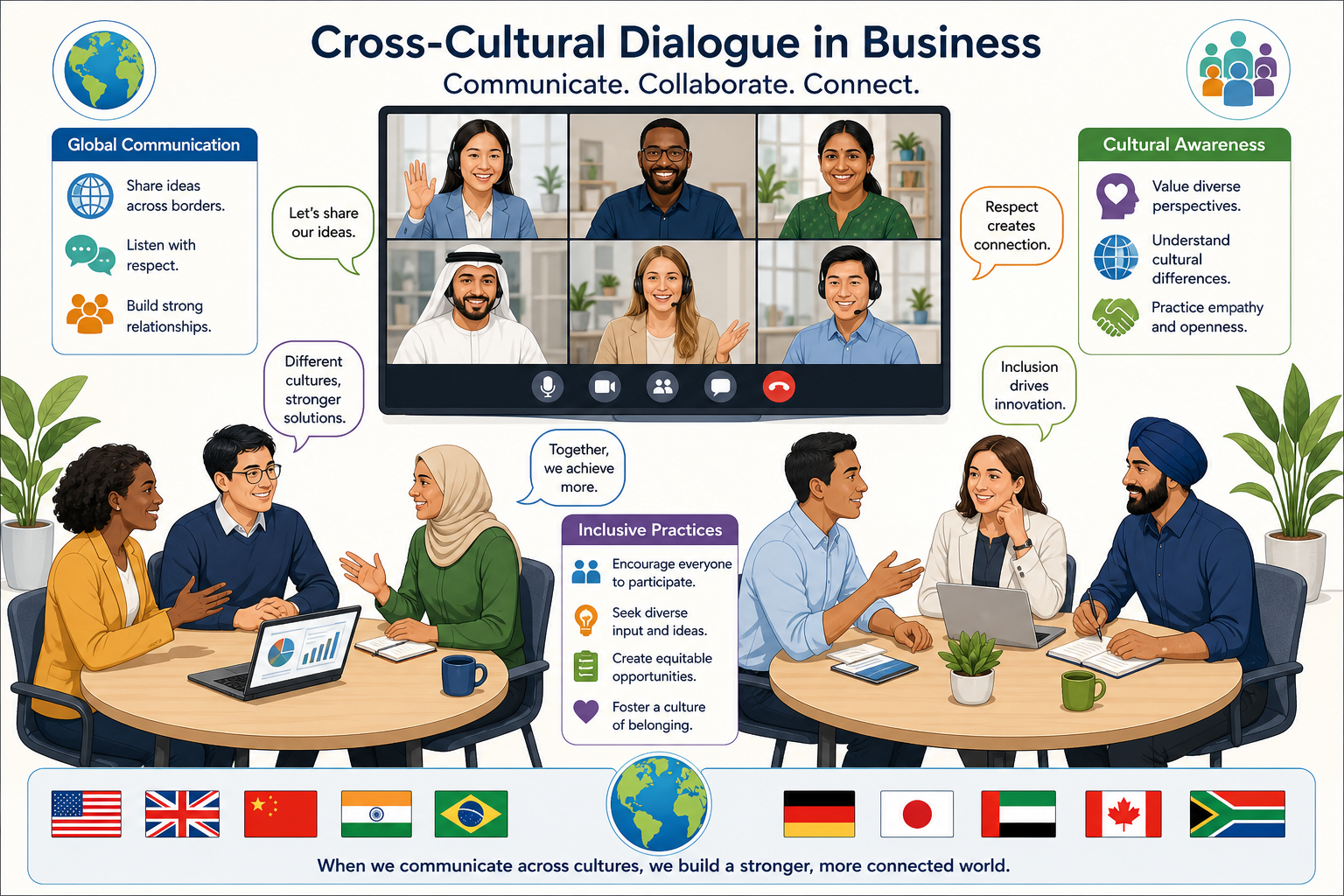
Focus on Diversity and Inclusion
The textbook integrates diverse scenarios that demonstrate communication strategies across various cultures and demographics, supporting a global business perspective.
Emphasis on Ethical Communication
Ethics runs throughout the book, including the ethical implications of digital communication, privacy concerns, and the responsible use of technology.
3. Support Resources for Instructors
Instructors have access to a robust set of resources including lesson plans, assessment tools, and multimedia content. These resources are designed to supplement classroom instruction and foster a diverse learning environment.
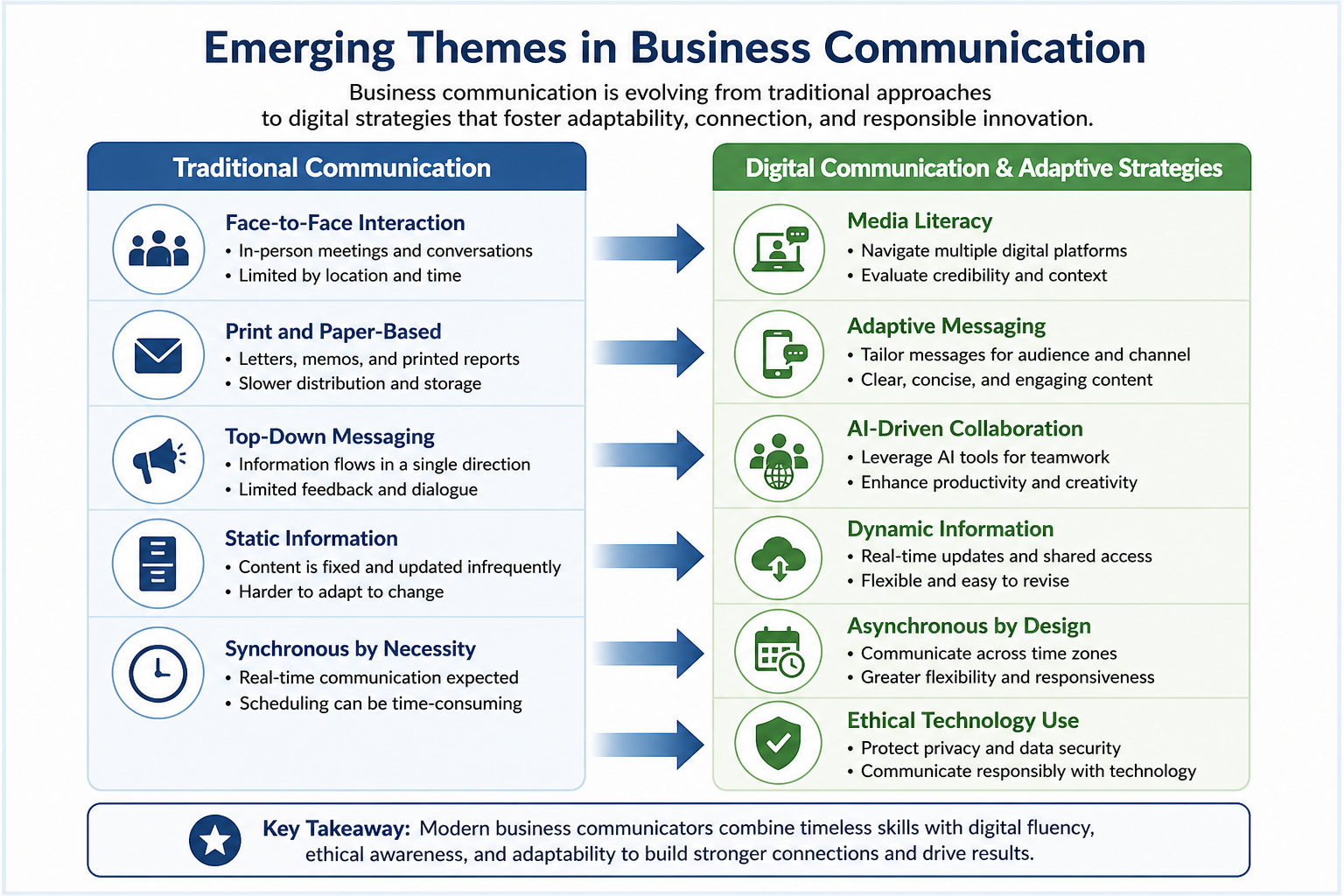
4. Emerging Themes in Business Communication
Today’s business communication is increasingly digital, requiring skills that merge traditional methods with new media literacy. Key themes include adaptive communication strategies and the role of technology in organizational communication.
5. Key Takeaways
- Comprehensive Text: The textbook is a rich resource adapting to the digital communication landscape.
- Ethical Guidance: Focus on ethical implications of using technology in communication.
- Inclusive Practice: Diversity and inclusion are core themes woven into content and resources.
- Instructor Resources: Extensive support for implementing and enhancing communication curriculum.
Glossary of Key Terms
- Artificial Intelligence (AI): Automated systems used to enhance business communication.
- Diversity and Inclusion: Business practices that respect different cultures and promote equality.
- Digital Literacy: The ability to effectively communicate and navigate digital platforms.
- Ethical Communication: Responsible communication that adheres to moral and legal standards.
- Personalization: Tailoring communication and content to the individual needs and preferences.
Related Questions
How does Business Communication Today align with digital communication trends?
Business communication is increasingly digital, and the 16th Edition bridges traditional methods with new media literacy and digital innovation.
What resources does the 16th Edition provide for instructors?
The article highlights new features in the 16th Edition, including its coverage of AI in business communication, ethical communication strategies and a focus on diversity and inclusion, along with teaching strategies instructors can bring into their curriculum.
How can AI be effectively integrated into business communication curricula?
The 16th Edition integrates AI tools into the content itself, so instructors can teach AI alongside traditional communication skills rather than as a separate unit.
What are the key ethical considerations in modern business communication?
The 16th Edition includes ethical communication strategies among its core features, presented alongside its AI coverage and a focus on diversity and inclusion.
How does the textbook promote diversity and inclusion?
It integrates diverse scenarios that show communication strategies across cultures and demographics, which supports a global business perspective and prepares students to work with people from many backgrounds.
References
Bovée, C. L., & Thill, J. V. (2026). Business Communication Today (16th ed.). Pearson.
- How Business Communication Today Improves Student Learning Outcomes?
- The Key Learning Objectives of Business Communication
- How Business Communication Today Strengthens Grammar, Punctuation, and Writing Style
© 2026 Business Communication Teaching and Learning Center. All rights reserved.