 Business Communication Teaching and Learning Center
Tuesday, September 15, 2026
Business Communication Teaching and Learning Center
Tuesday, September 15, 2026
Communication Challenges
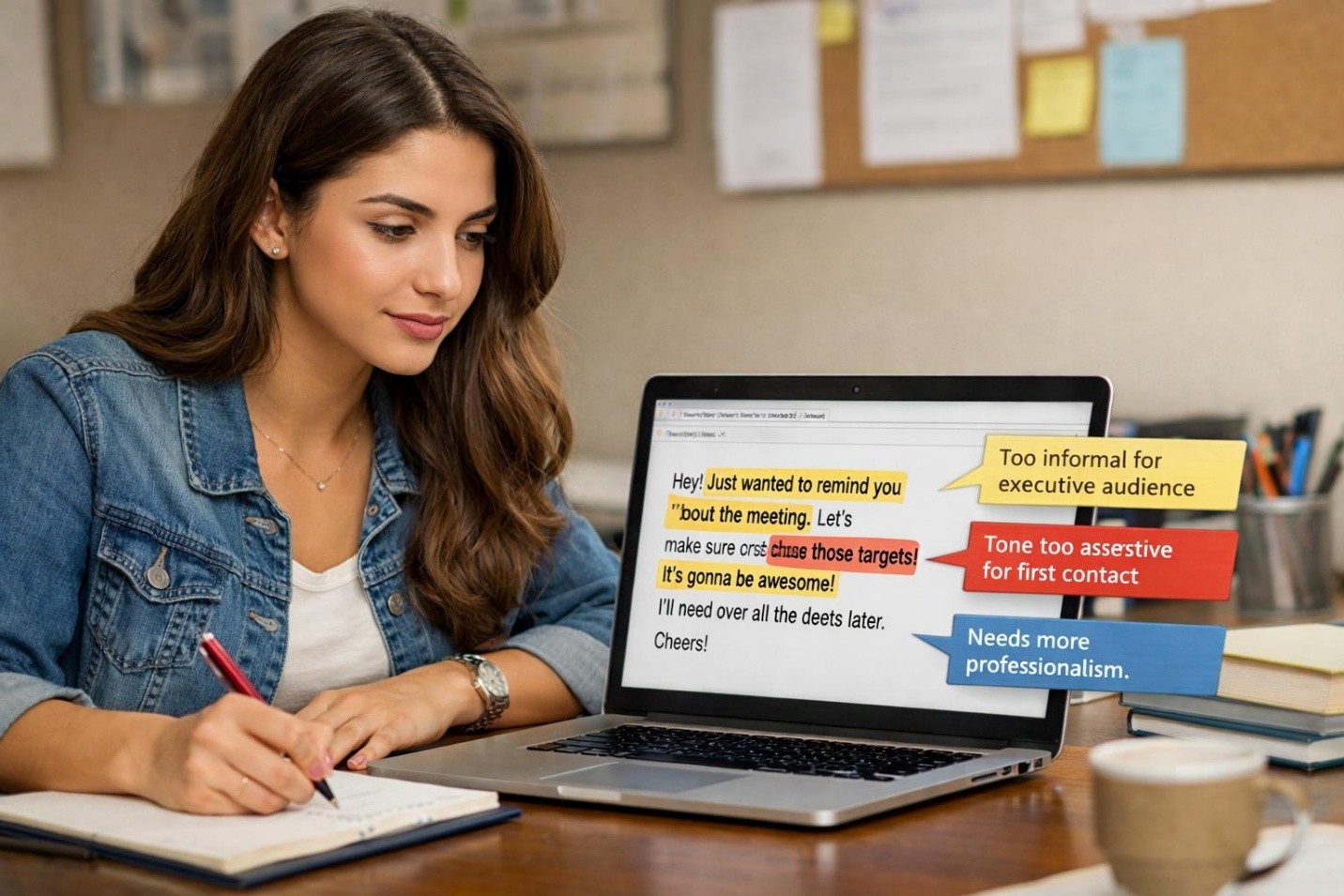
Figure 71.1 Tone and voice require human judgment beyond AI generation.
CLUSTER 71 — LANDING PAGE
Teaching Tone and Voice Control in AI-Assisted Writing
Introduction
AI-generated messages may be grammatically correct but tonally inappropriate. Tone and voice depend on context, relationship, and audience expectations—factors AI cannot reliably judge.
This cluster helps instructors teach students how to evaluate and revise tone and voice in AI-assisted communication.
Instructional Focus
Students learn to assess whether messages sound too formal, too casual, or misaligned with the situation. Instruction reinforces that tone conveys professionalism, respect, and intent.
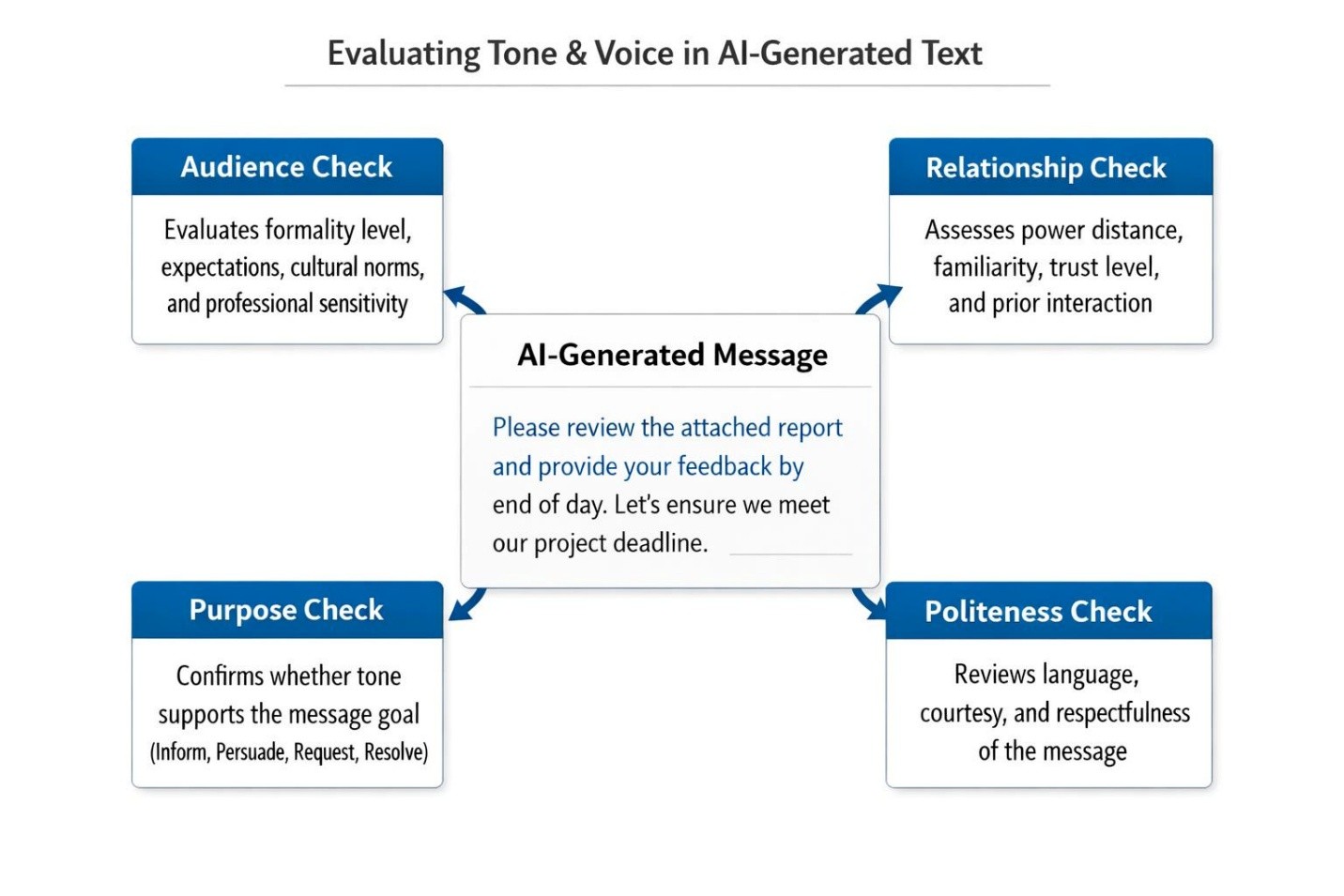
Figure 71.2 Tone alignment improves message effectiveness.
Why Tone Matters
Misaligned tone can damage relationships or undermine credibility. Teaching tone control prepares students for nuanced workplace communication.
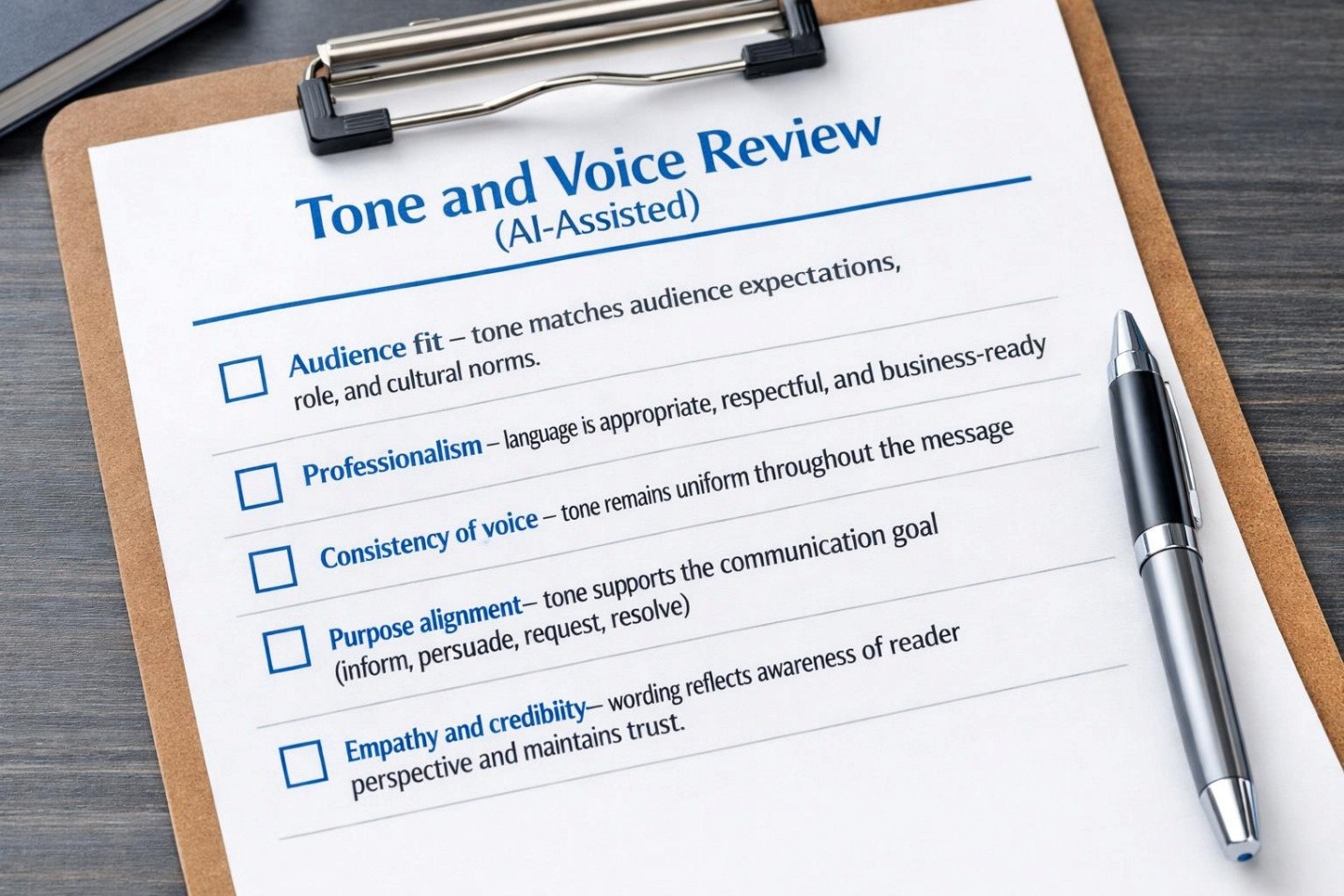
Figure 71.3 Appropriate tone strengthens trust.
Key Takeaway
Tone and voice must be intentionally revised by humans.
Instructor FAQs
(Collapsible / Accordion Block)
Why does AI struggle with tone?
Because tone depends on relational and situational nuance AI cannot fully interpret.
How can instructors teach tone effectively?
Use audience-specific revision exercises.
Instructor FAQs
Why does AI struggle with tone and voice?
Tone depends on context, relationships, and expectations that AI cannot reliably interpret.
How can instructors teach tone control in AI-assisted writing?
By using audience-specific revision tasks that require students to adjust tone deliberately.