
Empowering Strategies to Support Anxious Students in Class
Engaging with anxious and apprehensive students requires strategic support that fosters confidence and learning without fear. This is particularly vital for educators who aim to nurture a healthy learning environment today. By leveraging insights from Business Communication Today, 16th Edition by Courtland L. Bovee and John V. Thill, educators can empower students to overcome their challenges and excel in academic and future career settings.
Introductory SummaryAnxiety in the classroom can hinder student performance and engagement. With mental health becoming a critical component of educational success, it’s imperative for educators to employ strategies that facilitate a supportive classroom atmosphere. Using techniques from Business Communication Today, instructors can assist students in managing anxiety, thus enhancing their learning experience and preparing them for career readiness.
Learning Objectives- Upon completing this article, instructors will be able to:
- Identify effective strategies to support anxious students in educational settings.
- Implement communication techniques that reduce fear and encourage participation.
- Evaluate classroom interventions designed to enhance student well-being.
- Design inclusive programs that consider diverse student needs.
Educational institutions face increasing demands to address student mental health, making support for anxious students a pressing need. By employing empathetic communication and tailored strategies, educators can create inclusive learning environments. Business Communication Today provides essential frameworks that guide educators in implementing these strategies effectively.
Direct Answer SectionTo support anxious and apprehensive students effectively, educators should establish a positive and inclusive environment, employ empathetic communication, and utilize structured support systems. Incorporating insights from Business Communication Today, instructors can foster a classroom atmosphere conducive to learning, assisting students in overcoming anxiety without feeling overwhelmed. This comprehensive approach has proven to enhance student engagement and success.
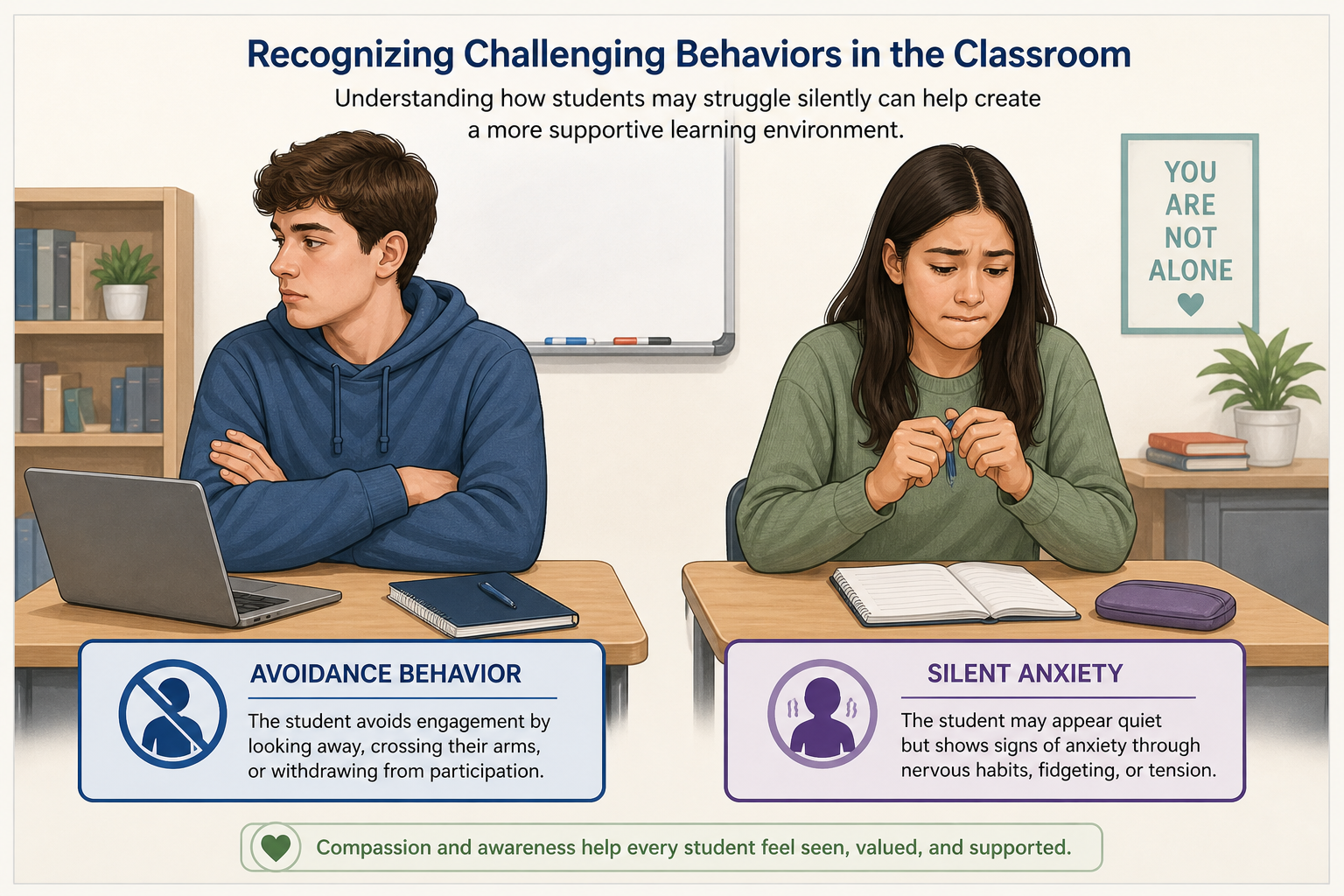
1. Understanding Student AnxietyRecognizing the different forms of anxiety that students experience is crucial. Some may exhibit avoidance behavior, while others might struggle silently. Identifying these signs early helps educators tailor their responses effectively. According to the National Institute of Mental Health, approximately 25% of adolescents experience anxiety, highlighting the need for targeted support interventions.
A supportive classroom environment is foundational for addressing student anxiety. Educators should focus on building trusting relationships, offering consistent encouragement, and establishing a sense of belonging among students. Utilizing group activities and team-based projects encourages students from diverse backgrounds to collaborate and support each other, mitigating feelings of isolation and fear.

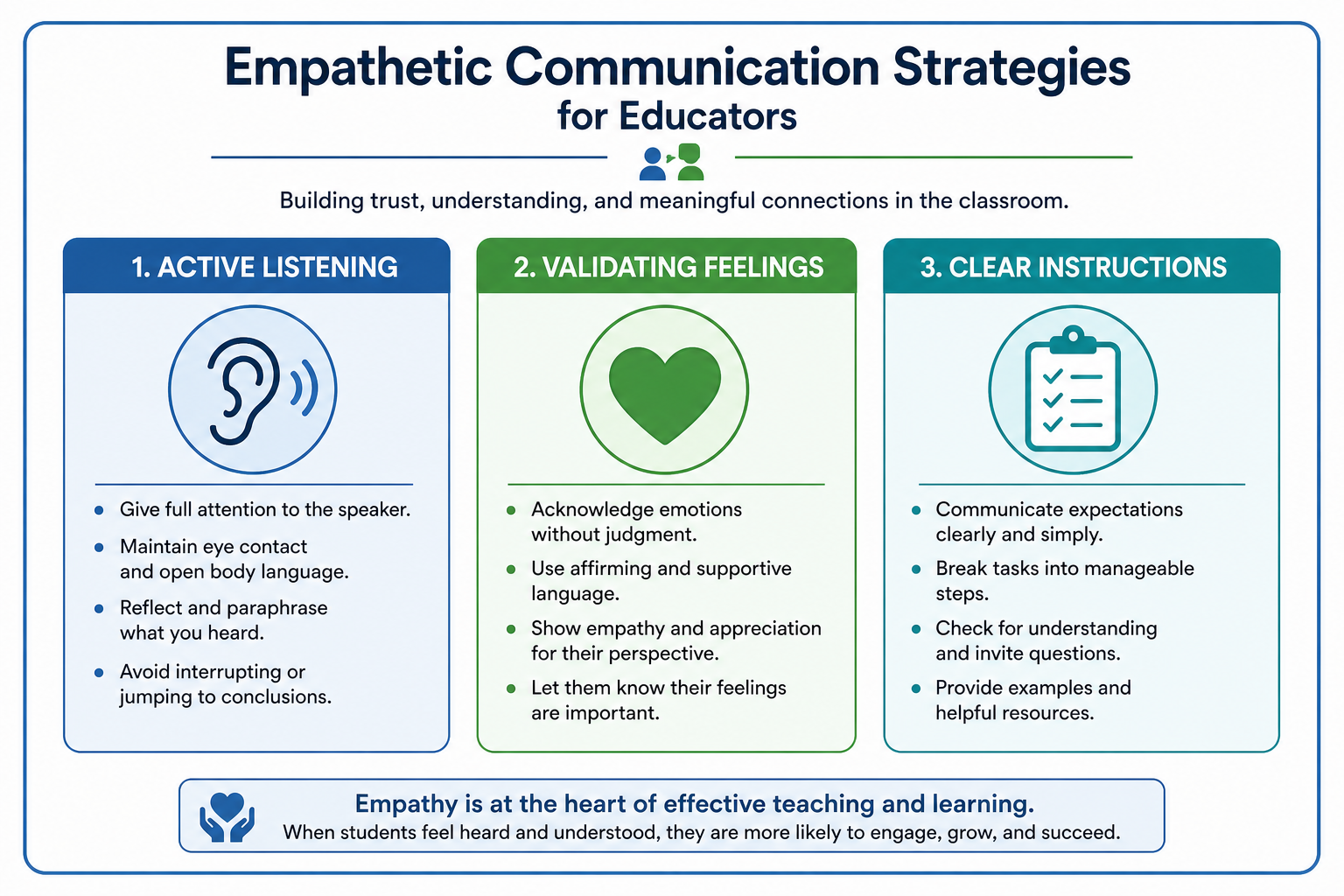
Empathetic communication involves active listening and validating students’ feelings, which can significantly reduce anxiety. Educators should practice open dialogue and provide clear instructions, particularly for assignments and classroom tasks. This approach not only enhances understanding but also builds confidence in students struggling with anxiety.
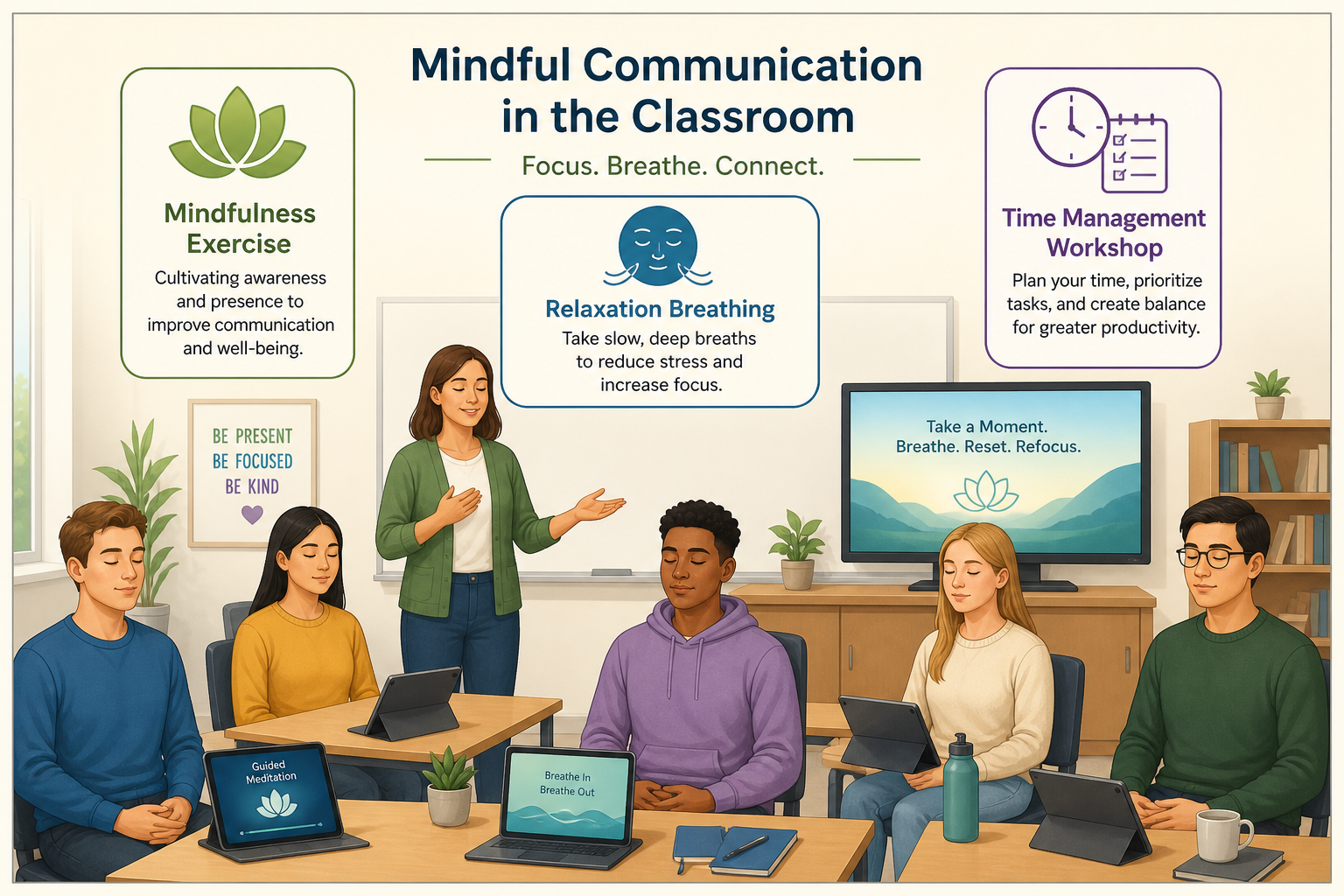
Practical interventions such as relaxation techniques, mindfulness exercises, and time management workshops can support anxious students. Teachers can integrate short meditation sessions into their class routine or provide workshops on coping strategies during challenging periods like exams. Studies show that mindfulness can reduce anxiety by up to 60% when practiced regularly.
- A supportive and empathetic environment significantly reduces student anxiety.
- Incorporating inclusive communication strategies can enhance student engagement.
- Mindfulness and relaxation techniques are effective in managing classroom anxiety.
- Early recognition of anxiety signs enables appropriate and timely interventions.
Glossary of Key Terms
- Anxiety: A feeling of worry or fear, often without a clear cause, that can be overwhelming.
- Empathy: The ability to understand and share the feelings of another person.
- Mindfulness: A mental state achieved by focusing on the present moment, while calmly acknowledging feelings and thoughts.
- Inclusive Environment: A setting where all individuals feel respected, supported, and valued.
- Active Listening: Fully concentrating, understanding, and responding thoughtfully during communication.
Related Questions
- How can educators identify early signs of student anxiety?
- What role does communication play in reducing classroom anxiety?
- Which interventions are most effective for anxious students?
- How can mindfulness be integrated into a busy classroom schedule?
- What are the benefits of creating an inclusive classroom environment?
Bovee, C. L., & Thill, J. V. (2026). Business Communication Today (16th ed.). Pearson.
National Institute of Mental Health. (2020). Anxiety disorders.
Mindfulness Research Monthly. (2020). Mindfulness practices show reduction in anxiety levels. Mindfulness Journal.
Smith, J. (2023). Effective classroom management for anxious students. Educational Leadership Journal.
American Psychological Association. (2022). Empathy in education.
© 2026 Business Communication Teaching and Learning Center. All rights reserved.