 Business Communication Teaching and Learning Center
Monday, September 14, 2026
Business Communication Teaching and Learning Center
Monday, September 14, 2026
Industry Connection

Figure 57.1 Logical flow must be deliberately imposed on AI-generated writing.
CLUSTER 57 — LANDING PAGE
Teaching Logical Flow and Coherence in AI-Assisted Writing
Introduction
AI-generated writing often appears fluent while lacking clear logic. Ideas may be present but poorly sequenced, weakly connected, or misaligned with reader expectations. In professional communication, coherence determines whether a message is understood quickly and accurately.
This cluster helps instructors teach students how to impose logical structure and flow on AI-assisted drafts.
Instructional Focus
Instruction emphasizes sequencing ideas, grouping related points, and using transitions intentionally. AI drafts frequently jump between topics or repeat ideas without hierarchy. Teaching coherence reinforces reader-centered communication and document-level clarity.
Students learn that strong writing guides readers step by step.
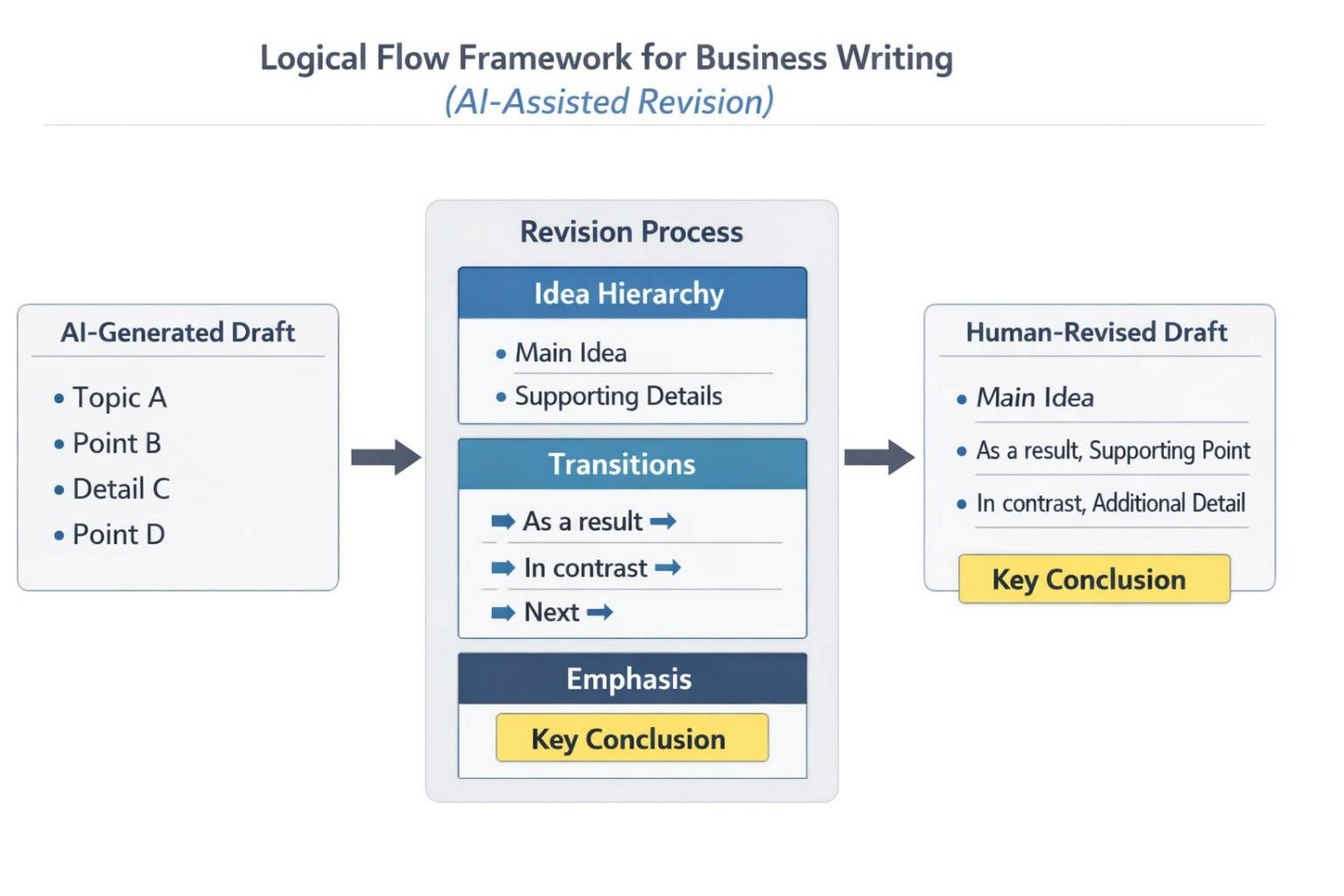
Figure 57.2 Coherent structure improves comprehension and credibility.
Consequences of Poor Flow
Messages with weak coherence confuse readers, slow decision-making, and increase the risk of misinterpretation. Teaching logical flow ensures AI-generated content becomes usable, not just readable.
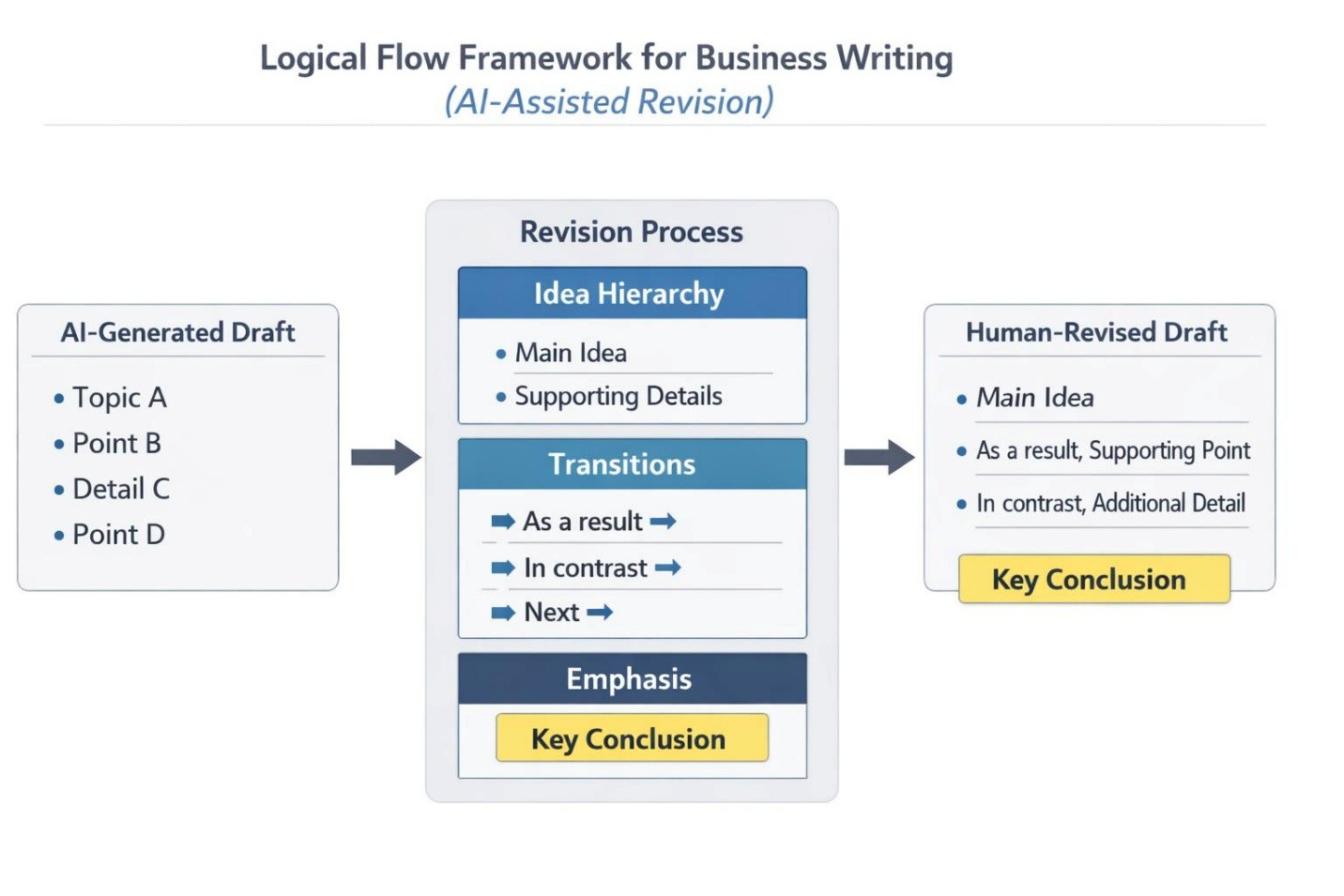
Figure 57.3 Logical flow strengthens professional credibility.
Key Takeaway
Fluency is not the same as coherence.
Instructor FAQs
(Collapsible / Accordion Block)
Why do AI-generated drafts often lack logical flow?
Because AI prioritizes sentence-level fluency rather than reader navigation and idea hierarchy.
How can instructors quickly assess coherence?
Ask whether a reader could easily summarize the message’s logic after one read-through.