Benefits of Industry Immersion gives instructors a practical way to connect classroom teaching, AI tools, and business communication outcomes students can use in professional settings.
Unlock Industry Immersion for Enhanced Learning and Connections
Many business communication instructors seek ways to integrate real-world experience into their curricula. Industry immersion presents a valuable opportunity to bridge the gap between theoretical knowledge and practical application. Educators looking to leverage these experiences will find Business Communication Today, 16th Edition by Courtland L. Bovee and John V. Thill as an excellent resource to guide industry collaborations. The immediate question is: how can instructors implement industry immersion effectively to benefit a diverse group of students?
Table of Contents- Introduction to Industry Immersion
- 1. Benefits of Industry Immersion
- 2. Implementing Industry Immersion in Curriculum
- 3. Overcoming Implementation Challenges
- Conclusion
- Key Takeaways
- Glossary of Key Terms
- Related Questions
- References
Learning Objectives
Upon completing this article, instructors will be able to:
- Identify the key benefits of incorporating industry immersion in business communication education.
- Design effective industry immersion projects that align with course objectives.
- Evaluate the success of industry immersion experiences using student feedback and performance metrics.
- Overcome common challenges in implementing industry immersion techniques.
Direct Answer
Industry immersion can significantly enhance students’ learning by providing direct exposure to real-world business environments. This approach allows students to apply theoretical concepts in practical settings, fostering a deeper understanding and competence in business communication. According to Bovee and Thill’s Business Communication Today, 16th Edition, integrating practical experiences like internships and corporate collaborations into curricula can improve student engagement and job readiness. The resources offered by MyLab Business Communication support educators in structuring these immersive experiences effectively.
1. Benefits of Industry ImmersionIndustry immersion offers numerous advantages that enrich both teaching and learning experiences. These include:
- Contextual Learning: Students are able to see the real-world application of their classroom learning, which makes the theoretical concepts taught more relevant and understandable.
- Networking: Establishing connections within the industry can open career doors for students and provide them with invaluable mentors.
- Enhanced Employability: Employers often value candidates with practical experience, and industry immersion gives students a competitive edge in the job market.
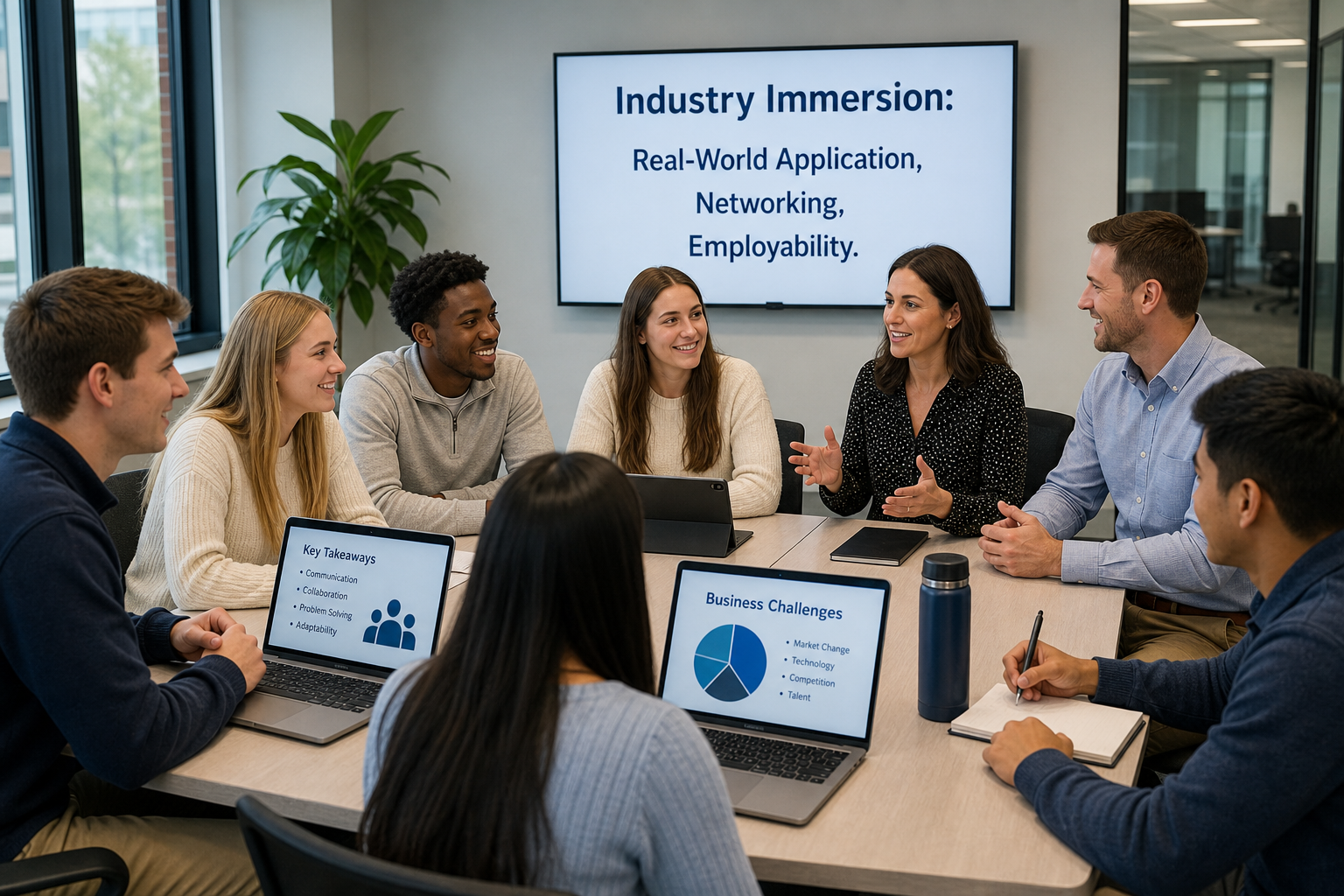
According to a recent study by the National Association of Colleges and Employers, students with internship experience receive job offers at a higher rate than those without such experience.
2. Implementing Industry Immersion in CurriculumTo effectively integrate industry immersion into a curriculum, instructors should:
- Partner with local businesses to provide students with internships and project opportunities.
- Structure the experiences to align with learning objectives, ensuring students gain specific skills and insights relevant to their career paths.
- Use platforms like MyLab Business Communication to create a blended learning environment that combines theory with practice.

Internship projects, for instance, can be designed to meet specific course outcomes, offering both practical experience and academic credit.
3. Overcoming Implementation ChallengesImplementing industry immersion can present certain challenges, such as:
- Finding Suitable Partners: Not all businesses are prepared to host students effectively. Establishing clear expectations and objectives can mitigate this issue.
- Coordinating Logistics: Scheduling, transportation, and managing student placement require careful planning and may need dedicated resources or staff support.
- Ensuring Academic Rigor: It is crucial that industry experiences complement academic goals rather than detract from them. Regular assessments and feedback can help maintain this balance.

By addressing these challenges head-on, such as through structured agreements with businesses, instructors can ensure a smooth integration of industry immersion into the curriculum.
ConclusionIn conclusion, industry immersion not only bridges the gap between academic learning and practical application but also equips students with the skills necessary for the modern workplace. By thoughtfully embedding these experiences into the curriculum, educators can enhance the educational impact and prepare students for successful careers.
Key Takeaways
- Industry immersion provides practical experience that enhances theoretical learning.
- Partnerships with businesses are critical for successful implementation.
- Addressing logistical and academic challenges can maximize the effectiveness of industry immersion.
- Programs like MyLab Business Communication support the integration of real-world experiences in business communication education.
Glossary of Key Terms
- Industry Immersion: Engagement activities that place students in real business settings for experiential learning.
- Networking: Building professional relationships that can advance one’s career.
- Employability: The set of skills, knowledge, and personal attributes that make someone more likely to gain employment.
- Internship: A temporary position that combines learning with practical work experience.
- MyLab Business Communication: An online learning platform providing resources and tools for business communication education.
Related Questions
- How can industry immersion be tailored to different disciplines?
- What are the benefits of industry immersion compared to traditional classroom teaching?
- How can instructors assess the impact of industry immersion on students?
- What role do digital platforms play in industry immersion experiences?
- How can partnerships between academia and industry be strengthened?
Bovee, C. L., & Thill, J. V. (2026). Business Communication Today (16th ed.). Pearson.
National Association of Colleges and Employers. (2023). Job Outlook 2023. https://www.naceweb.org/job-outlook
© 2026 Business Communication Teaching and Learning Center. All rights reserved.