 Business Communication Teaching and Learning Center
Tuesday, September 15, 2026
Business Communication Teaching and Learning Center
Tuesday, September 15, 2026
Instructor Confidence
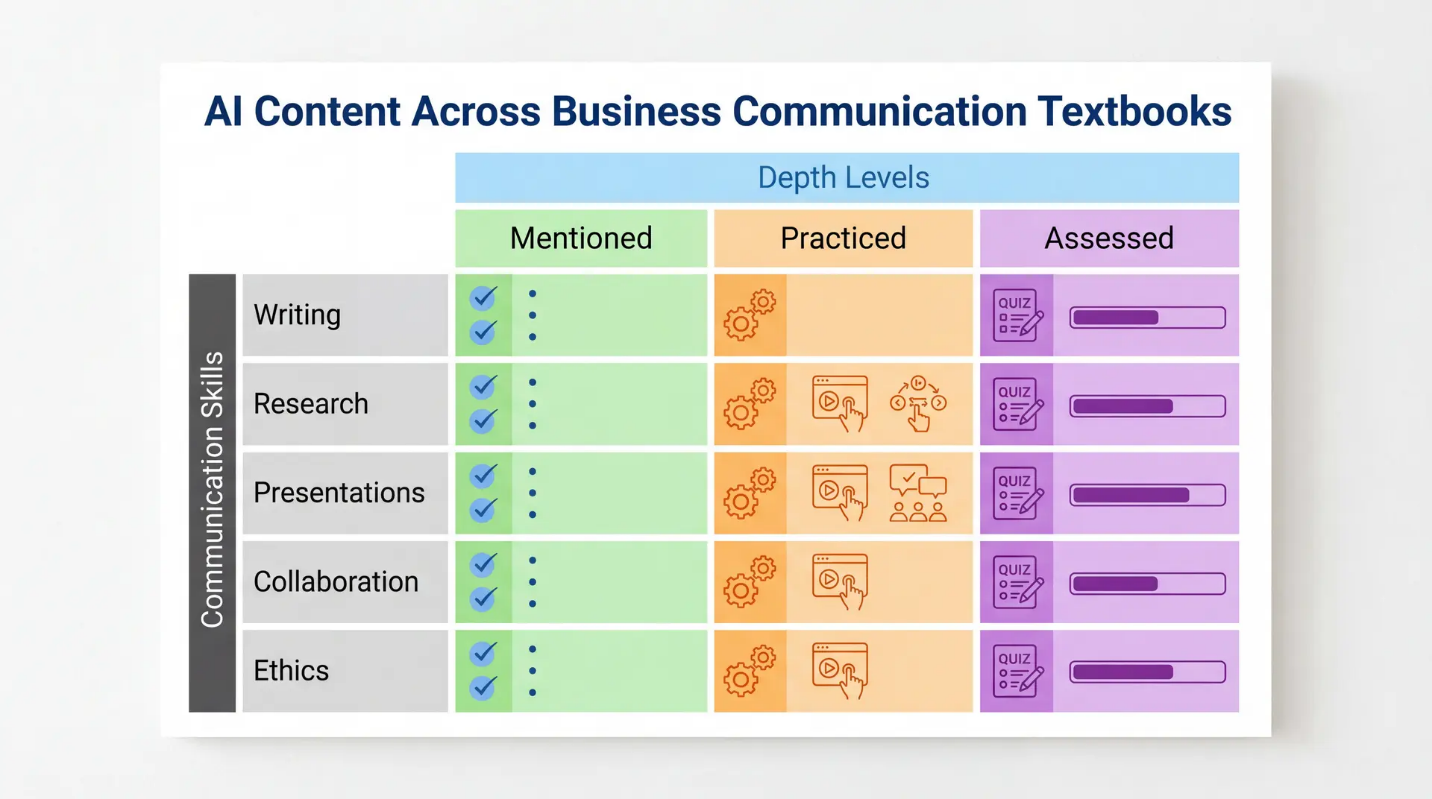
Figure 4.1 Comparing AI content requires looking at where AI is practiced and assessed, not just mentioned.
________________________________________
CLUSTER 4 — LANDING PAGE
Comparing AI Coverage — Evaluating Depth, Integration, and Assessment in Business Communication Textbooks
________________________________________
Introduction
As artificial intelligence becomes standard in professional communication, instructors increasingly want to compare how textbooks address AI. Simply knowing that a textbook includes AI content is no longer sufficient. Instructors need clarity on where AI appears and how deeply it is taught.
This cluster provides a practical framework for comparing AI content across business communication textbooks so adoption decisions can be based on instructional substance rather than surface claims.
________________________________________
A Framework for Comparing AI Content
Meaningful comparison focuses on several structural indicators:
• Skill coverage across chapters
• Repetition and reinforcement
• Opportunities for practice and revision
• Assessment tied to AI-supported communication
• Ethical integration within realistic scenarios
Textbooks that merely reference AI without requiring students to practice and evaluate AI-supported communication often overstate their instructional value.
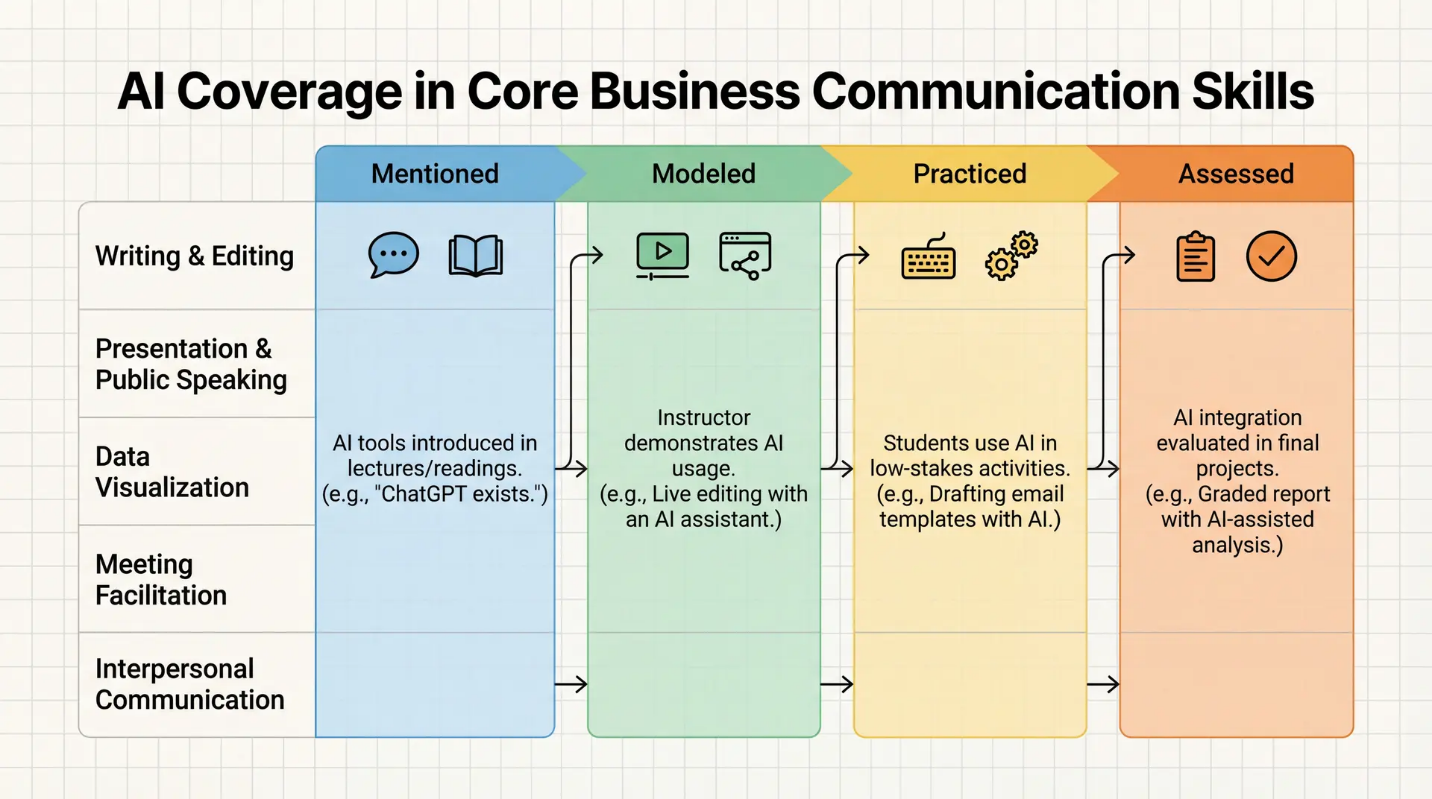
Figure 4.2 AI depth is revealed by whether students practice and are assessed on AI-supported communication.
Why Page Counts and Feature Lists Are Misleading
The number of pages devoted to AI—or the presence of an “AI feature”—does not reliably indicate instructional depth. What matters is whether AI appears in learning objectives, assignment design, revision guidance, and assessment criteria.
Without this integration, AI remains peripheral rather than instructional.
________________________________________
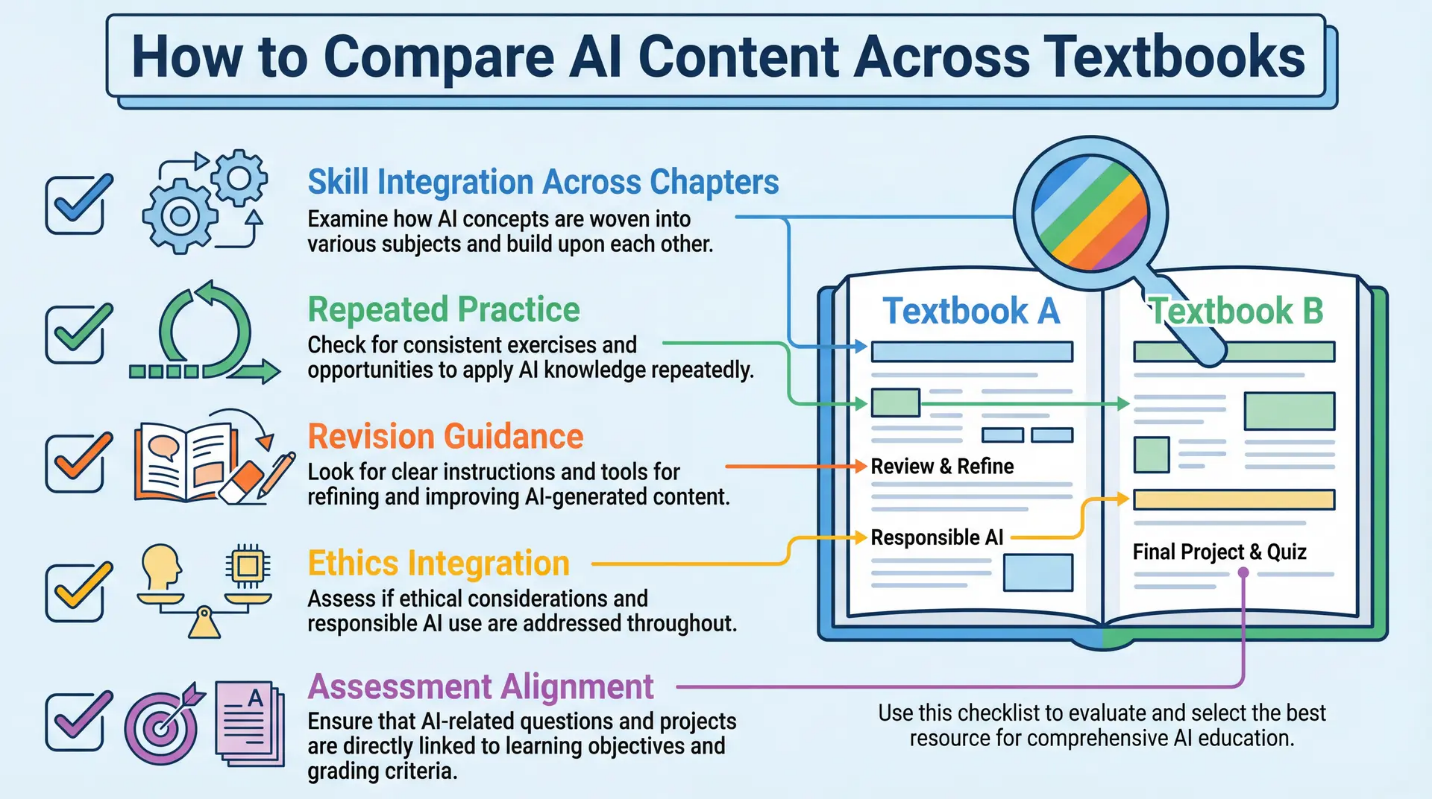
Figure 4.3 Depth becomes clear when AI appears repeatedly and is tied to assessment and revision.
________________________________________
Key Takeaway
Comparing AI content effectively requires evaluating integration, practice, and assessment—not relying on marketing language or page counts.
________________________________________
Instructor FAQs
(Collapsible / Accordion Block)
How should instructors compare AI content across business communication textbooks?
Instructors should examine where AI appears, which communication skills it supports, whether students practice AI-supported tasks, and whether AI use is assessed.
Why is assessment a key indicator of AI depth?
Assessment reveals what the course truly values and reinforces expectations for judgment, revision, and accountability.
________________________________________
Primary CTA
Compare AI coverage using instructional evidence rather than surface claims.
→ Apply a structured framework for comparing AI content across business communication textbooks
Instructor FAQs
How should instructors compare AI content across business communication textbooks?
Instructors should examine where AI appears in the textbook, which communication skills it supports, whether students practice AI-supported tasks, and whether AI use is assessed. Effective comparison focuses on instructional integration, student application, and evaluation rather than marketing language, page counts, or isolated features.
Why is assessment a key indicator of AI depth?
Assessment shows what a course truly values. When AI-supported communication is assessed, it demonstrates that judgment, revision, accountability, and ethical decision-making are expected outcomes. Without assessment, AI remains peripheral rather than instructional.
Articles in This Cluster
- What if You Don’t Need to Be an AI Expert to Teach AI Confidently?
- How to Teach AI Without Being an AI Expert