 Business Communication Teaching and Learning Center
Tuesday, September 15, 2026
Business Communication Teaching and Learning Center
Tuesday, September 15, 2026
Instructor Role Evolution
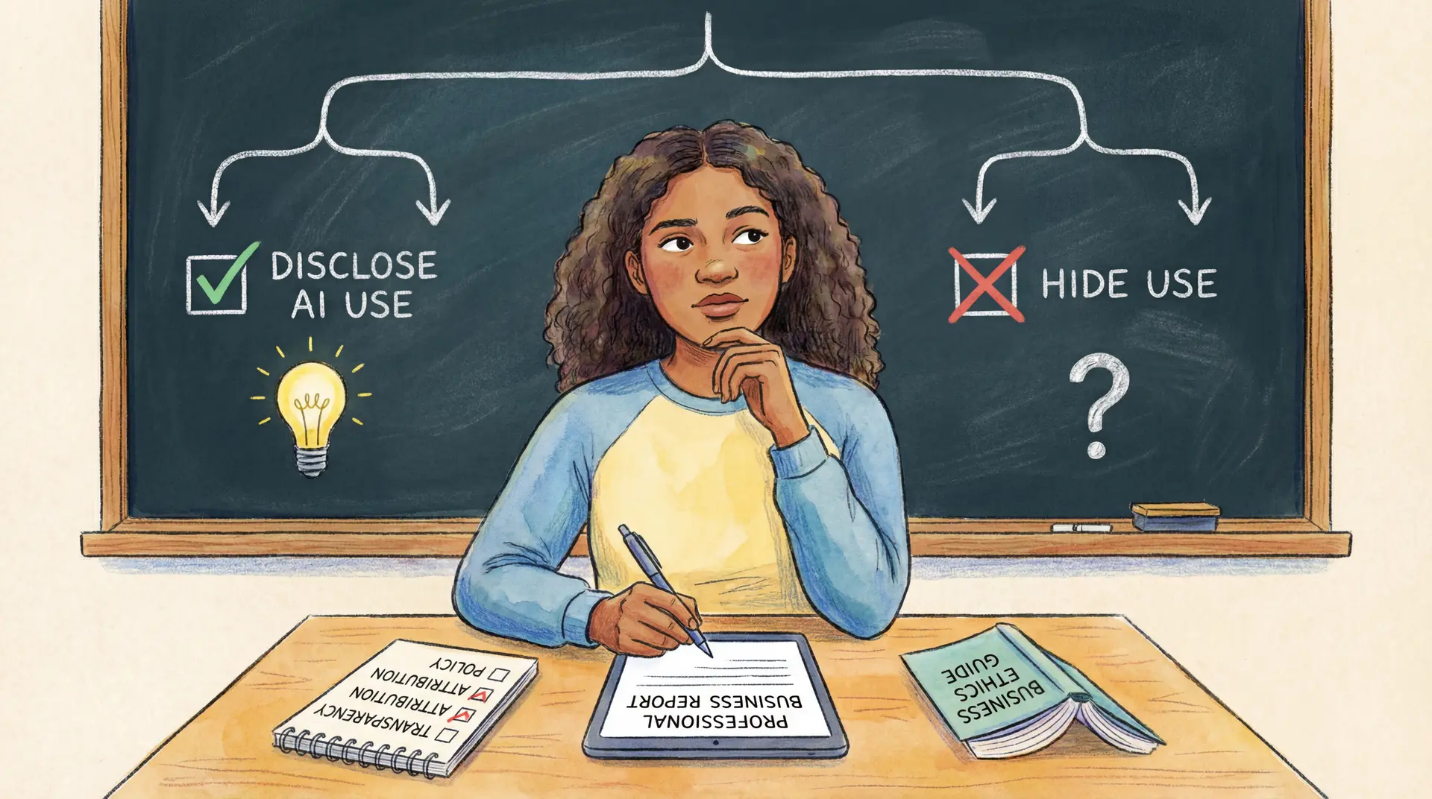
Figure 7.1 Ethical AI use in business communication requires judgment, transparency, and accountability.
CLUSTER 7 — LANDING PAGE
Evaluating AI Ethics Coverage in Business Communication Texts
Introduction
Ethical AI use is no longer optional in business communication. Students will be expected to use AI responsibly while maintaining transparency, accuracy, and professional accountability. Yet AI ethics coverage varies widely across textbooks.
This cluster helps instructors evaluate whether a textbook meaningfully integrates AI ethics into everyday communication instruction—or treats ethics as a standalone warning.
Ethics as a Communication Skill
Effective AI ethics instruction is embedded directly into communication tasks. Students learn to make ethical decisions when they:
- Draft and revise documents
- Conduct research and verify sources
- Collaborate with others using AI tools
- Decide when disclosure is required
Ethics becomes part of professional judgment, not an abstract concept.
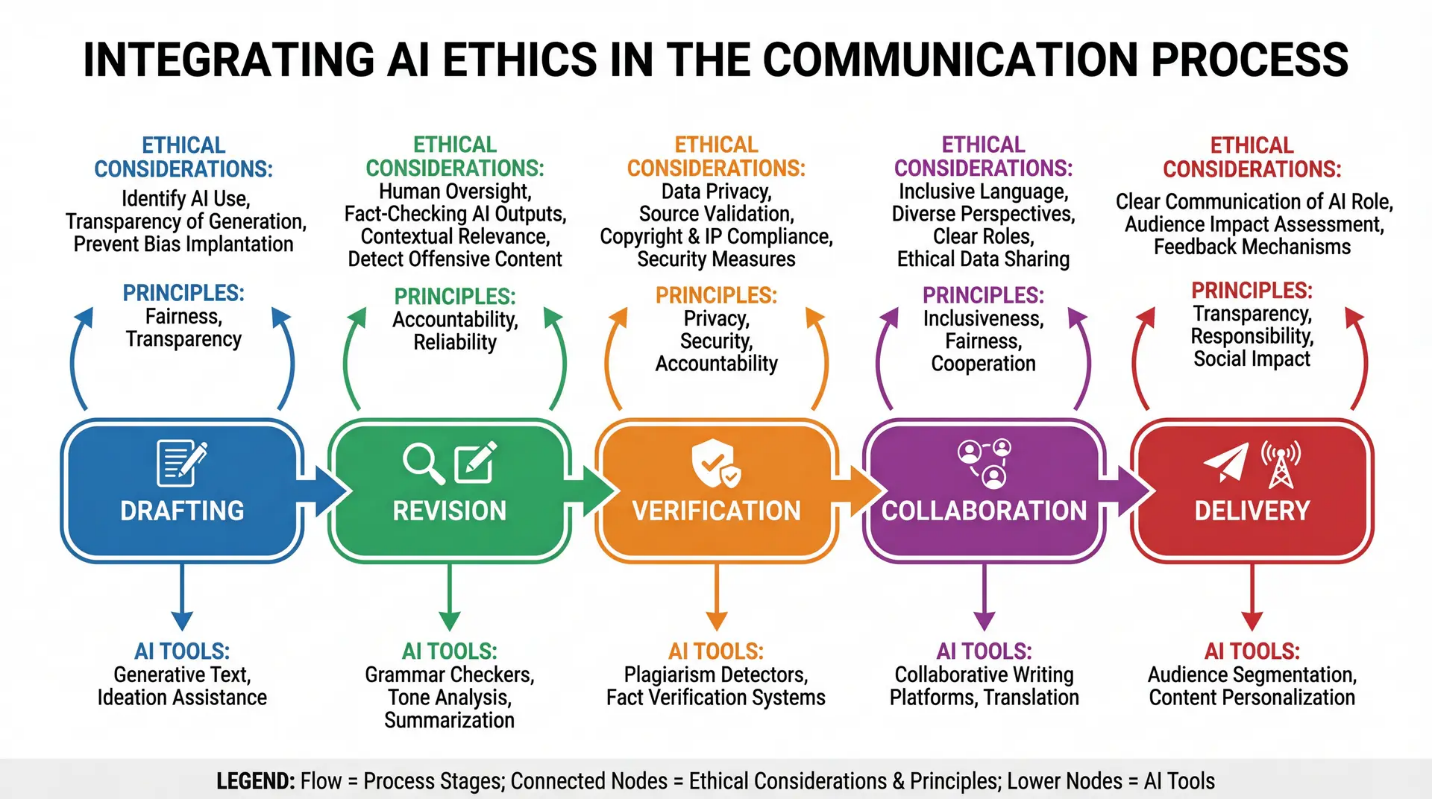
Figure 7.2 Ethical decision-making should be embedded across the communication workflow, not isolated.
Alt Text
Framework showing AI ethics integrated throughout the business communication process.
Common Gaps in AI Ethics Coverage
Ethics coverage is often weak when it:
- Appears only in policy statements
- Lacks realistic scenarios
- Is not connected to assessment
- Avoids discussion of disclosure and accountability
These gaps leave instructors to fill in critical guidance themselves.
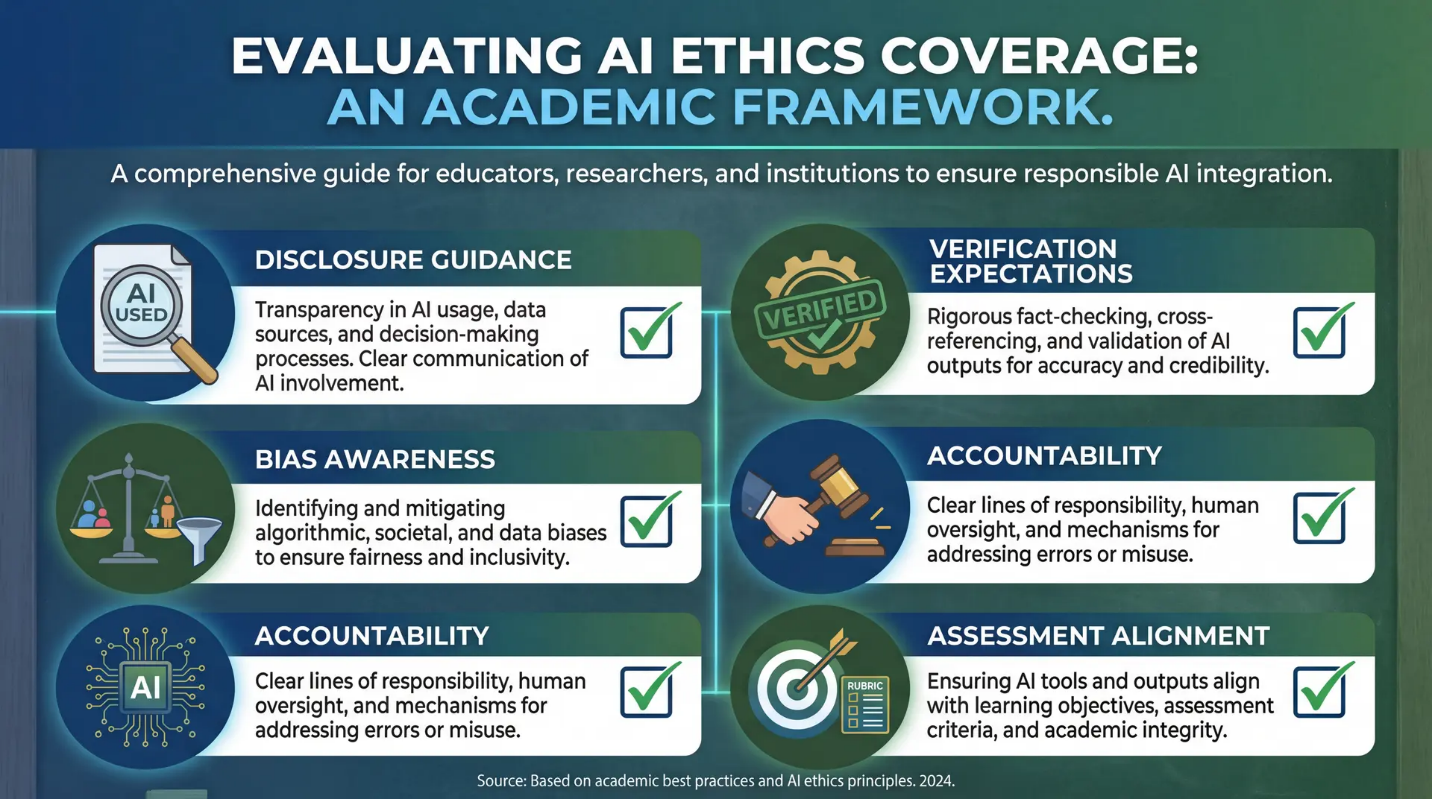
Figure 7.3 Ethics coverage is meaningful only when it is practiced and assessed.
Key Takeaway
AI ethics should be taught as a communication skill practiced throughout the course—not as a single policy reminder.
Instructor FAQs
(Collapsible)
Why should AI ethics be embedded in communication tasks?
Because ethical decisions occur during everyday writing, research, and collaboration—not separately from them.
How can instructors quickly assess AI ethics coverage?
Look for scenarios, revision guidance, disclosure expectations, and assessment criteria tied to ethical judgment.
Primary CTA
Ensure ethics instruction supports real professional decisions.
→ Evaluate how AI ethics is embedded across communication tasks
Instructor FAQs
Why should AI ethics be embedded in business communication instruction?
Ethical decisions occur during everyday communication tasks such as drafting, revising, researching, and collaborating. Embedding ethics helps students practice judgment where it actually matters.
How can instructors evaluate AI ethics coverage quickly?
Instructors should look for disclosure guidance, verification steps, bias awareness, realistic scenarios, and assessment criteria that evaluate ethical responsibility.
Articles in This Cluster
- How Is AI Redefining the Business Communication Instructor’s Role?
- How Will Understanding AI Shape the Future of Business Communication Instruction