 Business Communication Teaching and Learning Center
Friday, July 31, 2026
Business Communication Teaching and Learning Center
Friday, July 31, 2026
Preventing Failure

Figure 70.1 Final human review is essential for catching AI-generated errors.
CLUSTER 70 — LANDING PAGE
Teaching Error Detection in AI-Assisted Communication
Introduction
AI-generated messages often sound confident even when they contain factual, logical, or contextual errors. Students may assume fluency equals accuracy, which creates risk in professional communication. Human error detection remains a non-negotiable responsibility.
This cluster helps instructors teach students how to systematically identify and correct AI-generated errors before messages are shared.
Instructional Focus
Students learn to proofread with skepticism, checking facts, assumptions, numbers, and claims. Instruction emphasizes that AI output must always be reviewed through a human quality-control lens. Error detection becomes an act of professional responsibility, not mistrust.
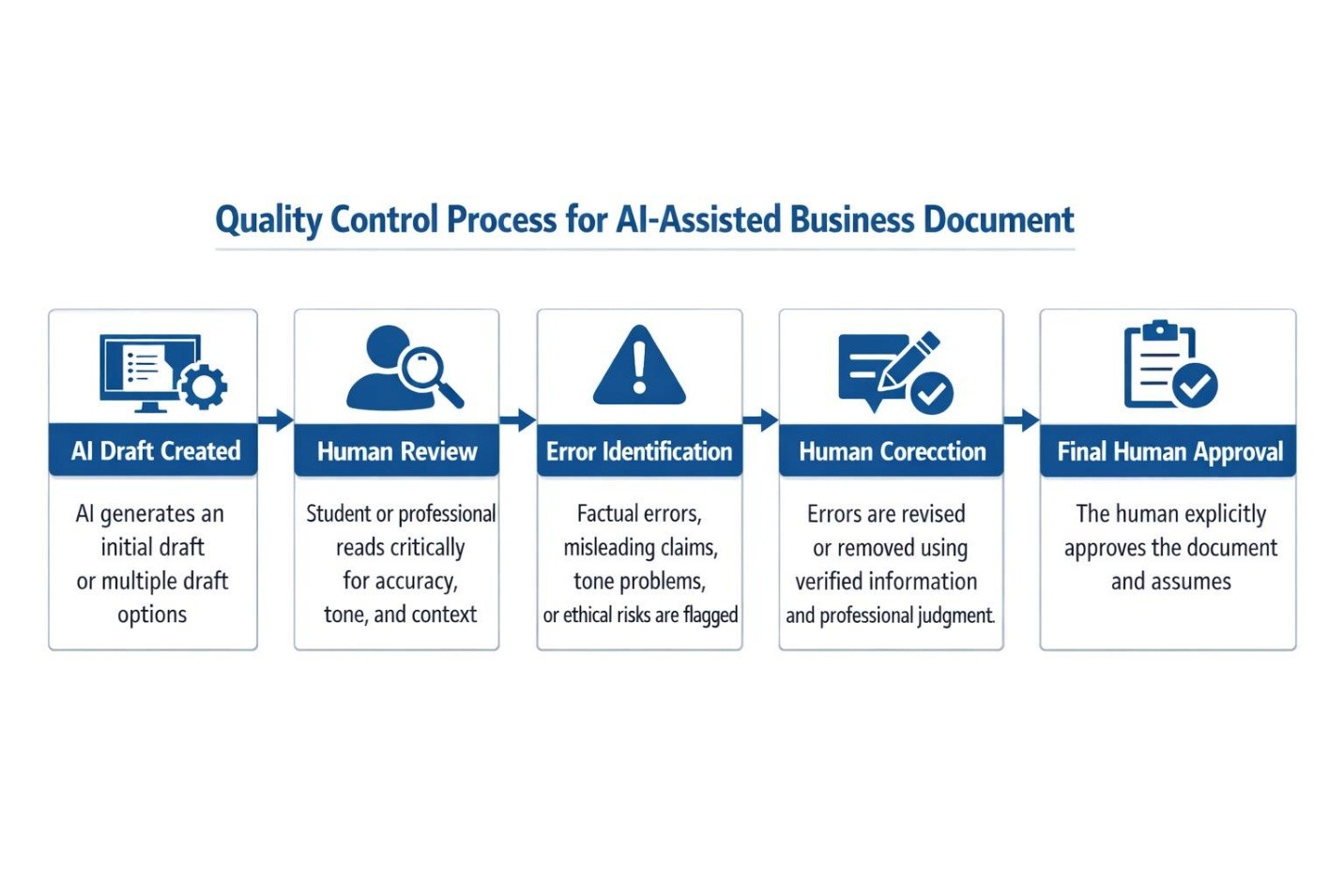
Figure 70.2 Error detection protects credibility and decision quality.
Professional Implications
Unchecked AI errors can damage trust, delay decisions, or create legal exposure. Teaching systematic review prepares students for workplace expectations where accuracy is mandatory.
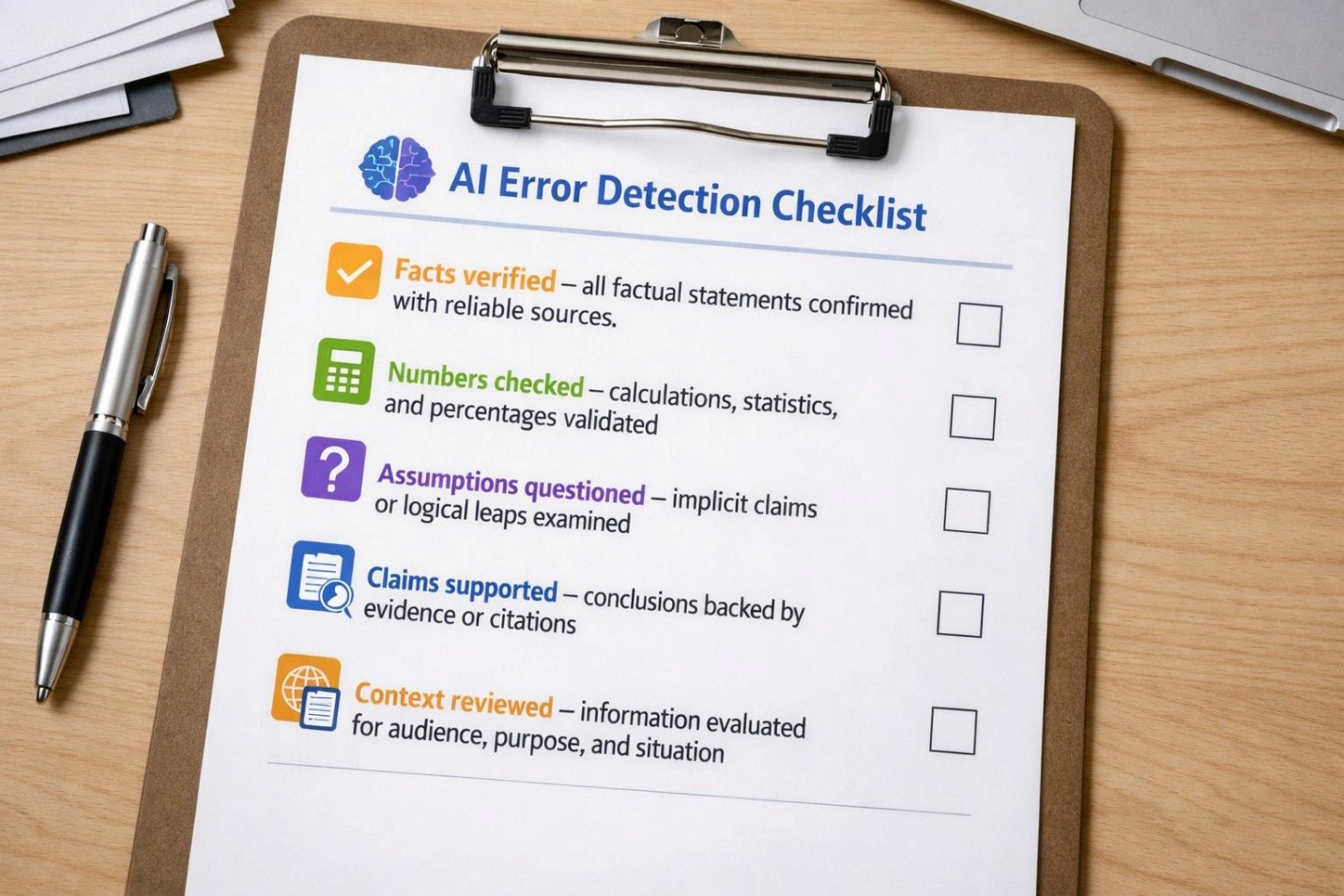
Figure 70.3 Systematic review prevents costly mistakes.
Key Takeaway
AI fluency does not eliminate the need for human error detection.
Instructor FAQs
(Collapsible / Accordion Block)
Why do AI-generated messages often include subtle errors?
Because AI prioritizes linguistic plausibility over factual accuracy.
How can instructors teach error detection efficiently?
Require structured checklists rather than open-ended proofreading.
Instructor FAQs
Why do AI-generated messages often contain errors?
AI prioritizes fluent language over factual accuracy, which can result in subtle but significant errors.
How can instructors teach AI error detection efficiently?
By using structured error-detection checklists rather than relying on general proofreading.