 Business Communication Teaching and Learning Center
Wednesday, July 29, 2026
Business Communication Teaching and Learning Center
Wednesday, July 29, 2026
Research-Based Practice

Figure 84.1 AI-ready graduates demonstrate judgment, not dependence.
Student demonstrating responsible, judgment-driven use of AI in professional communication.
CLUSTER 84 — LANDING PAGE
Preparing AI-Ready, Judgment-Driven Graduates
Introduction
The goal of AI instruction is not tool mastery—it is judgment, accountability, and adaptability. Graduates must be prepared to use AI responsibly in evolving environments.
Instructional Focus
Instruction integrates ethics, strategy, reflection, and transfer. Students learn to see AI as a collaborator, not a crutch.
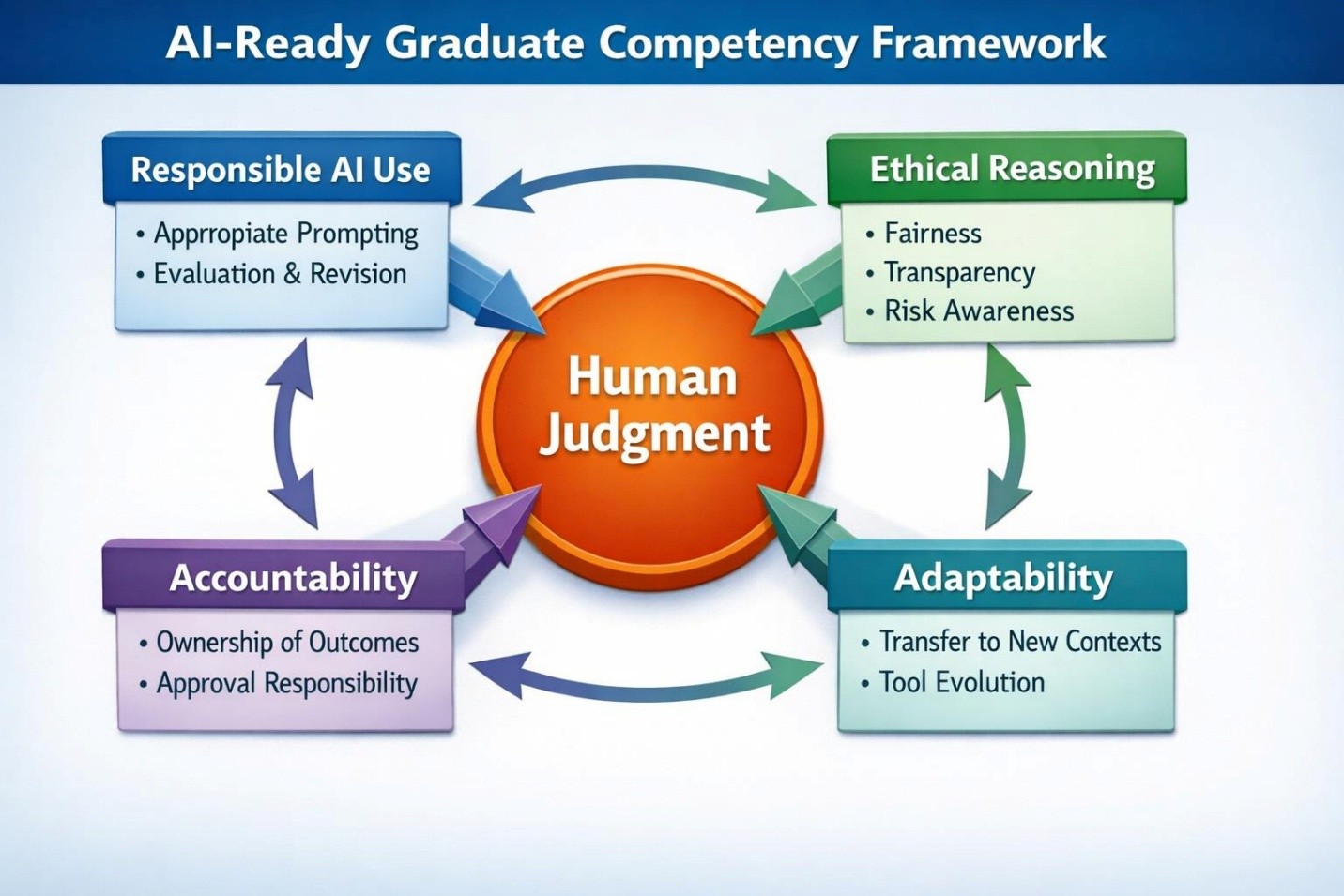
Figure 84.2 Judgment defines AI readiness.
______________________________________________________________________________
Transfer is where surface competence gives way to genuine understanding. When students encounter an unfamiliar business situation, they can no longer rely on templates, memorized steps, or routine AI prompts. Instead, they must recognize underlying principles, adapt their use of AI, and apply judgment, ethics, and evaluation strategies in new combinations.
This moment—moving from recognition to adaptation—reveals whether students truly understand how AI supports professional communication or have simply learned how to complete familiar tasks.
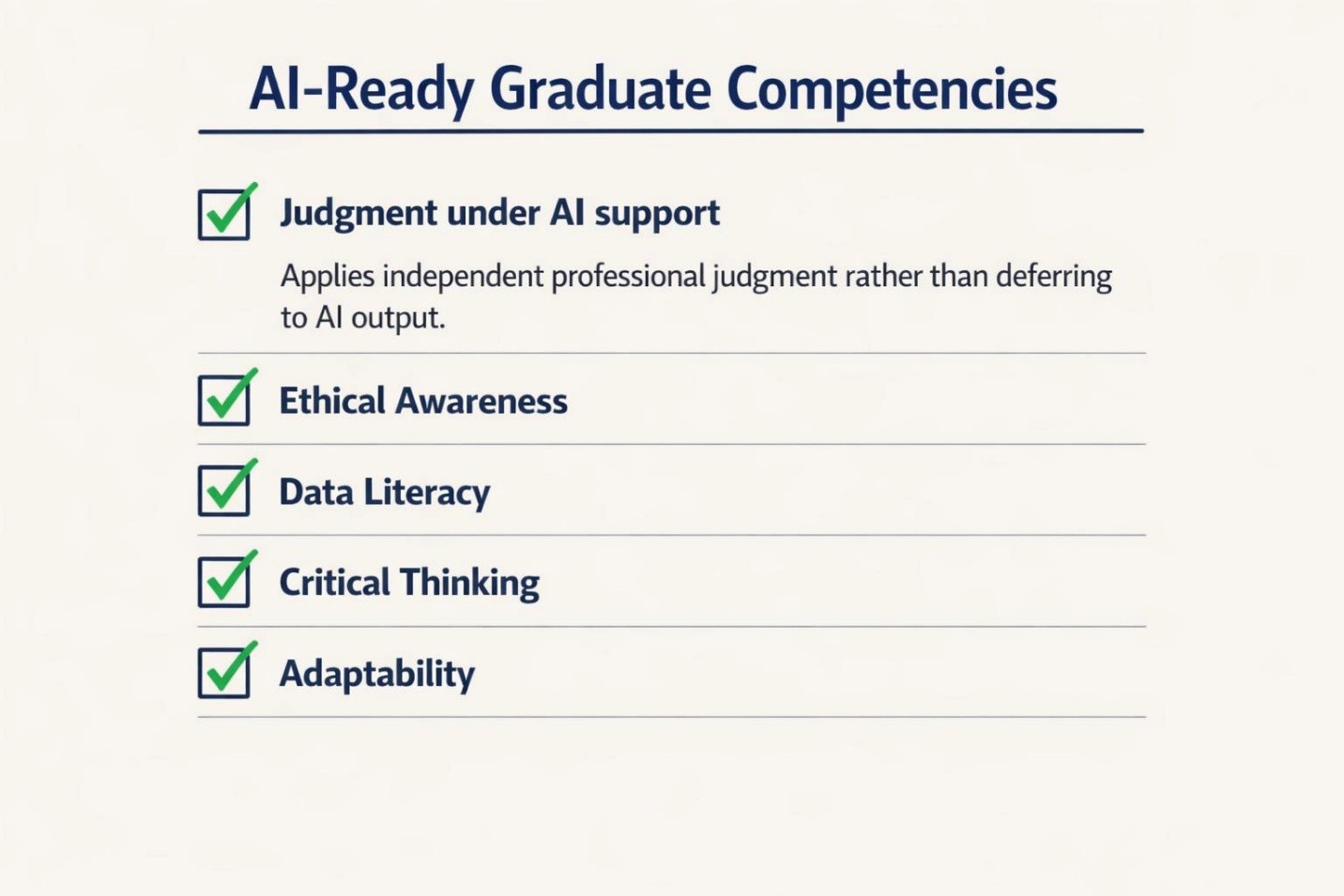
Figure 84.3 Readiness reflects judgment and responsibility.
Key Takeaway
AI-ready graduates think, judge, and adapt.
Instructor FAQs
(Collapsible / Accordion Block)
What defines an AI-ready graduate?
Judgment, ethics, and adaptability—not tool expertise.
How can instructors ensure AI readiness?
Teach decision-making, reflection, and accountability.
Instructor FAQs
What defines an AI-ready graduate?
An AI-ready graduate demonstrates judgment, ethics, accountability, and adaptability.
How can instructors prepare AI-ready graduates?
By emphasizing decision-making, reflection, and responsible AI use.
Articles in This Cluster
- Preparing Students for AI-Driven Business Communication Careers
- Research-Backed Patterns in Business Communication