 Business Communication Teaching and Learning Center
Thursday, November 19, 2026
Teaching Pain Points

Figure 43.1 Inclusive language requires human awareness and judgment.
CLUSTER 43 — LANDING PAGE
Teaching Inclusive Language in AI-Assisted Communication
Introduction
AI may unintentionally reinforce stereotypes or exclude perspectives. Inclusive language requires awareness, empathy, and cultural sensitivity—skills students must develop deliberately.
Inclusion as Communication Strategy
Effective instruction teaches students to:
- Recognize biased or exclusionary language
- Revise AI output for inclusivity
- Align messages with organizational values

Figure 43.2 Inclusive communication strengthens trust and credibility.
Consequences of Exclusion
Language that marginalizes audiences damages relationships and reputations. Teaching inclusivity reinforces ethical communication.
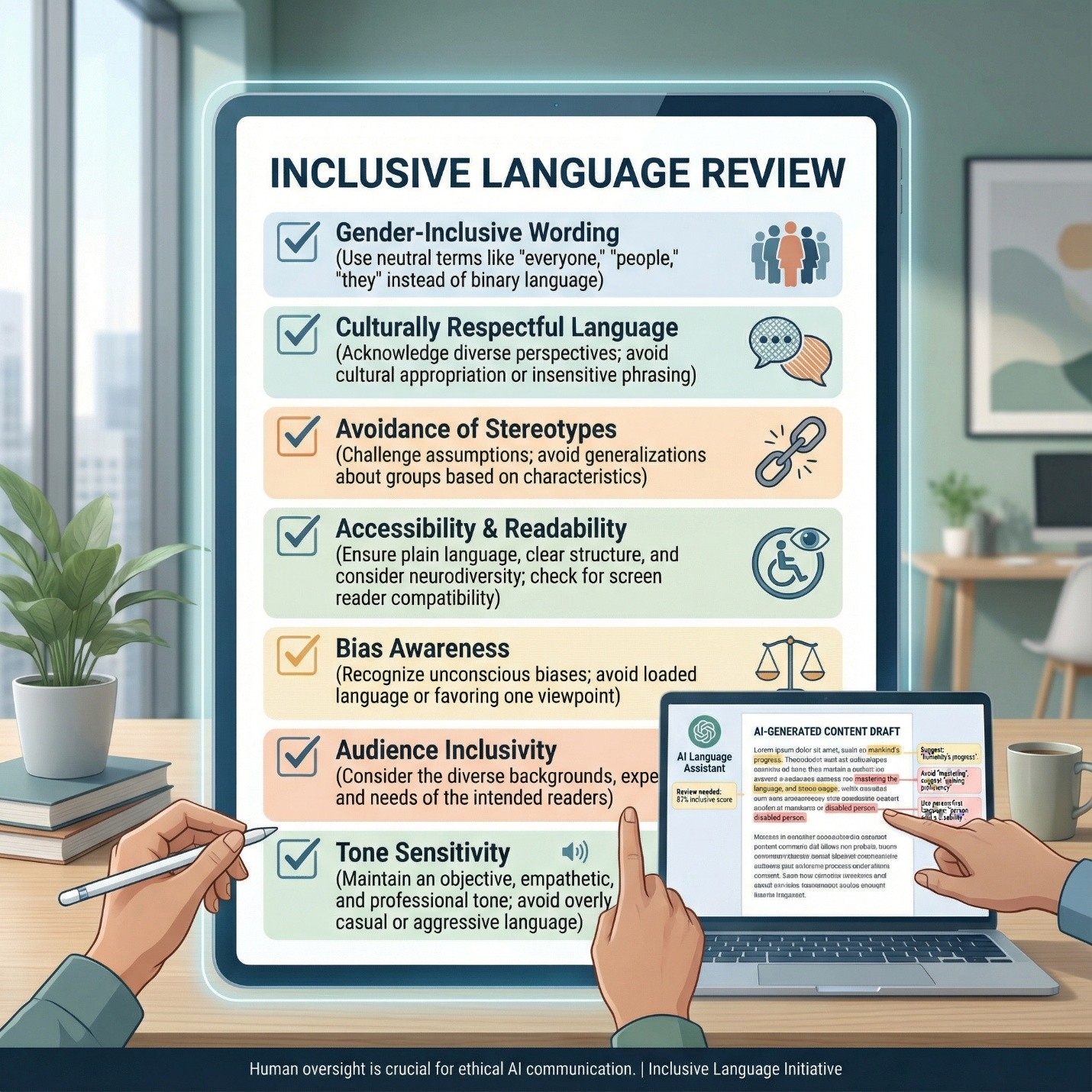
Figure 43.3 Inclusion requires intentional language choices
Key Takeaway
Inclusive communication depends on human judgment, not automation.
Instructor FAQs
Why is inclusive language important in AI-assisted communication?
AI may reflect biased patterns. Inclusive language promotes respect, fairness, and professional credibility.