 Business Communication Teaching and Learning Center
Sunday, September 13, 2026
Business Communication Teaching and Learning Center
Sunday, September 13, 2026
Visual Communication

Figure 35.1 Clarity and precision require intentional human revision, not automation.
CLUSTER 35 — LANDING PAGE
Teaching Clarity and Precision in AI-Generated Messages
Introduction
AI-generated messages often sound polished but lack precision. Vague phrasing, unnecessary qualifiers, and inflated language can obscure meaning rather than clarify it. In professional communication, clarity is not optional—it is a responsibility.
This cluster focuses on how textbooks teach students to revise AI-generated content for clarity, concision, and accuracy.
Why AI Drafts Often Lack Precision
AI systems are optimized for fluency, not specificity. As a result, they may hedge, overgeneralize, or repeat ideas unnecessarily. Without explicit instruction, students may mistake length or sophistication for effectiveness.
Effective textbooks teach students to identify unclear language and replace it with precise, audience-centered communication.
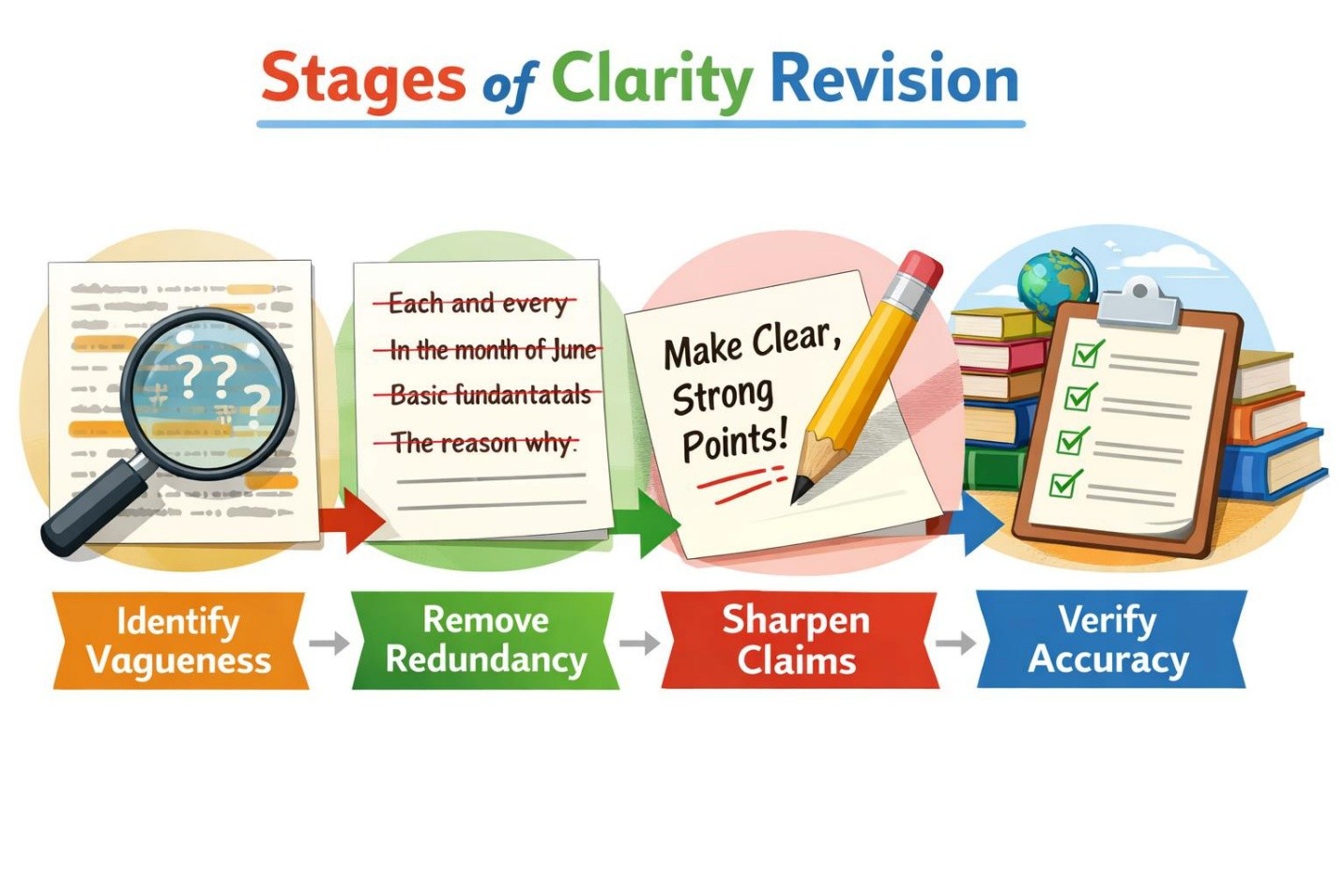
Figure 35.2 Precision improves when students actively revise AI-generated drafts.
Instructional Consequences of Ignoring Clarity
When clarity is not emphasized, students may submit messages that sound professional but fail to communicate actionable meaning. In workplace settings, this leads to confusion, delays, and reputational risk. Teaching clarity reinforces accountability and professionalism.
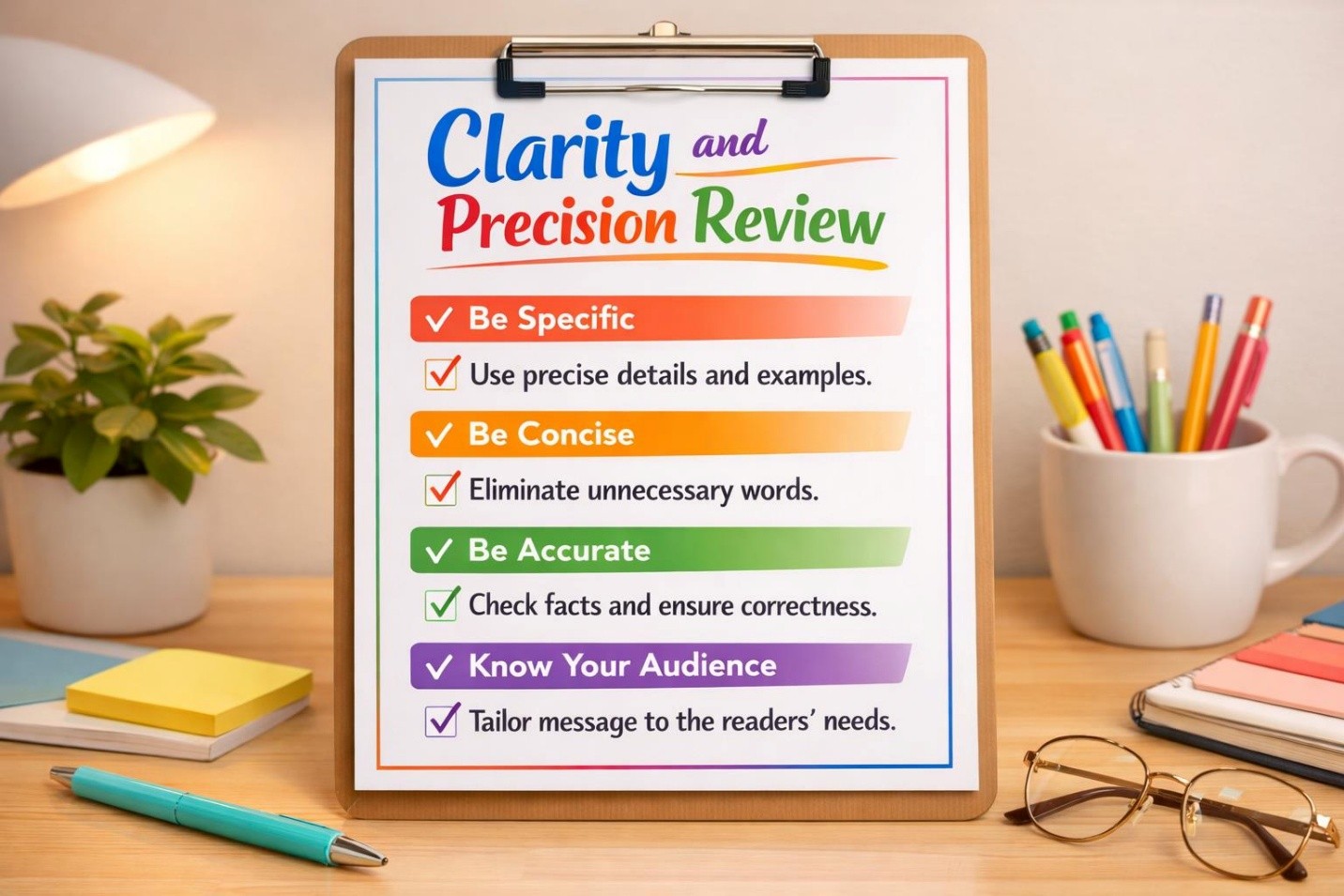
Figure 35.3 Clear messages reduce professional risk and improve credibility.
Key Takeaway
AI can generate language, but clarity emerges only through deliberate human revision.
Instructor FAQs
Why do AI-generated messages often lack clarity?
AI prioritizes fluency over specificity, which can result in vague or overly wordy messages that require human revision.
Articles in This Cluster
- Business Communication: Polishing Your Professional Presence vs. Business Communication Today
- Business Communication vs. Business Communication Today
- BCOM vs. Business Communication Today
- Business Communication: A Problem-Solving Approach vs. Business Communication Today
- Developing Leaders for a Networked World vs. Business Communication Today
- How Business Communication Today Excels in Visual Communication and Data Visualization?