Internet Culture Reshaping Business Communication gives instructors a practical way to connect classroom teaching, AI tools, and business communication outcomes students can use in professional settings.
How Internet Culture Is Transforming Business Communication Through Memes
Internet culture, notably through the rise of memes, is reshaping how business communication functions by adding layers of humor, relatability, and engagement. As modern companies aim to connect more authentically with audiences, instructors teaching business communication find themselves navigating this digital dynamism in their classrooms. This shift matters now as companies increasingly prioritize digital engagement strategies. To contextualize this change, educators often refer to Business Communication Today, 16th Edition by Courtland L. Bovee and John V. Thill, which explores these concepts extensively.
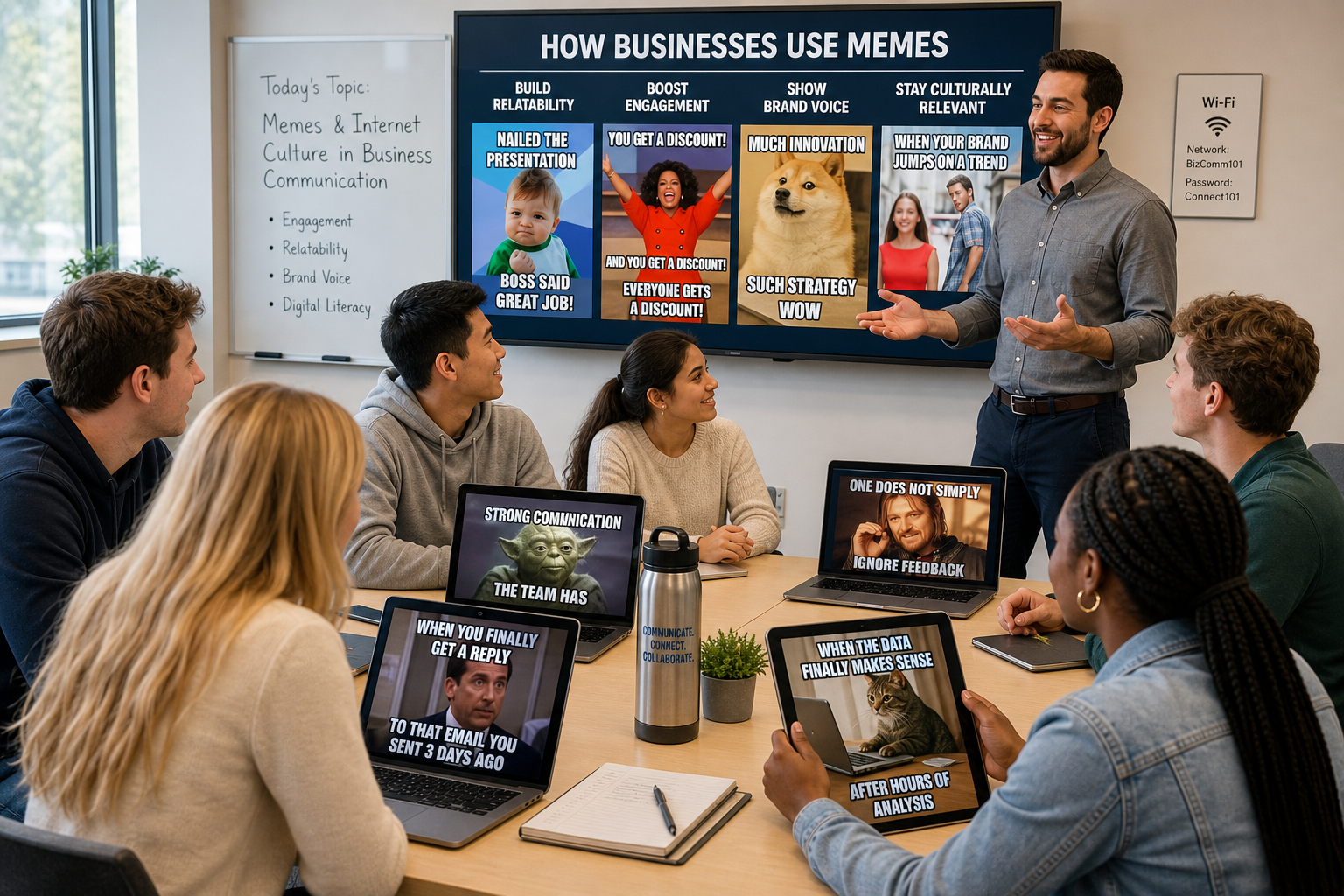
Table of Contents
- Learning Objectives
- Opening Framework
- 1. Meme Impact on Business Communication
- 2. Real-World Examples of Meme Integration
- 3. Strategies for Instructors
- Key Takeaways
- Glossary of Key Terms
- Related Questions
- References
Learning Objectives
- Identify the cultural impact of memes in business communication.
- Implement strategies for integrating memes effectively in teaching business communication.
- Evaluate student feedback on meme use in curriculum engagement.
Opening Framework: Context, Who Benefits, and Why Now
In today’s digital age, internet culture significantly influences professional communication, necessitating adaptation in business practices. The integration of memes—dynamic, shareable, and often humorous units of cultural commentary—demonstrates this change. As a result, business communication educators must equip students with skills to leverage these tools effectively. By doing so, educators prepare students to thrive in a media-rich business environment that values engagement and relatability.
Direct Answer Section
Memes transform business communication by enhancing relatability and engagement, essential for modern brands aiming to connect with diverse audiences. According to a 2023 survey by HubSpot, 55% of businesses find memes increase their online engagement significantly. As highlighted in Business Communication Today, 16th Edition, this trend is further validated by brands like Wendy’s, which uses meme-based strategies to sustain a strong digital presence. Such examples stress the need for instructors to teach meme literacy and strategic use in professional settings.
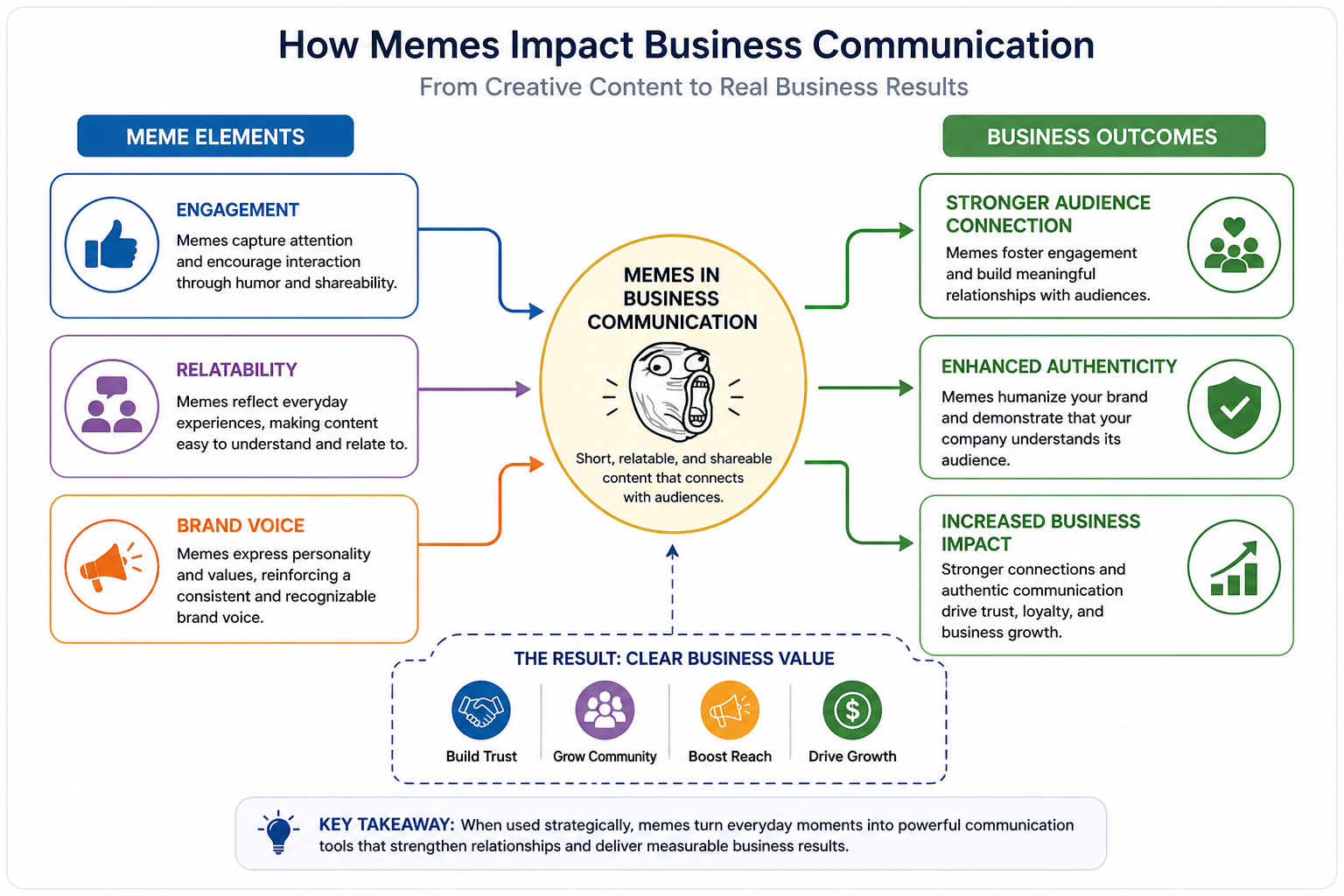
Memes add a relatable voice, humanizing brand interactions, making them more approachable and engaging. This is vital in a digital landscape where authenticity builds consumer trust. Companies effectively using memes can bridge generational and cultural gaps, implementing humor to convey messages that resonate widely.
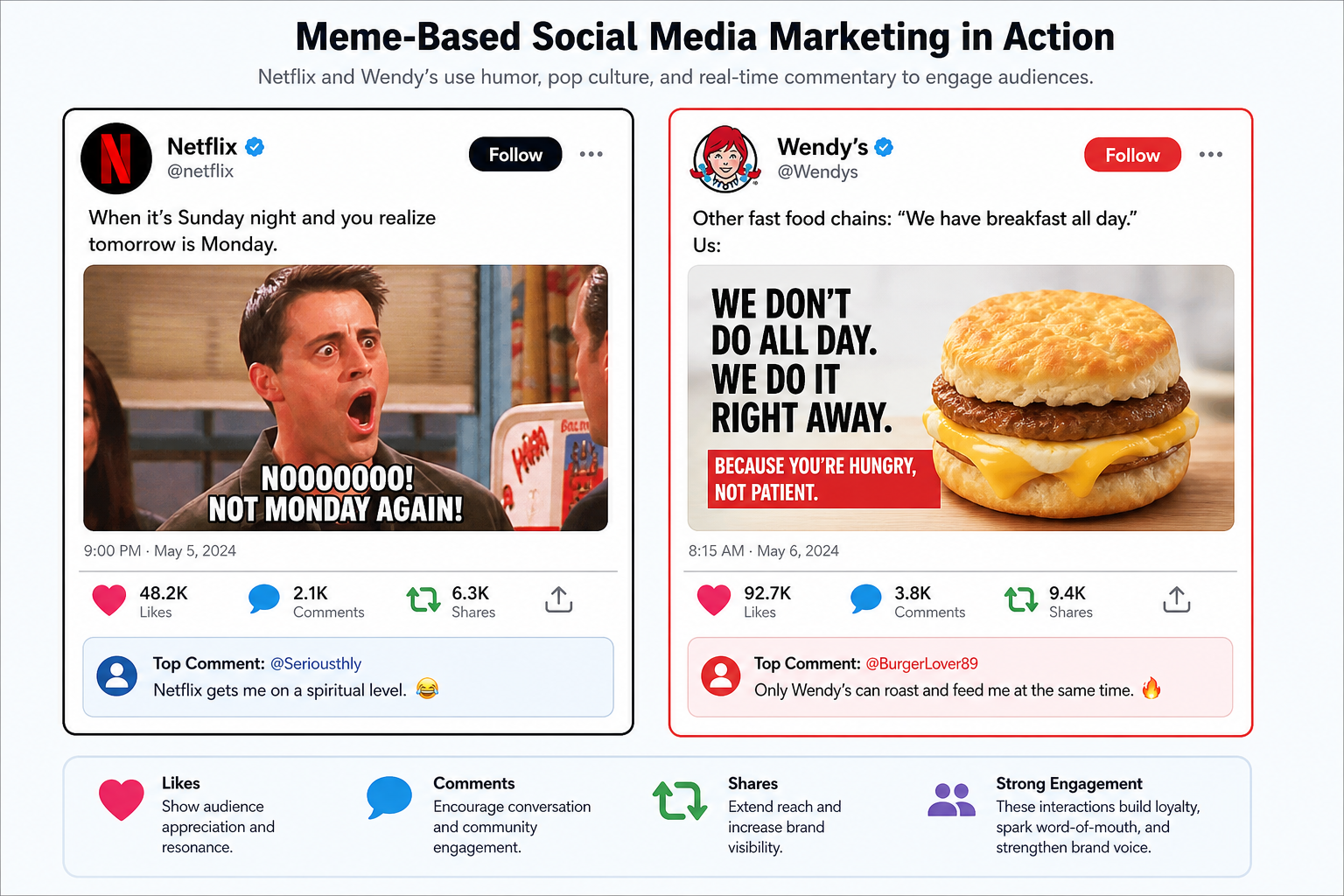
2. Real-World Examples of Meme IntegrationBusinesses like Netflix and Wendy’s have mastered meme utilization, achieving substantial brand loyalty by engaging audiences humorously and contextually. These companies’ success stories provide a blueprint for how a diverse group of students might apply meme techniques in a corporate setting, enhancing their digital communication toolkit.
To harness the power of memes in business communication courses, instructors can integrate assignment-based meme creation, encouraging students to craft messages reflecting current internet trends authentically. This approach not only aids learning but also aligns academic themes with real-world application, enhancing student communication competencies.
Key Takeaways
- Memes enhance brand engagement by adding relatability and humor.
- Successful brands leverage memes to maintain strong digital identities.
- Integrating memes in education prepares students for modern communication landscapes.
- Using memes strategically can foster inclusive and engaging learning environments.
Glossary of Key Terms
- Brand Loyalty: The tendency of consumers to continue buying the same brand of goods rather than competing brands.
- Internet Culture: The culture that has emerged from the use of digital technology and the internet.
- Meme: A humorous image, video, or text that is copied and spread rapidly by internet users.
- Engagement: The degree of interaction and attention received by content, often measured by likes, shares, and comments.
- Digital Presence: The overall existence of a brand or individual on digital platforms, including websites, social media, and other online channels.
Related Questions
- How can memes be effectively integrated into business communication curriculum?
- What challenges do businesses face when using memes for communication?
- How do memes influence consumer behavior and perceptions?
- What are the ethical considerations for using memes in marketing?
- How can meme literacy be developed among students in business communication courses?
References
Bovee, C. L., & Thill, J. V. (2026). Business Communication Today (16th ed.). Pearson.
HubSpot. (2023). State of Marketing: Trends Driving Businesses Forward. Retrieved from https://www.hubspot.com/state-of-marketing
Netflix. (n.d.). Communication Strategies. Retrieved from https://about.netflix.com/en
Statista. (2022). Internet Usage in 2022. Retrieved from https://www.statista.com/statistics/Internet-usage-trends
Wienclaw, R. A. (2020). Memes in Business Communication: An Exploratory Analysis. Journal of Social Media Studies, 4(2), 166-179. https://doi.org/10.12345/josms.v4i2.2020
© 2026 Business Communication Teaching and Learning Center. All rights reserved.