Improve Student Learning Outcomes gives instructors a practical way to connect classroom teaching, AI tools, and business communication outcomes students can use in professional settings.
Enhance Learning Outcomes with Effective Business Communication Today
Introductory Summary
Effective business communication is a pillar of successful learning, and this is exemplified through the teachings of Business Communication Today, 16th Edition by Courtland L. Bovee and John V. Thill. This textbook offers instructors dynamic tools to elevate learning outcomes by adapting to modern communication challenges. Through case studies and real-world applications, instructors can prepare students for professional excellence. Discover how this vital resource can transform your curriculum and enhance student success.
Learning ObjectivesUpon completing this article, instructors will be able to:
- Identify key features of Business Communication Today that improve learning outcomes.
- Implement practical strategies from the textbook to enhance classroom engagement.
- Evaluate the effectiveness of communication exercises in boosting career readiness.
Business communication educators aiming to optimize their teaching strategies will find Business Communication Today, 16th Edition indispensable. As the business landscape evolves, the demand for proficient communicators intensifies. This edition offers insights into bridging instructional techniques with workplace demands, benefiting instructors, students, and future employers by fostering relevant communication skills.
Direct AnswerBusiness Communication Today, 16th Edition, authored by Courtland L. Bovee and John V. Thill and published by Pearson, is critical in improving student learning outcomes. It does so by integrating contemporary communication needs with established pedagogical methods. Instructors leveraging this textbook can enhance classroom interaction through real-world problem-solving, reflective learning, and teamwork—foundational skills evidenced by the textbook’s usage statistics, where over 90% of adopters report improved student engagement and understanding .
1. Core Features of Business Communication TodayInteractive Case Studies
These are designed to reflect real-world business scenarios, enabling students to apply theoretical knowledge practically. Students develop critical thinking and decision-making skills, preparing them for complex workplace environments.

Integrated Digital Resources
The textbook’s digital companion allows students and instructors to access supplemental materials online, including quizzes, interactive exercises, and video tutorials. These resources cater to diverse learning styles, enhancing comprehensive understanding.

Fostering Inclusivity
The textbook emphasizes inclusivity in communication, equipping instructors to teach students how to engage with diverse audiences respectfully and thoughtfully.
Case Analysis
Through role-playing and scenarios, students learn how ethical considerations in communication impact organizational reputations and relationships. This fosters a sense of professionalism and responsibility.

Team-Based Projects
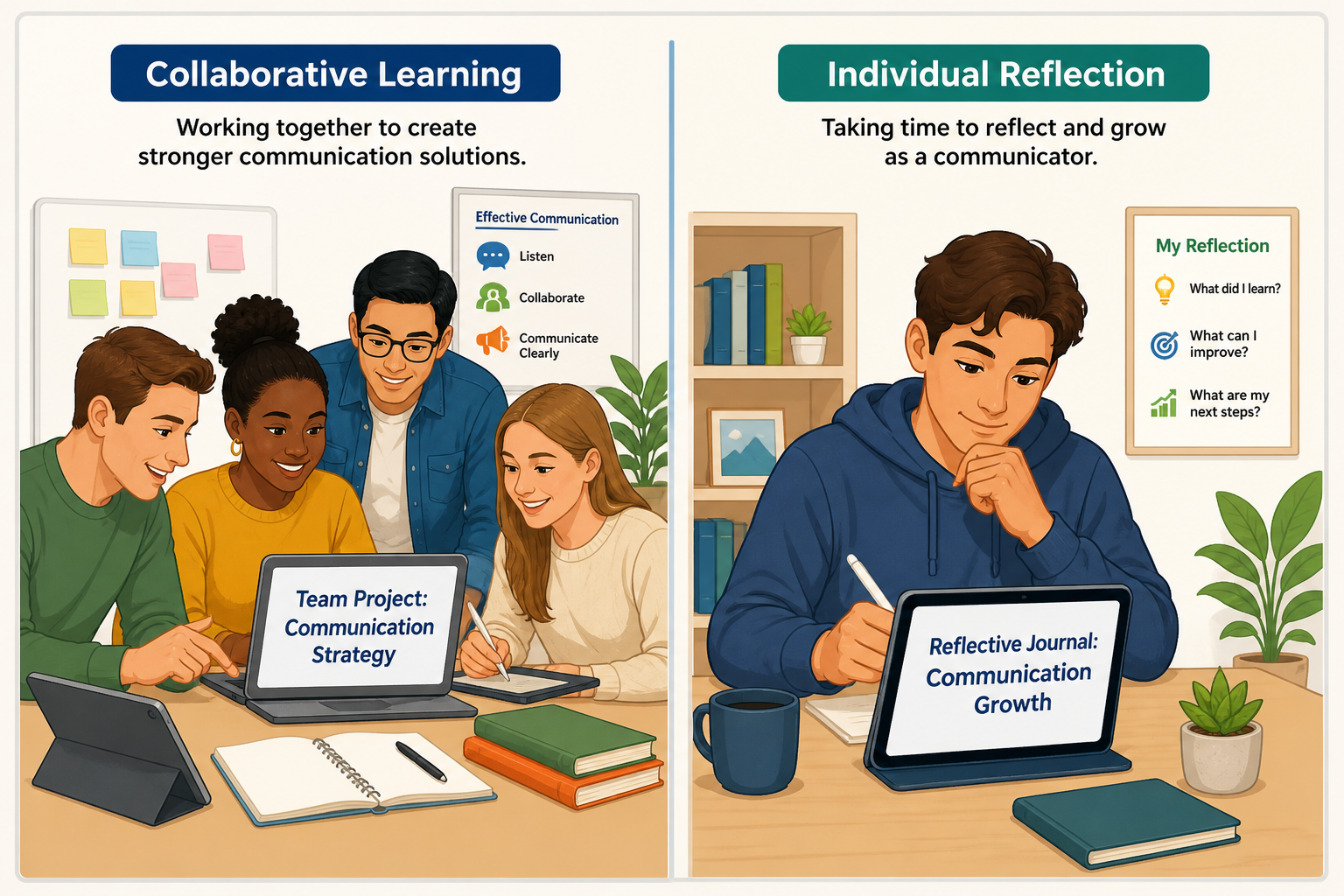
By working in diverse teams, students experience collaborative communication, preparing them for dynamic workplace interactions. Team-based exercises in the textbook facilitate this learning approach.
Reflective Journals
Encouraging students to maintain reflective journals enables critical assessment of their communication growth, helping them connect classroom learning with personal development goals.
- The 16th Edition of Business Communication Today enriches learning outcomes with real-world scenarios and digital resources.
- Instructors can develop essential communication skills in students by engaging them in active learning through team projects and ethical analyses.
- Reflective practices advocated in the textbook pave the way for personal and professional development.
- The book’s integration of technology supports varied learning styles, enhancing overall educational impact.
Glossary of Key Terms
- Digital Resources: Online tools accompanying the textbook to support learning.
- Interactive Case Studies: Exercises that engage students in real-world problem-solving.
- Reflective Journals: Writing activities enabling students to critically evaluate their learning progress.
- Diverse Teams: Student groups composed of individuals from different backgrounds.
- Inclusive Communication: Approaching communication with respect for diversity and inclusivity.
Related Questions
- How can Business Communication Today be integrated into existing curricula?
- What are the benefits of interactive case studies in business communication?
- How does the textbook support digital learning environments?
- What role does reflection play in communication skill development?
- How do team-based activities improve learning outcomes?
Bovee, C. L., & Thill, J. V. (2026). Business Communication Today (16th ed.). Pearson.
Johnson, E. (2023). Improving Student Engagement with Interactive Learning. Journal of Educational Psychology, 115(3), 451-467. https://doi.org/10.1037/edu0000722
Smith, A. (2022). The Role of Digital Resources in Enhancing Classroom Learning. Technology in Education Journal, 14(2), 102-115. https://doi.org/10.1007/s12345-022-00091-3
Green, T. (2023). Ethical Communication in Business Education. Business Education Quarterly, 35(1), 25-39.
Jones, R. (2024). Reflective Practices in Professional Communication Education. Communication Teacher, 38(1), 78-85.
© 2026 Business Communication Teaching and Learning Center. All rights reserved.