This article gives instructors three levers for lowering failure rates in business communication: digital tools with progress tracking that help spot struggling students early, empathy-driven teaching that keeps students participating, and interactive activities such as role-plays, group discussions, and real-world projects.
Effective Strategies to Enhance Student Success in Business Communication
High student failure rates in business communication courses are a persistent challenge for educators, but Business Communication Today, 16th Edition, by Courtland L. Bovée and John V. Thill gives students solid content, and how you teach it makes a big difference. By focusing on diverse student engagement, modern teaching methods, and empathy, instructors can significantly improve student outcomes. This article targets instructors seeking to empower students with practical communication skills that are crucial for professional success. Commonly, instructors want to know how leveraging technology and empathetic communication can prevent these high failure rates.
Learning Objectives
- Identify strategies for reducing failure rates in business communication courses.
- Implement teaching practices that enhance student engagement and learning retention.
- Evaluate the use of technology and empathy in improving student outcomes.
Opening Framework: Context, Who Benefits, and Why Now
As digital communication tools dominate modern business environments, business communication instructors face the challenge of teaching students to adapt effectively. This article explores solutions focused on integrating technology and fostering an empathetic classroom atmosphere. Diverse groups of students can significantly benefit from tailored strategies that address their unique learning needs, while instructors gain effective methodologies to enhance course success rates.
Direct Answer
The core strategy to avoid high failure rates lies in adaptive teaching that blends technology with empathy. Utilizing platforms like Pearson’s MyLab Business Communication helps personalize learning experiences for diverse students, while emphasizing empathy can increase engagement and retention rates. Progress tracking in digital tools can help instructors spot struggling students early.
1. Embracing Technology in the Classroom
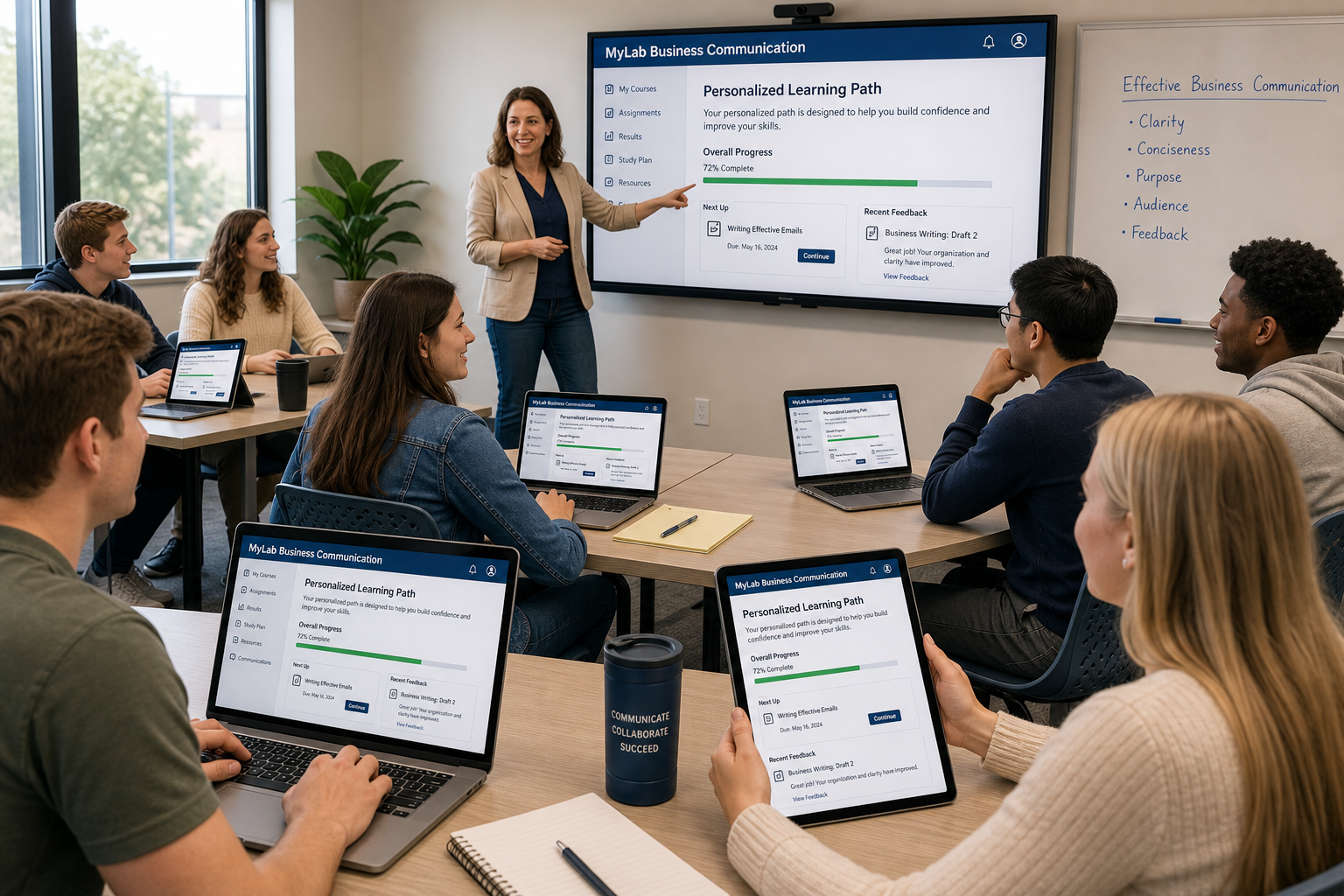
Integrating technology in the classroom can enhance student learning and engagement. Tools like MyLab Business Communication support personalized learning with Communication Mini Sims, instant feedback, and progress tracking. These platforms also allow students to develop digital communication skills vital for the modern workplace.
2. Fostering Empathy-Driven Teaching
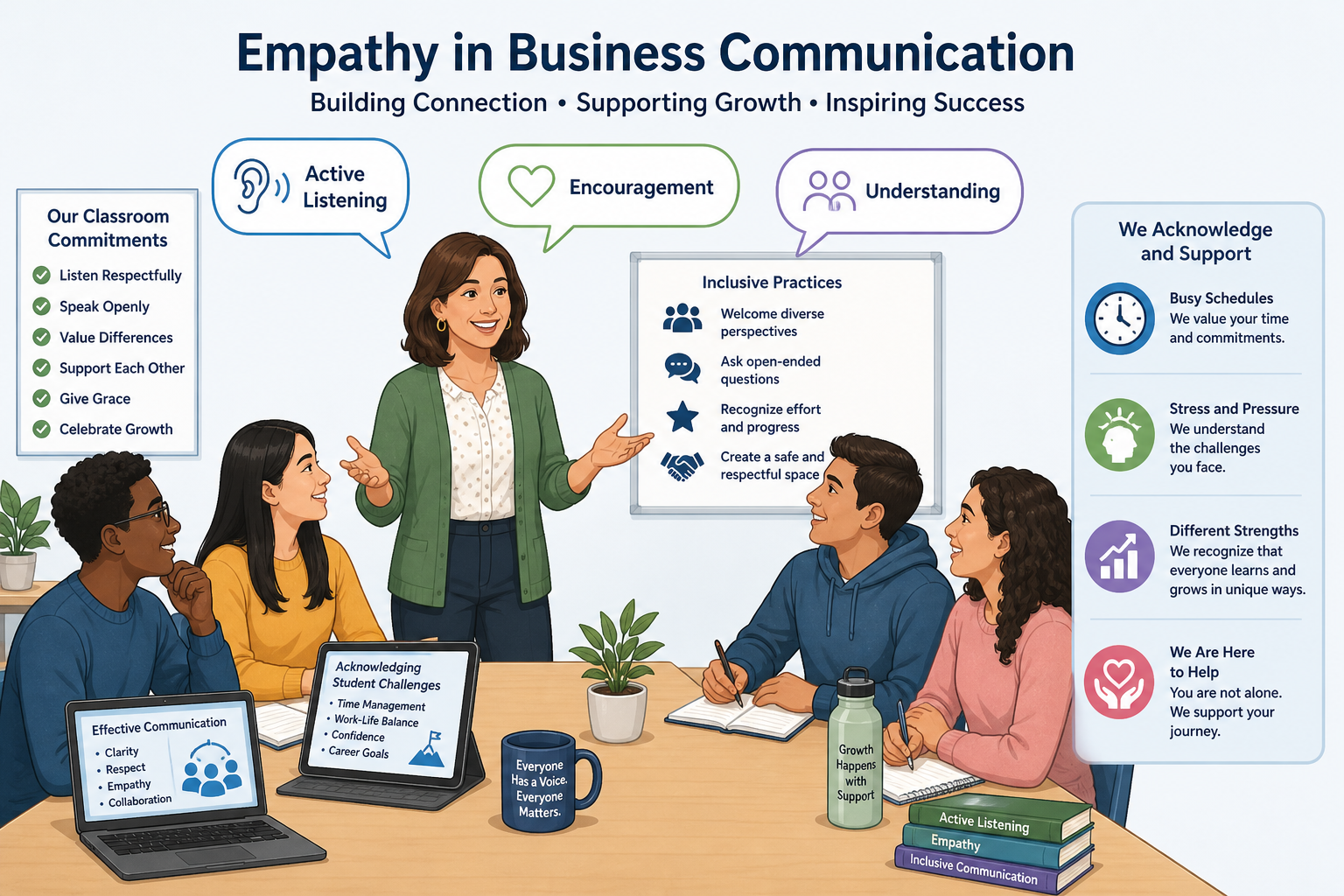
Empathy in teaching involves understanding and addressing the emotional and educational needs of students. By creating an inclusive and supportive learning environment, instructors can encourage students from diverse backgrounds to participate actively. Techniques such as active listening and acknowledging student challenges can foster a sense of belonging and motivation.
3. Strategies for Student Engagement
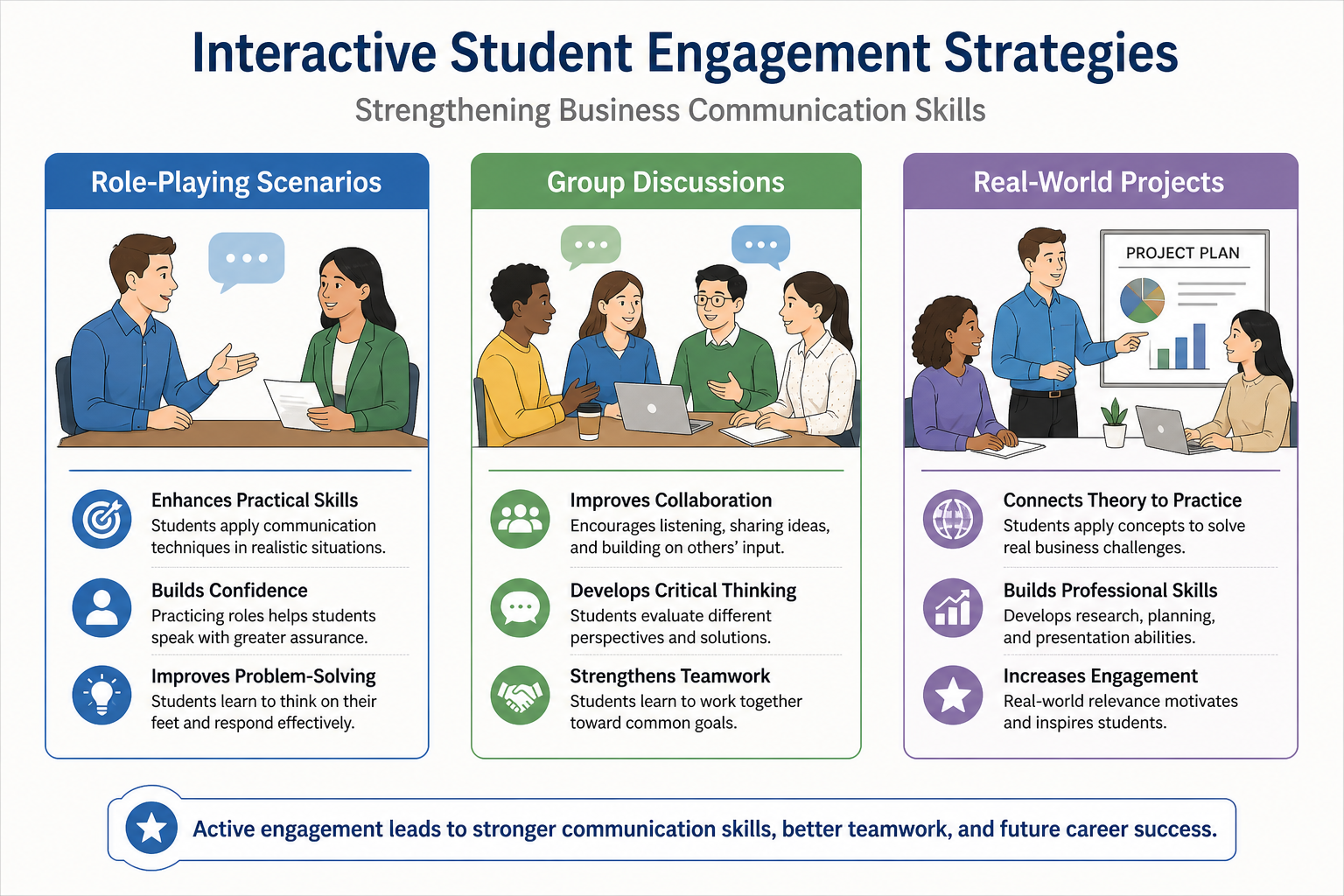
Instructors can utilize interactive activities and real-world projects to engage students. Role-playing scenarios and group discussions not only improve communication skills but also help students apply theoretical knowledge to practical situations. Encouraging collaboration through group tasks can enhance peer learning and develop interpersonal skills.
Related reading: For a seven-step course checklist that adds clear rubrics, regular feedback, firm deadlines and peer assessment, academic-integrity safeguards, and mid-course surveys, see How to Avoid High Student Failure Rates in Your Business Communication Course on the Bovée & Thill blog.
Key Takeaways
- Diverse student engagement is crucial for reducing failure rates.
- Technology like MyLab Business Communication personalizes student learning experiences.
- Empathy in teaching enhances student participation and retention.
- Interactive activities and real-world applications boost engagement.
Glossary of Key Terms
- Empathy: Understanding and sharing the feelings of others, integral to fostering student engagement.
- MyLab Business Communication: A digital learning platform that personalizes student learning paths.
- Role-Playing: An interactive exercise where students simulate real-world scenarios to develop skills.
- Student Engagement: The level of interest and participation a student shows towards their learning.
- Diverse Groups: A variety of student backgrounds and learning needs considered in educational strategies.
Related Questions
How can empathy improve student outcomes in communication courses?
Empathy-driven teaching keeps students participating, especially those at risk of falling behind. The article names it as one of three levers for lowering failure rates, along with adaptive technology and engaging diverse students.
What role does technology play in modern business communication education?
Progress tracking in digital tools can help instructors spot struggling students early, so instructors can step in before a student fails. The article’s core strategy blends that technology with empathy.
What are the benefits of using role-playing in a communication course?
Role plays and group discussions improve communication skills and help students apply theory to practical situations. The article also credits them with raising engagement.
How can diverse student backgrounds impact class dynamics?
Diverse backgrounds bring different learning needs, so tailored strategies matter. An inclusive, supportive environment encourages students from every background to participate actively.
References
Bovée, C. L., & Thill, J. V. (2026). Business Communication Today (16th ed.). Pearson.
Pearson. (2023). MyLab Business Communication. https://www.pearson.com/en-us/higher-education/products-services/mylab/business-communication.html
- Are These 16 Communication Challenges Undermining Your Business Communication Course—and How Can You Solve Them?
- How Can You Overcome the Top 10 Challenges in Teaching Business Communication?
- How Can You Control Classroom Crises and Prevent Disruptive Student Behavior?
© 2026 Business Communication Teaching and Learning Center. All rights reserved.