Enhance Learning by Leveraging Disaster Memories
Students often remember disasters more vividly than success stories, presenting an opportunity for educators to channel these memories into positive learning outcomes. This article explores strategies to effectively harness this tendency within educational settings. Leveraging insights from Business Communication Today, 16th Edition, by Courtland L. Bovée and John V. Thill, instructors can transform setbacks into catalysts for student growth. This approach is particularly salient in courses focused on crisis management and career readiness.
Learning Objectives
- Identify why students often recall disasters more vividly than success stories.
- Implement strategies to use disaster scenarios to enhance learning outcomes.
- Evaluate methods for transforming crisis memories into positive instructional opportunities.
Opening Framework
In today’s dynamic educational landscape, instructors seek to make material resonate more profoundly with their students. Understanding why students remember disasters better than success stories can unlock new teaching methodologies. With changes rapidly occurring in industries and careers, utilizing this cognitive pattern can be pivotal in preparing students for real-world challenges. Business Communication Today, 16th Edition, covers crisis communication and negative messages, which gives students the background to analyze these scenarios.
Direct Answer
Students remember disasters better than success stories due to psychological impacts such as heightened emotional responses and the detailed, vivid nature of these events. According to research, stressful or negative stimuli activate more robust memory consolidation processes. Challenging scenarios make practical learning tools, helping students to engage more deeply and retain information effectively. Emphasizing the contextual learning of crises provides instructors with a robust framework for cultivating critical thinking and resilience in students.
1. The Science Behind Memory of Disasters
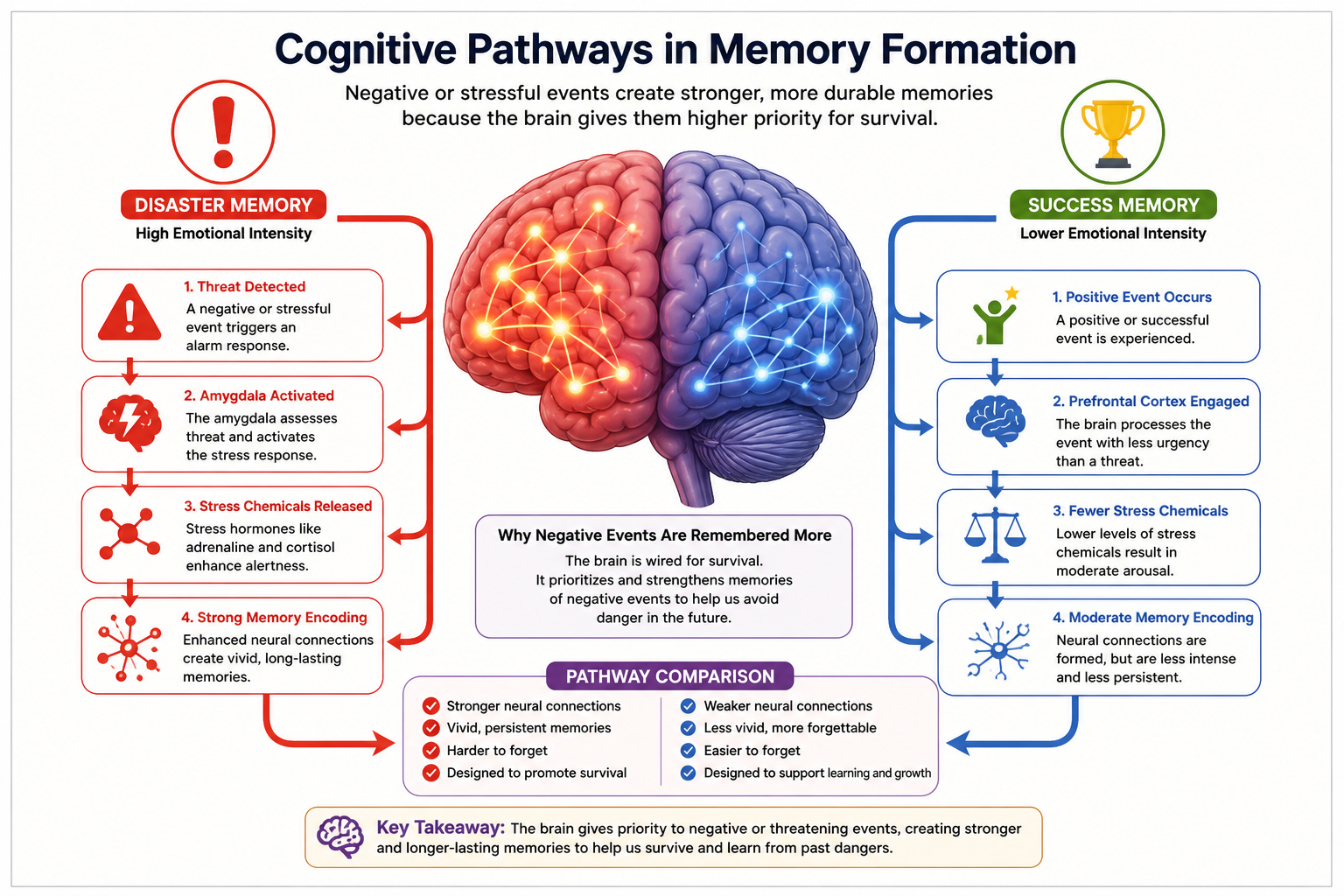
Understanding the cognitive processes involved in memory formation can enhance teaching techniques. Research suggests that the human brain prioritizes negative events over positive ones due to evolutionary survival mechanisms. These events are encoded more deeply, making them more accessible when recalled. This presents an opportunity for educators to intentionally use negative scenarios in a controlled, educational manner to reinforce learning goals and foster critical reflection among students.
2. Integrating Disaster Scenarios in Curriculum
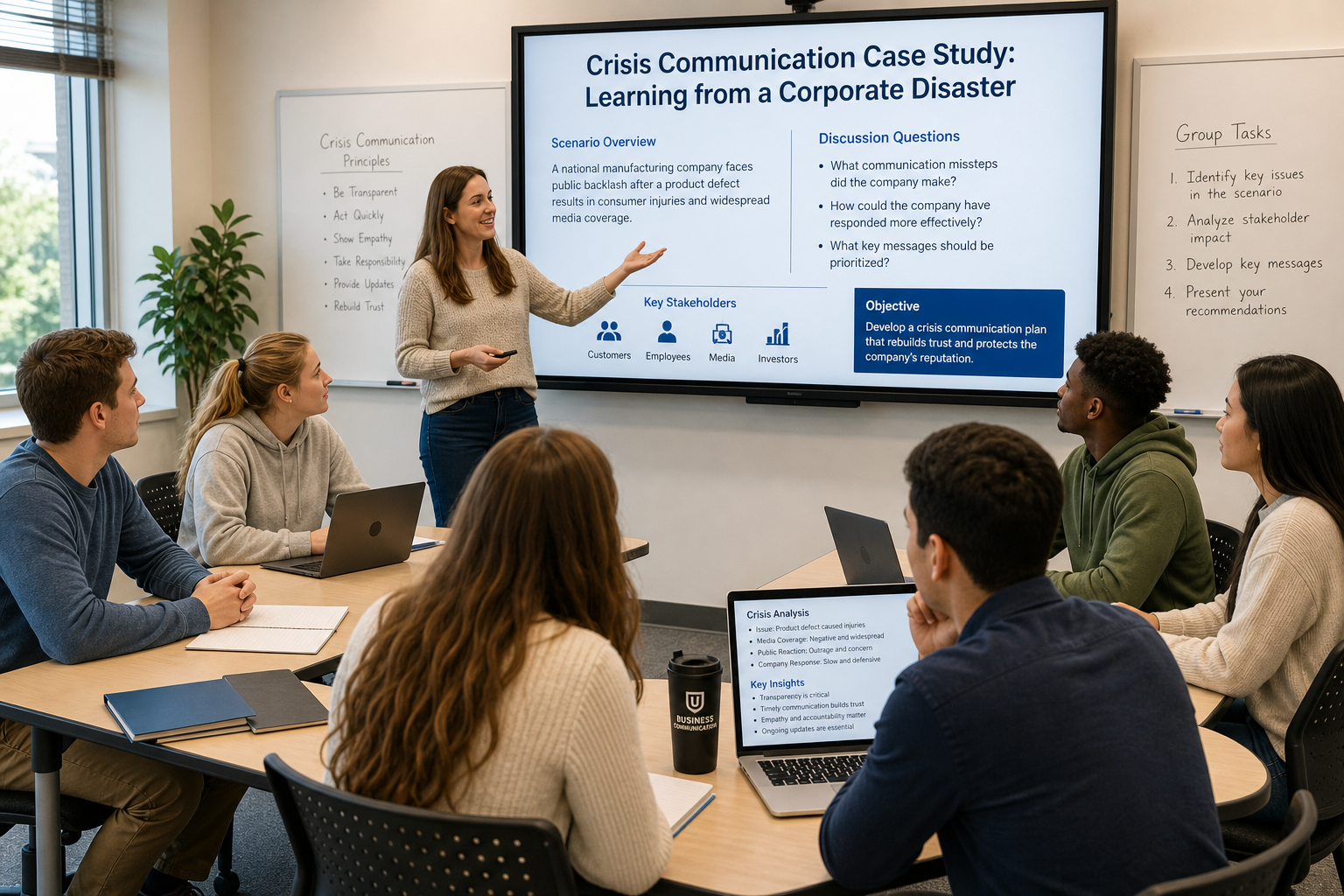
Incorporating disaster scenarios into business communication curriculum can make lessons more engaging and memorable. For instance, analyzing a public relations crisis faced by a well-known corporation can help students learn about effective crisis management strategies. By crafting exercises around real-world disasters using resources like Business Communication Today, instructors can teach students how to analyze these situations and derive key insights for future decision-making.
3. Transforming Crisis into Learning Opportunities
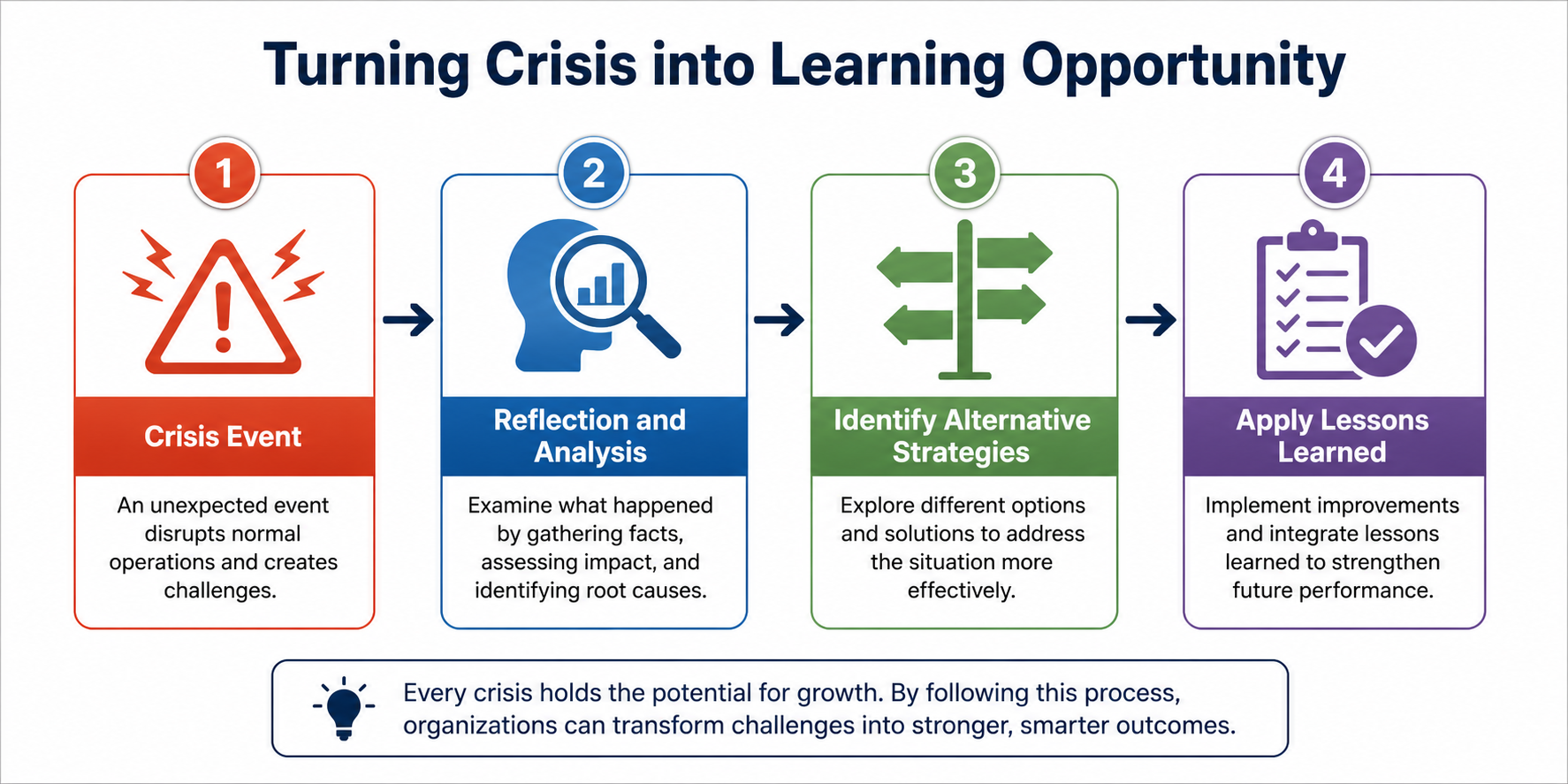
Educators can transform students’ perception of crises into opportunities for growth by emphasizing learning from past mistakes. Methods such as reflective journaling, case studies, and role-playing can be used to guide students in examining errors and identifying alternative strategies. Through this reflective process, a diverse group of students can better understand the implications of decisions made during crises and gain a comprehensive understanding of the subject matter.
Key Takeaways
- Disasters are more vividly remembered due to emotional triggers, making them effective teaching tools.
- Utilizing crisis scenarios in education can engage students and enhance critical thinking.
- Business Communication Today’s coverage of crisis communication supports these classroom discussions.
- Educators can leverage disaster narratives to encourage learning resilience and adaptability.
Glossary of Key Terms
- Cognitive Processes: Mental actions or operations influencing understanding and decision-making.
- Crisis Management: The process of handling a disruptive and unexpected event that threatens to harm an organization or its stakeholders.
- Emotional Triggers: Stimuli that evoke strong emotional responses, impacting memory retention.
- Reflective Journaling: A teaching technique that encourages students to write about their experiences to enhance learning.
- Scenario Analysis: The process of evaluating possible events by considering alternative possible outcomes (scenarios).
Related Questions
What psychological factors contribute to stronger memories of disasters?
Research suggests the brain prioritizes negative events over positive ones because of evolutionary survival mechanisms. As a result, it encodes disasters more vividly than successes.
How can instructors use negative experiences to foster positive student engagement?
Use negative scenarios in a controlled, educational way to reinforce learning goals and prompt critical reflection. The emphasis falls on learning from mistakes, which turns a vivid memory into a lasting lesson.
Which educational strategies are most effective in turning crises into learning tools?
Analyze real-world disaster scenarios in class and focus the discussion on what went wrong and what should have happened. The article says this engages students and builds practical crisis management skills.
How does Business Communication Today help with crisis scenarios?
Business Communication Today, 16th Edition, covers crisis communication and negative messages, which gives students the concepts they need to analyze real-world crises in class.
What are the benefits of using real-world crisis examples in classrooms?
Real crisis examples engage students, sharpen critical thinking and build practical crisis management skills. They also help students remember the lessons, since disasters stick in memory.
References
Bovée, C. L., & Thill, J. V. (2026). Business Communication Today (16th ed.). Pearson.
If you’re ready to transform student engagement with lessons from the past, explore how Business Communication Today, 16th Edition can enrich your curriculum.
- What Strategies Can Educators Use to Support Anxious and Apprehensive Students Without Creating Fear?
- How Active Listening Improves Workplace Communication and Collaboration
- The Importance of Active Listening in Business Communication
© 2026 Business Communication Teaching and Learning Center. All rights reserved.