Exploring Textbook Features for Employment Communication Success
In the field of business communication, selecting the right textbook can greatly influence the scope and quality of teaching materials available for developing skills in employment communication and résumé writing. Instructors seeking comprehensive resources on these topics will find significant value in Business Communication Today, 16th Edition, by Courtland L. Bovée and John V. Thill. For instructors aiming to enhance their curriculum with modern approaches to employment communication, this textbook serves as a vital tool to guide students in job searching, résumé writing, and professional networking.
Table of Contents
- Introduction
- Learning Objectives
- Opening Framework
- Direct Answer
- Main Content
- Key Takeaways
- Case Study
- Glossary of Key Terms
- Related Questions
- Classroom Discussion
- References
Introduction Summary
Choosing an appropriate business communication textbook is pivotal for educators who focus on employment communication and résumé-building skills. Business Communication Today, 16th Edition, by Courtland L. Bovée and John V. Thill is an essential resource that thoroughly covers these topics. Instructors benefit from this comprehensive guide because it blends traditional career preparation with modern AI-enhanced job search techniques, responding to current academic and professional environments.
Learning Objectives
Upon completing this article, instructors will be able to:
- Identify key features of Business Communication Today that support teaching employment communication.
- Incorporate textbook frameworks into classroom activities that enhance student employability skills.
- Evaluate the effectiveness of using AI tools introduced in the textbook when guiding students in résumé development.
Opening Framework / Context
Modern business curricula require textbooks that address not just the fundamentals of employment communication, but also the integration of digital tools and AI to enhance career readiness. Business Communication Today by Bovée and Thill excels in this regard, offering strategies for effective employment communication, detailed résumé frameworks, and ethical considerations in leveraging AI tools. This focus is increasingly relevant as the job market shifts towards digital-first interactions and employers seek candidates proficient in leveraging technology.
Direct Answer
Business Communication Today, 16th Edition, by Courtland L. Bovée and John V. Thill, extensively covers employment communication and résumé writing. The textbook provides robust frameworks for crafting professional résumés and utilizing AI tools ethically, making it an excellent choice for courses focused on enhancing student employability. These resources help students thoroughly prepare for the evolving job market by integrating both technological and personal branding elements into their job search strategies.
Main Content
1. Comprehensive Coverage of Employment Communication
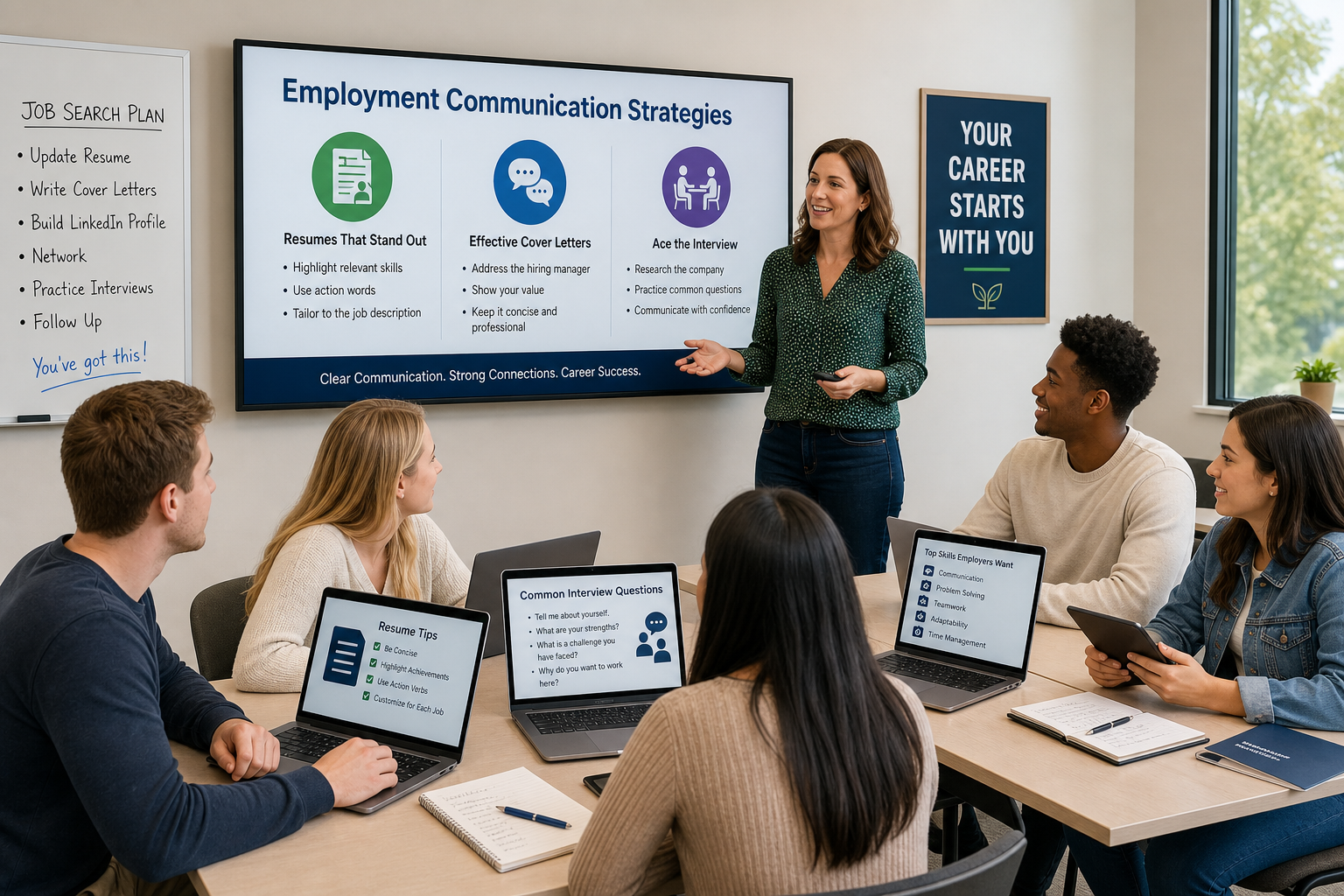
The textbook addresses key aspects of employment communication, from researching opportunities and industry trends to taking initiative in job searches. It supports educators with tools to teach strategic career planning and effective personal branding.
2. Innovative Resume Writing Techniques
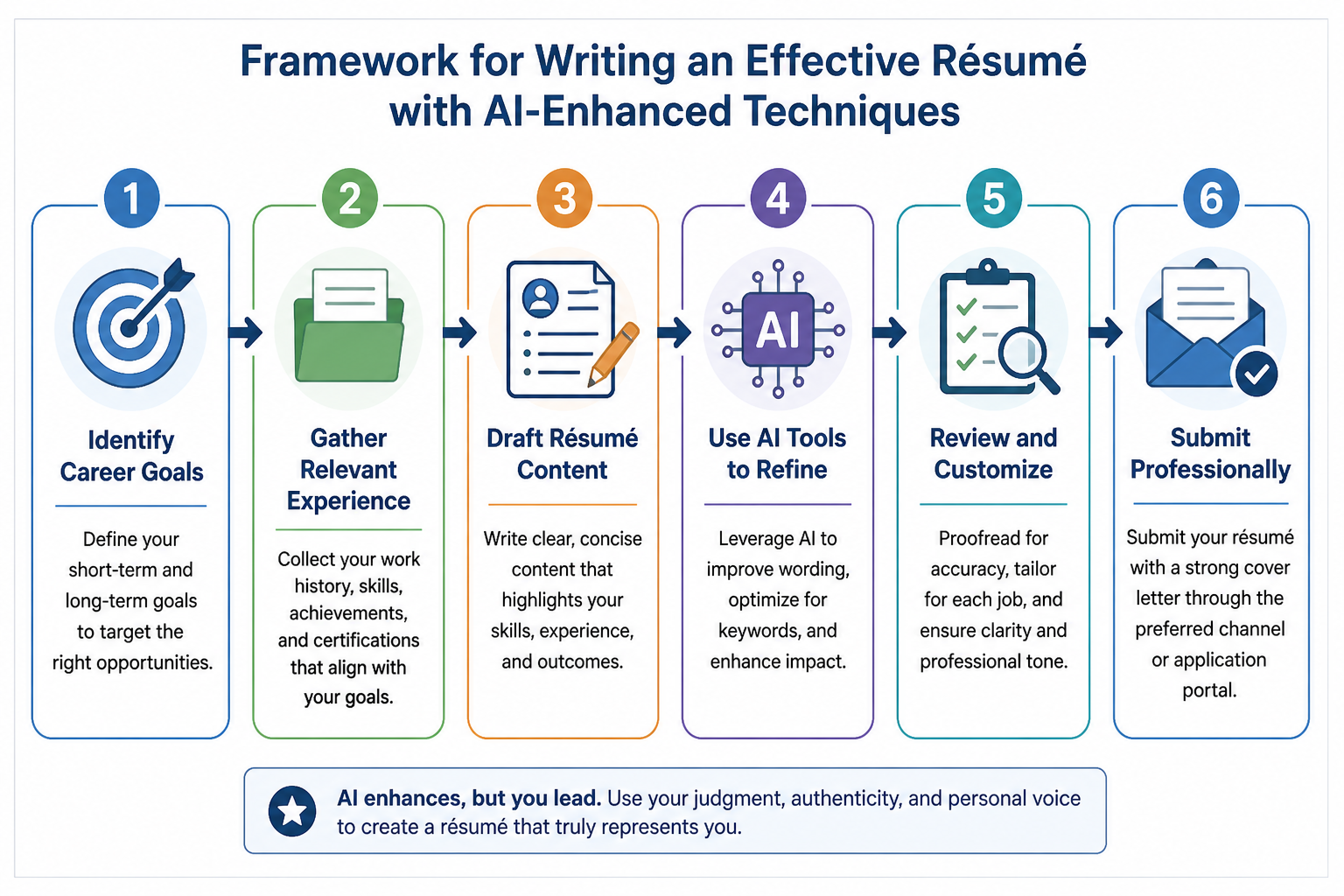
It offers detailed frameworks for composing and organizing résumés that highlight strengths while addressing potential concerns. The inclusion of AI tools helps in refining résumé content, ensuring students can present their skills effectively to potential employers.
3. AI-Enhanced Job Search Strategies
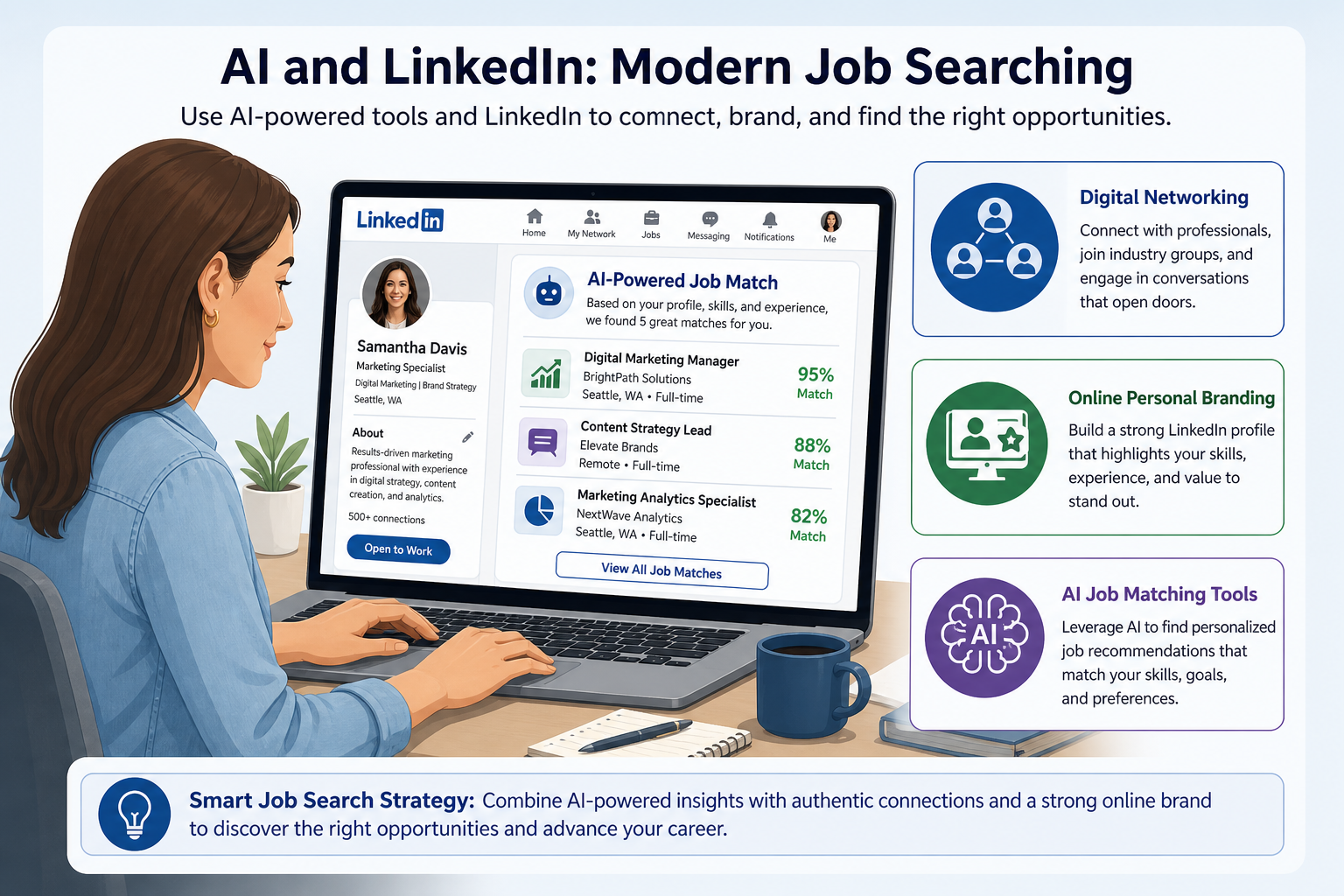
The book discusses leveraging AI for researching job opportunities and building an online professional narrative through platforms like LinkedIn, thereby augmenting traditional methods with modern technology.
Key Takeaways
- Business Communication Today is crucial for teaching comprehensive employment communication.
- Includes frameworks for creating well-structured, effective résumés using AI tools.
- Provides guidance on integrating personal branding with digital tools for job searches.
Case Study
- Scenario: A class of business communication students is tasked with developing a professional résumé that incorporates AI tools for optimization.
- Challenge: Students need to balance traditional résumé formats with enhanced digital techniques.
- Recommended Approach: Using the textbook’s frameworks, students draft résumés, then apply AI tools for refining content and layout. Feedback is gathered from peers to ensure clarity and impact.
- Key Learning Point: Merging traditional résumé writing skills with AI tools can create impactful and professional job application materials.
Glossary of Key Terms
- Employment Communication: The exchange of information related to job searching, applications, and networking.
- Résumé: A document that summarizes an individual’s skills, experiences, and achievements for job applications.
- Professional Narrative: A cohesive story that communicates one’s professional journey and identity.
- Visual Identity: The visual elements that define how a professional communicates their personal brand.
- AI Tools: Software that leverages artificial intelligence to enhance job search and résumé-building processes.
Related Questions
- Question: What distinguishes Business Communication Today in teaching résumé writing?
Answer: The textbook uniquely integrates technological advances with traditional techniques, offering a comprehensive approach to résumé writing. - Question: How can AI tools described in the textbook be ethically integrated into résumé building?
Answer: The textbook provides ethical guidelines on using AI to maintain integrity while enhancing résumé content. - Question: What benefits do students gain from using Business Communication Today for career preparation?
Answer: Students gain a structured approach to résumé building and job search strategies that incorporate modern digital tools. - Question: How does the textbook address personal branding in employment communication?
Answer: It emphasizes developing a visual and professional narrative for effective personal branding in job searches. - Question: In what ways can instructors apply the textbook’s lessons on employment communication?
Answer: Instructors can use curriculum activities to guide students in applying AI tools while developing employment communication skills.
Classroom Discussion
- How can instructors use AI tools to enhance students’ résumé writing skills?
Instructor Guidance: Discuss integrating AI in workshops to improve résumé quality and relevance. - What ethical considerations should be addressed when using AI for job applications?
Instructor Guidance: Explore potential biases in AI tools and emphasize transparency and fairness. - How does personal branding affect employment opportunities in a digital-first job market?
Instructor Guidance: Encourage evaluations of digital footprints and the role of online presence in job searching. - In what ways does the textbook guide students in researching job opportunities?
Instructor Guidance: Highlight strategic approaches to information gathering and industry analysis. - How can instructors tailor textbook content to meet diverse student needs?
Instructor Guidance: Discuss adapting lessons to different career fields and student backgrounds.
- Why Professional Business Communication Matters in the Age of AI?
- AI in Every Chapter–Business Communication Today Set the Standard
- How Does Business Communication Today Compare with Other Texts in Digital Literacy and AI Readiness
References
Bovée, C. L., & Thill, J. V. (2026). Business Communication Today (16th ed.). Pearson.
© 2026 Business Communication Teaching and Learning Center. All rights reserved.
Business Communication Textbook Features helps instructors frame AI as a communication skill, not just a technology topic.