AI Innovations Across Every Chapter in Business Communication Today
Transform Your Curriculum with AI-Embedded Business Communication Strategies
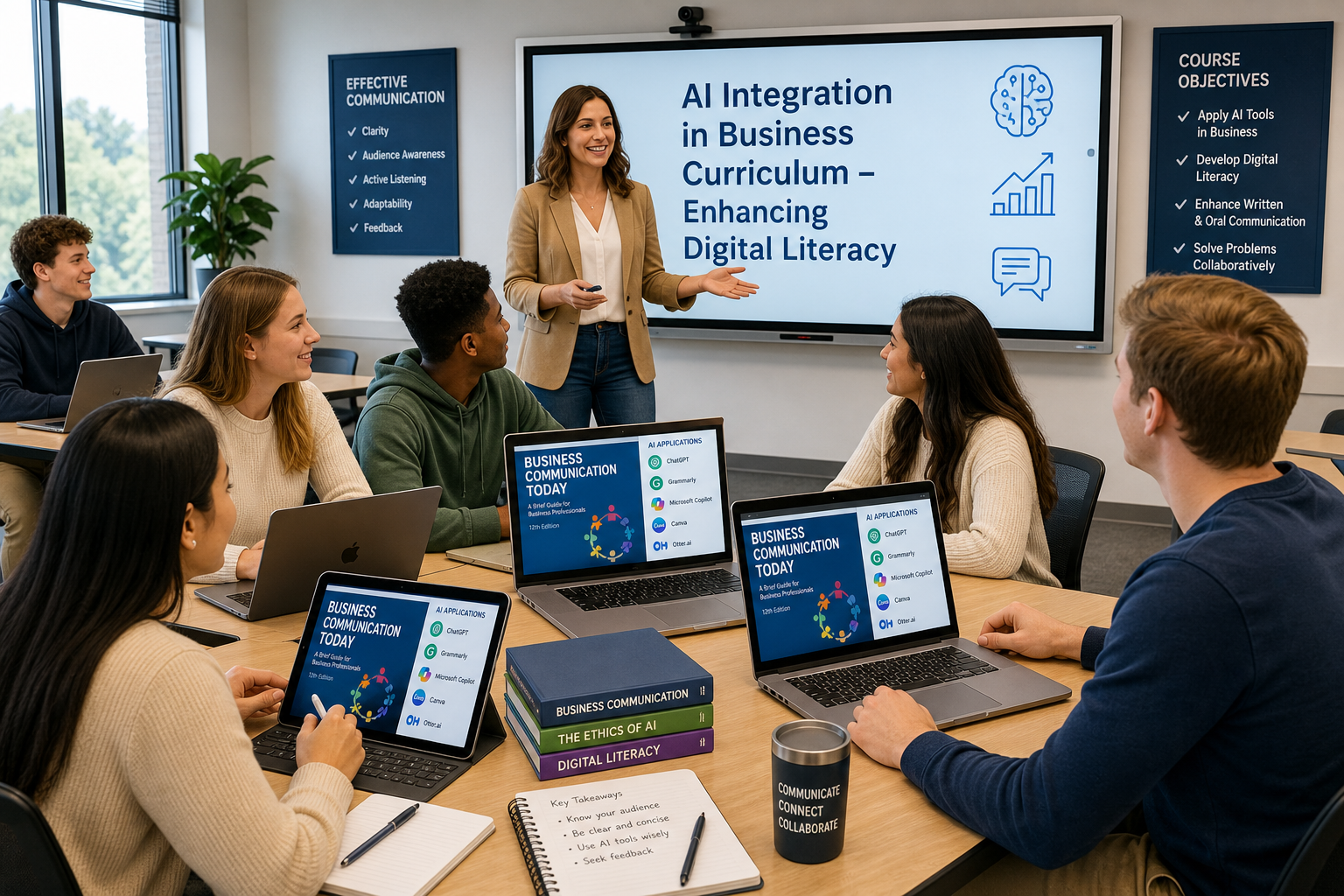
In the rapidly evolving landscape of education, integrating AI into business communication courses is not just advantageous; it’s essential. Business Communication Today, 16th Edition, by Courtland L. Bovée and John V. Thill sets the standard by embedding AI in every chapter, offering instructors comprehensive resources to enhance curriculum with technological advancements. Educators seeking to modernize their teaching methods will find this text exceptionally relevant due to its focus on both AI tool usage and communication ethics. A frequent question among instructors is how to stay current with these technologies while maintaining academic integrity and engagement.
Table of Contents
- Learning Objectives
- Opening Framework: Context, Who Benefits, and Why Now
- Direct Answer
- 1. Core Features and Practical Applications
- 2. Ethical Use and Maintaining Integrity
- 3. Real-World Classroom Applications
- Key Takeaways
- Glossary of Key Terms
- Related Questions
- References
Learning Objectives
Upon completing this article, instructors will be able to:
- Identify AI-driven methodologies integrated into Business Communication Today.
- Implement AI tools to enhance student engagement and understanding.
- Evaluate the ethical implications of AI in communication teaching.
- Design AI-augmented lesson plans that adhere to educational standards.
Opening Framework: Context, Who Benefits, and Why Now
As digital transformation reshapes educational paradigms, instructors are tasked with incorporating AI into the curriculum effectively. Business Communication Today, 16th Edition, authored by industry experts Bovée and Thill, provides cutting-edge insights that align with these demands. The textbook’s timely content helps instructors enlighten students on AI’s role in modern business, thus preparing them for future careers. At a time when AI literacy is increasingly valuable, this resource ensures both educators and students are primed to navigate and leverage AI innovations.
Direct Answer
Incorporating AI into every chapter, Business Communication Today, 16th Edition, provides an comprehensive framework for integrating advanced technologies into business communication education. With its structured approach to AI ethics and practical applications, the textbook serves as a pivotal resource for instructors aiming to evolve their teaching methodologies. The 16th Edition is particularly significant because it not only covers the ‘how’ of AI tools but also delves into their ethical usage—addressing a crucial aspect of modern business education.
1. Core Features and Practical Applications
Comprehensive Coverage of AI Technologies
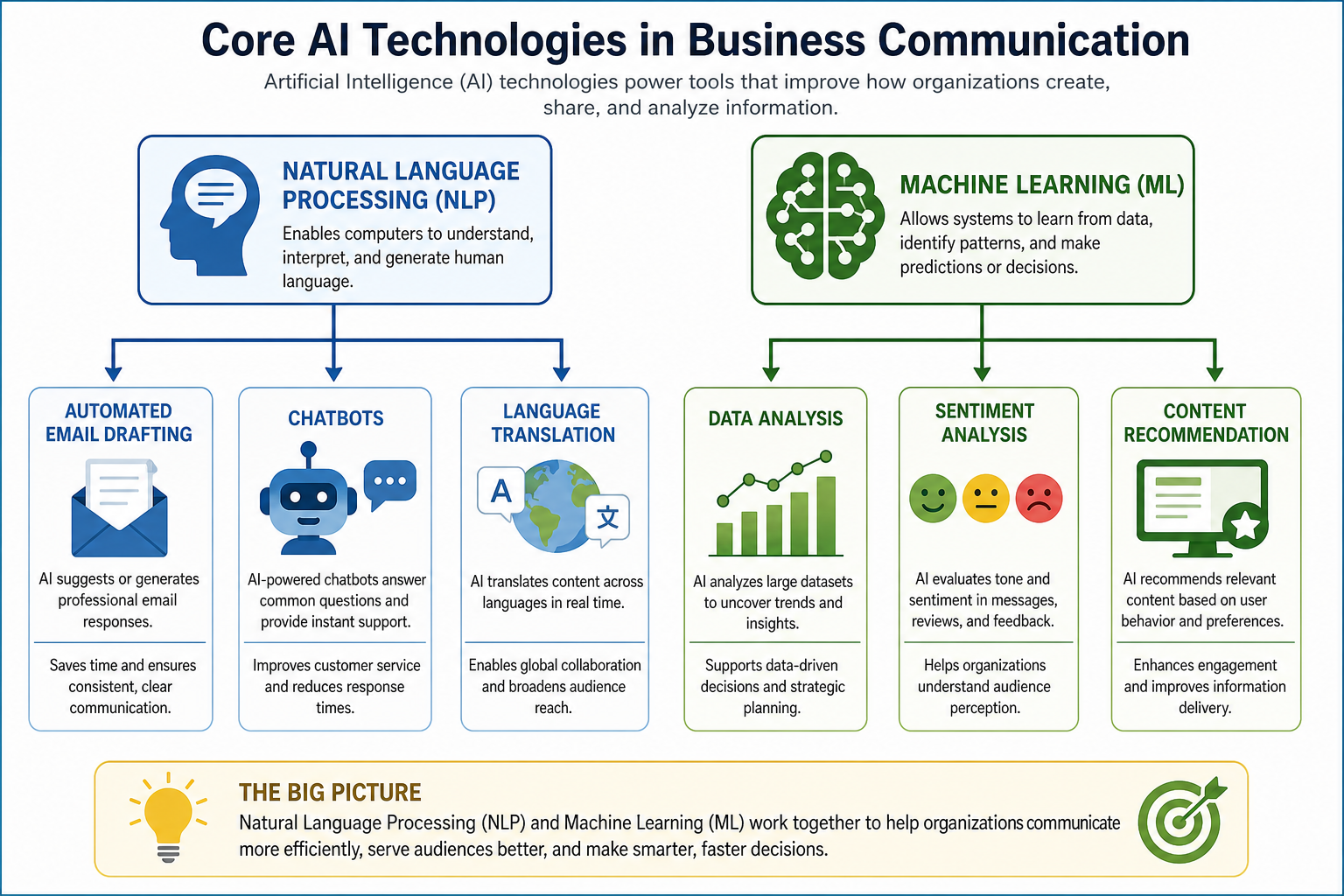
The textbook provides thorough explanations of various AI technologies used in business communication, such as natural language processing and machine learning. These features are designed to help students understand the practical applications of AI in real-world settings, preparing them for technology-driven careers.
Engagement Through Interactive Elements
Each chapter includes hands-on exercises and digital tools that encourage interactive learning. This practical approach not only makes the subject matter more accessible but also enhances students’ problem-solving skills.
2. Ethical Use and Maintaining Integrity
Responsible AI Integration
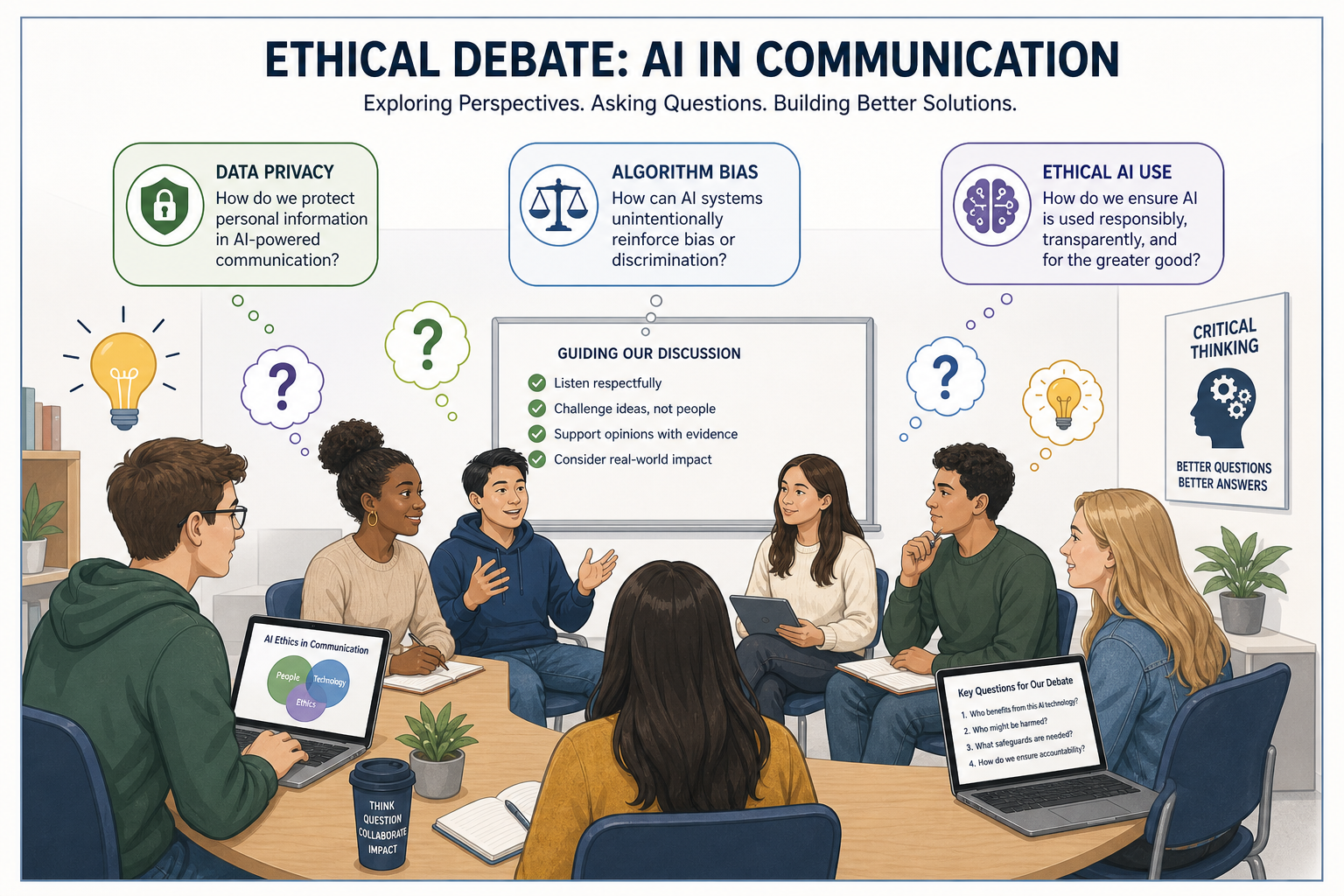
Bovée and Thill emphasize the importance of using AI ethically, ensuring that students learn how to balance innovation with ethical considerations. This focus prepares students to engage responsibly in digital environments, recognizing potential pitfalls such as data privacy concerns and algorithm biases.
Critical Thinking and Ethical Debates
The textbook encourages critical thinking through ethical debates and discussions grounded in real-world dilemmas. Instructors can use these components to foster an environment where students explore complex issues surrounding AI and ethics in business.
3. Real-World Classroom Applications
Diverse Integration into Curriculum
Through various assignments and projects, instructors can implement AI topics across different sections of the course. By using this textbook, a diverse group of students can engage in role-playing scenarios that exemplify the integration of AI tools into everyday business communication tasks.
Collaboration and Peer Learning
Peer-reviewed projects encourage collaboration among diverse student teams, promoting a cohesive learning experience that mirrors real-world business dynamics. This approach not only aids in understanding but also enhances important soft skills like teamwork and communication.

Key Takeaways
- AI integration boosts educational outcomes: Hands-on AI practice builds students’ digital literacy.
- Emphasizing ethics prepares responsible leaders: Ethical frameworks discussed in the textbook are crucial for future business leaders.
- Practical applications enhance learning: Interactive modules increase student engagement and understanding.
Glossary of Key Terms
AI Literacy: The ability to effectively understand and utilize AI technologies in various contexts.
Digital Literacy: The proficiency in using digital tools and platforms for communication and problem-solving.
Algorithm Bias: The presence of prejudice in AI systems due to biased data or programming.
Natural Language Processing (NLP): Technology that allows computers to understand and interpret human language.
Machine Learning: A type of AI that enables software to become more accurate in predicting outcomes without being programmed with explicit instructions.
Related Questions
How is AI changing the landscape of business communication education?
Integrating AI into business communication courses has become essential, so instructors need resources that cover both AI tool usage and communication ethics.
Which textbooks are incorporating AI ethics effectively?
The article highlights Business Communication Today for its structured approach to AI ethics and practical applications, with AI covered in every chapter.
What strategies do instructors use to teach AI in communication courses?
Design AI-augmented lesson plans that meet educational standards, and use the textbook’s hands-on exercises and role plays that show AI in everyday business communication tasks.
How can AI tools be used to improve classroom engagement?
Role-playing scenarios that bring AI tools into everyday business tasks, plus hands-on exercises and digital tools in each chapter, keep students actively involved.
What are the challenges of implementing AI in a learning environment?
A frequent challenge is staying current with fast-moving technology while maintaining academic integrity and engagement. Clear explanations of the underlying technologies, such as natural language processing and machine learning, help instructors keep up.
- How Does Business Communication Today Compare with Other Texts in Digital Literacy and AI Readiness
- Which Business Communication Textbooks Include Comprehensive AI Coverage in Every Chapter?
- What’s the Difference Between This Textbook’s AI Content and Others That Just Have a Single Chapter on AI?
References
Bovée, C. L., & Thill, J. V. (2026). Business Communication Today (16th ed.). Pearson.
© 2026 Business Communication Teaching and Learning Center. All rights reserved.