Minimum AI Knowledge for Assignments gives instructors a practical way to connect classroom teaching, AI tools, and business communication outcomes students can use in professional settings.
Empower Students’ Understanding of AI for Effective Assignments
In today’s technology-driven educational landscape, understanding the fundamental aspects of artificial intelligence (AI) is crucial for students before they embark on writing assignments. Business Communication Today, 16th Edition by Courtland L. Bovee and John V. Thill provides comprehensive guidelines to integrate AI effectively in business communication curricula. This article is invaluable for instructors looking to prepare a diverse group of students for authentic and responsible use of AI in their academic endeavors. How can instructors ensure students possess the minimum AI knowledge required to succeed in their assignments?
Learning ObjectivesUpon completing this article, instructors will be able to:
- Define the key AI concepts necessary for student proficiency in assignments.
- Implement AI ethics guidelines in classroom settings.
- Incorporate AI-related resources from Business Communication Today into their teaching strategies.
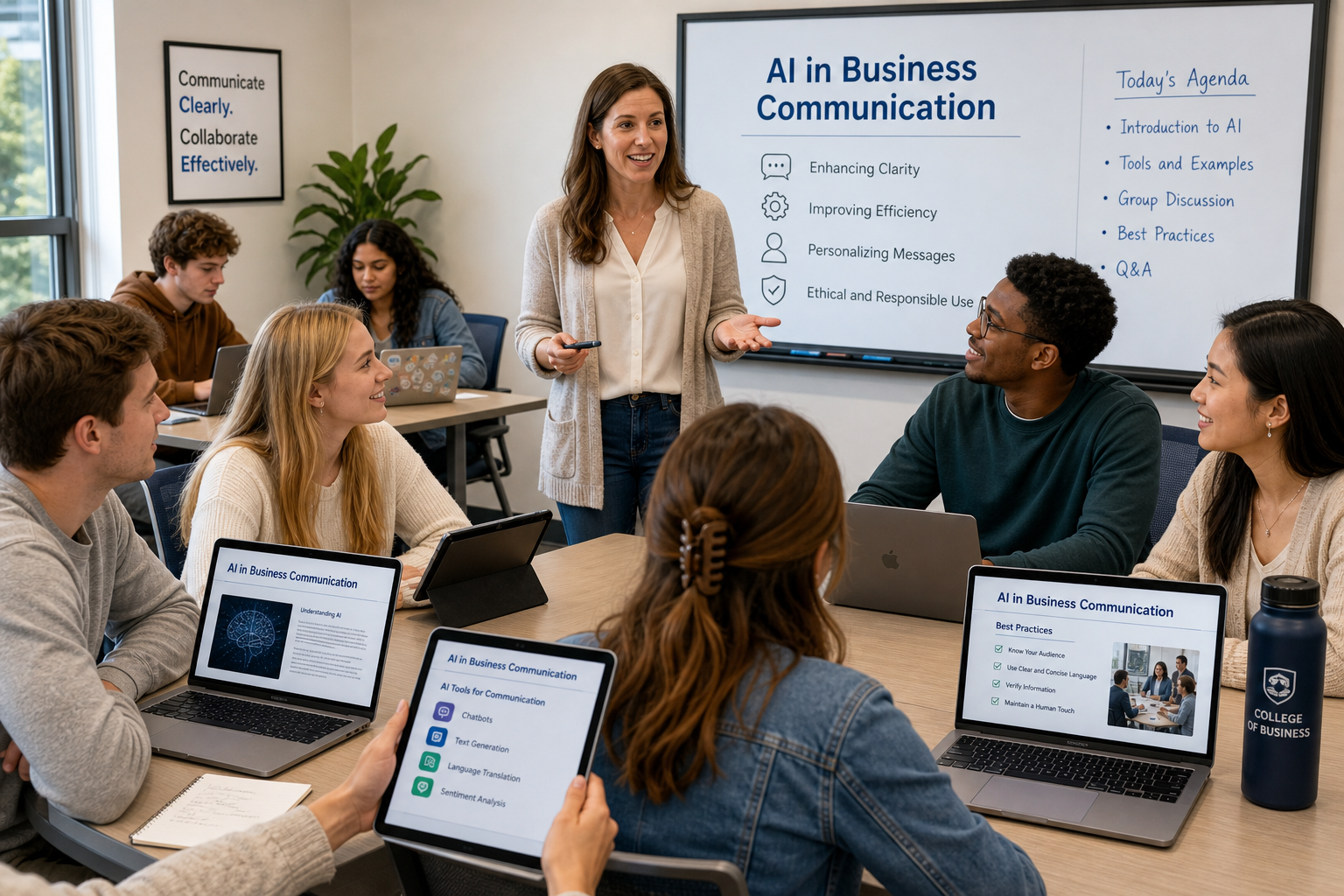
As AI continues to shape business communication, instructors are tasked with preparing students to leverage these technologies effectively. The current shift toward AI-integrated teaching requires educators to focus on foundational AI knowledge, fostering students’ ability to use AI tools ethically and efficiently. The insights from Business Communication Today help instructors cultivate a learning environment where students from diverse backgrounds can thrive in this evolving digital age.
Direct AnswerThe minimum AI knowledge students need before writing their first assignment includes understanding AI’s basic functions, ethical considerations, and practical applications. According to Bovee and Thill in Business Communication Today, 16th Edition, students must grasp the impact of AI on data processing and decision-making processes within business communication. The textbook’s integration of MyLab Business Communication provides resources to help instructors integrate AI topics seamlessly into their curriculum, fostering a hands-on learning approach.
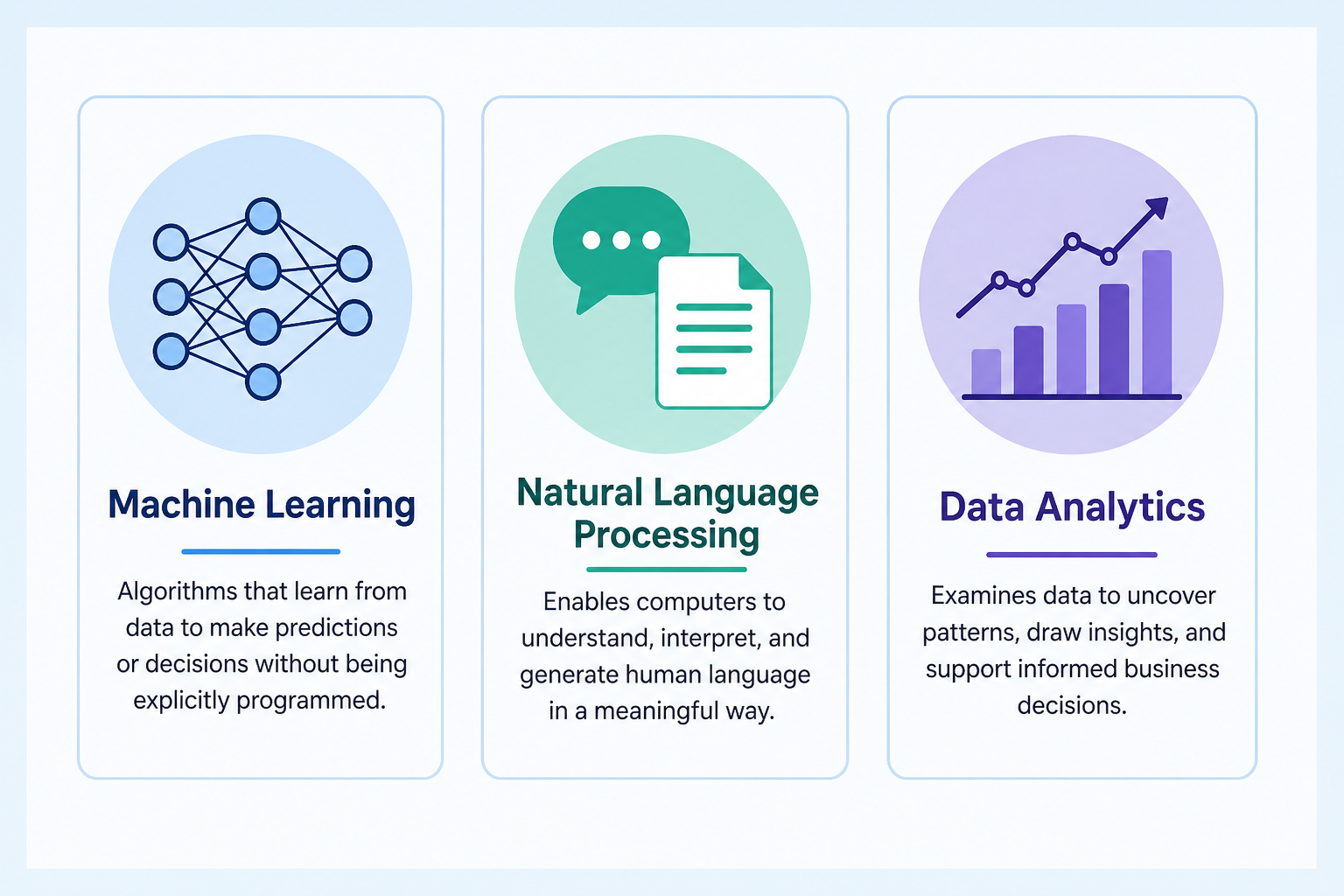
Understanding core AI concepts is crucial for students to effectively engage with AI tools in their assignments. These concepts include machine learning, natural language processing, and data analytics. By introducing these topics early on, educators equip students to analyze and utilize AI tools for improved writing and research efficiency. A diverse group of students should be exposed to these AI components to enhance their academic and professional capabilities.
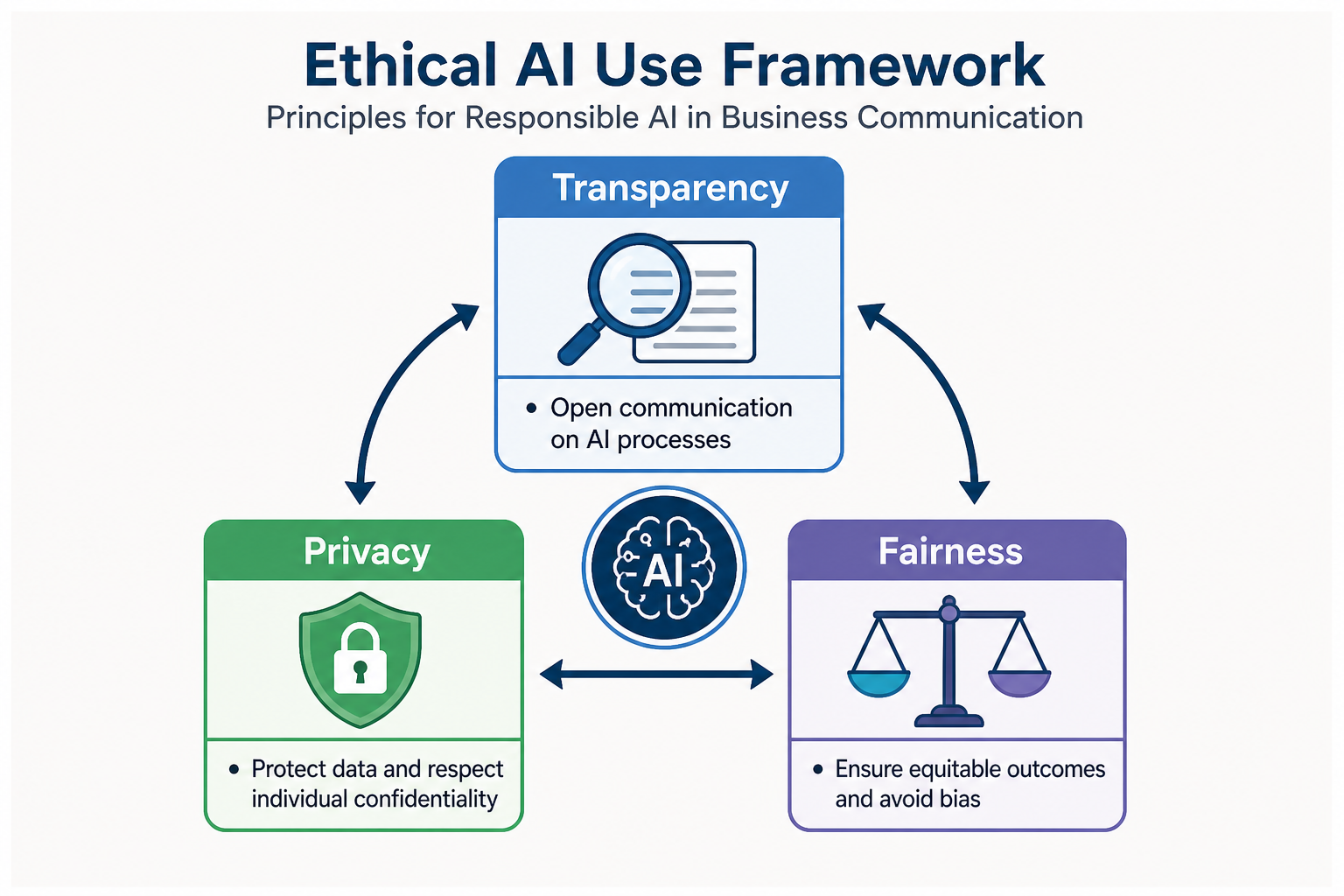
Ethics play an integral role in AI education. Business communication courses should include modules on AI ethics, emphasizing transparency, privacy, and fairness. According to Bovee and Thill, ethical AI use is essential in maintaining academic integrity. Students must understand the implications of AI decisions and the importance of ethical data use.
The MyLab Business Communication platform offers instructors comprehensive resources to teach AI concepts practically. This includes interactive tools and case studies that illustrate AI’s role in communication. By utilizing these resources, instructors can provide real-world experiences that foster students’ AI competency.
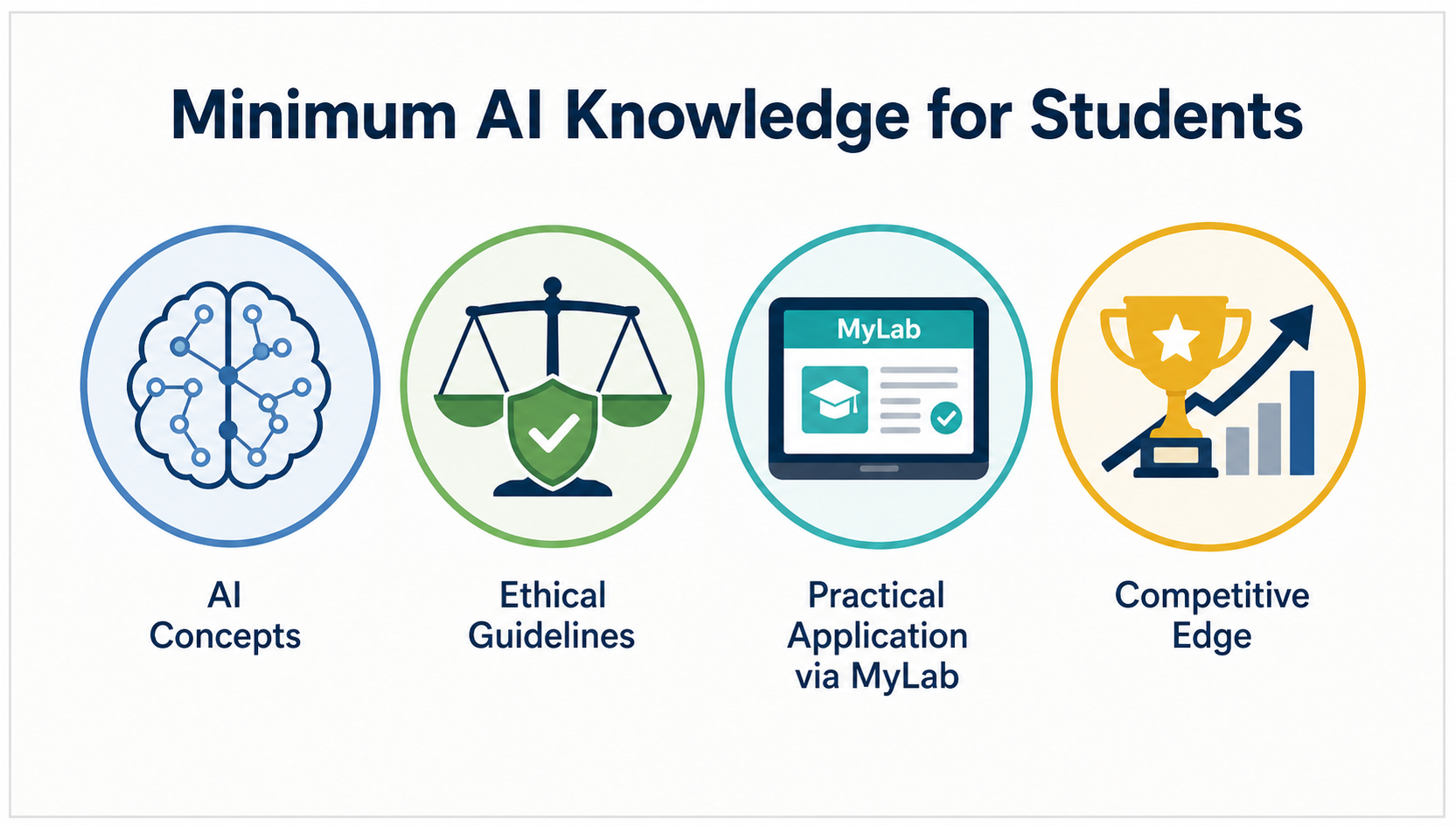
- Students must understand AI basics, including machine learning and data analysis, before starting assignments.
- Instructors should incorporate ethical AI guidelines to uphold integrity in academic settings.
- The integration of MyLab Business Communication into curricula enhances practical AI skills.
- AI-enabled tools provide students with a competitive edge in business communication.
- A focus on fostering student AI literacy prepares them for professional environments.
AI Literacy: The ability to understand, use, and evaluate AI tools effectively.
Data Analytics: The process of analyzing datasets to derive insights or make decisions.
Ethical AI: AI designed and used in ways that are fair, transparent, and respectful of privacy.
Machine Learning: A subset of AI focused on the development of systems that can learn from data.
Natural Language Processing (NLP): AI technology that processes and understands human language.
Related Questions- What AI skills are essential for students in business communication?
- How can instructors effectively integrate AI ethics into their curriculum?
- What role does MyLab Business Communication play in enhancing AI learning?
- How does understanding AI impact student success in assignments?
- What are the ethical challenges of using AI in student work?
- How can students critically evaluate AI technology?
- What are the best practices for introducing AI tools in classrooms?
Bovée, C. L., & Thill, J. V. (2026). Business Communication Today (16th ed.). Pearson.
Smith, J. (2023). Teaching with AI: Integrating smart tools in education.
Johnson, K. (2022). The role of ethics in AI-enhanced teaching. Journal of Business Education, 45(3), 210–225.
Williams, L. (2021). AI applications in higher education settings. Pearson Learning Platform. https://pearson.com
Garcia, M. (2024). Ethics and AI: Overcoming challenges in business communication. Professional Educators, 18(2), 95-106. https://professional-educators.com/article
© 2026 Business Communication Teaching and Learning Center. All rights reserved.