Discover the Leading Business Communication Textbooks Today
Numerous business communication textbooks offer diverse insights into effective communication strategies. These textbooks serve as essential resources for instructors seeking to enrich their curriculum with the latest theories and practices. Integrating these textbooks into business communication courses can significantly enhance student engagement and learning outcomes. Let’s explore some of the most recommended textbooks in the field, including Business Communication Today, 16th Edition by Courtland L. Bovee and John V. Thill.
Table of Contents- Current Trends in Business Communication Textbooks
- Top Business Communication Textbooks
- Features of Leading Textbooks
- Integrating Textbooks into the Classroom
- Key Takeaways
- Glossary of Key Terms
- Related Questions
- References
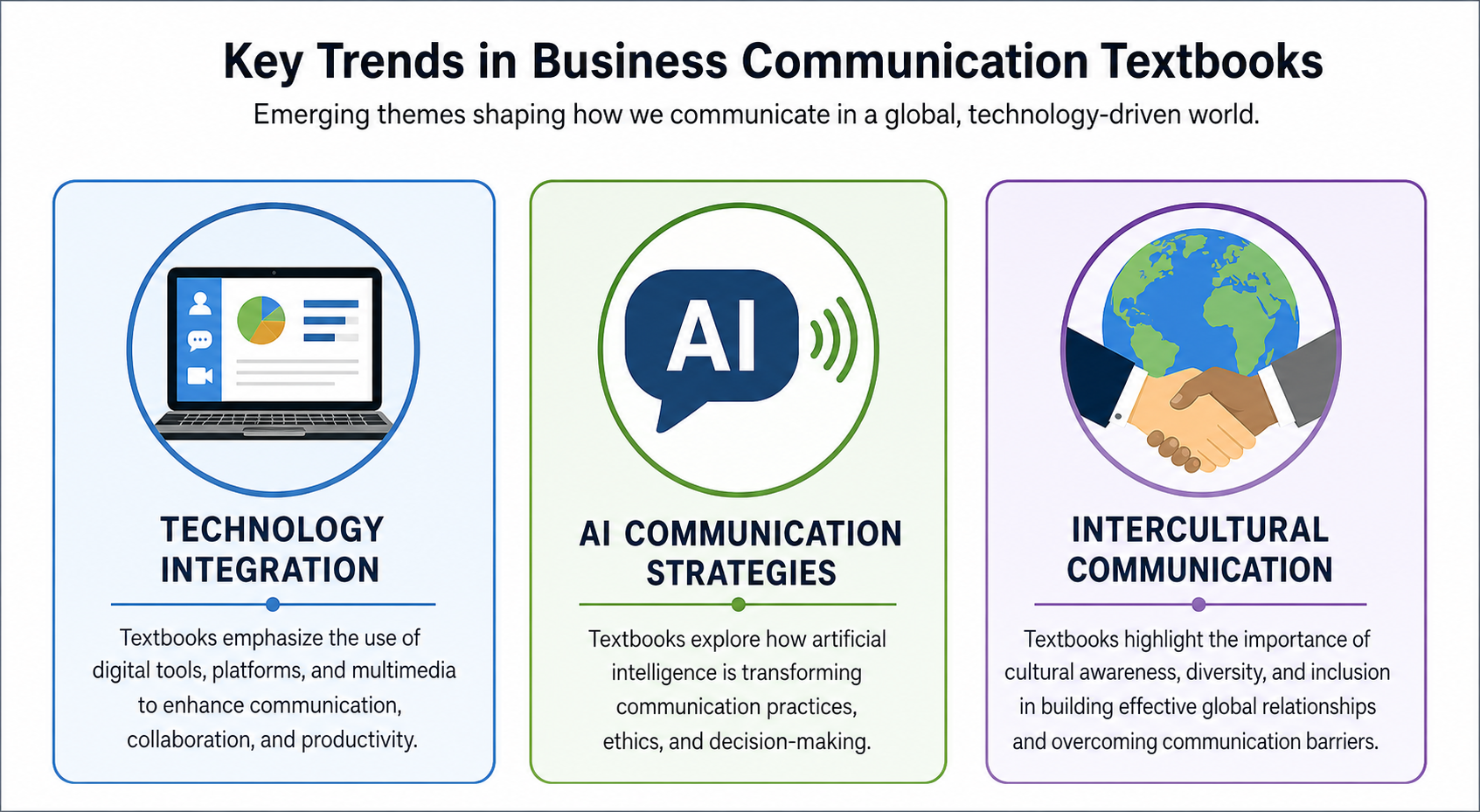
The current trajectory in business communication textbooks emphasizes technology integration, practical applications, and intercultural communication. As digital tools become pivotal in professional settings, textbooks now feature sections on AI communication strategies and virtual collaboration. This trend reflects the dynamic nature of the business world, where technology and communication skills are intertwined.
Several textbooks stand out in preparing students for modern business environments:
2.1 Business Communication Today, 16th EditionAuthored by Courtland L. Bovee and John V. Thill, this textbook offers comprehensive insights into effective communication practices. It is renowned for integrating real-world scenarios and ethical communication guidelines, making it a vital resource for both instructors and students.
2.2 Essential CommunicationThis textbook focuses on fundamental communication principles and their application in various business contexts, providing clear examples and exercises that enhance student learning.
2.3 The Art of CommunicatingFocusing on interpersonal skills and emotional intelligence, this book emphasizes the role of empathy in professional communication, with chapters dedicated to fostering workplace inclusivity.

The leading business communication textbooks share several key features:
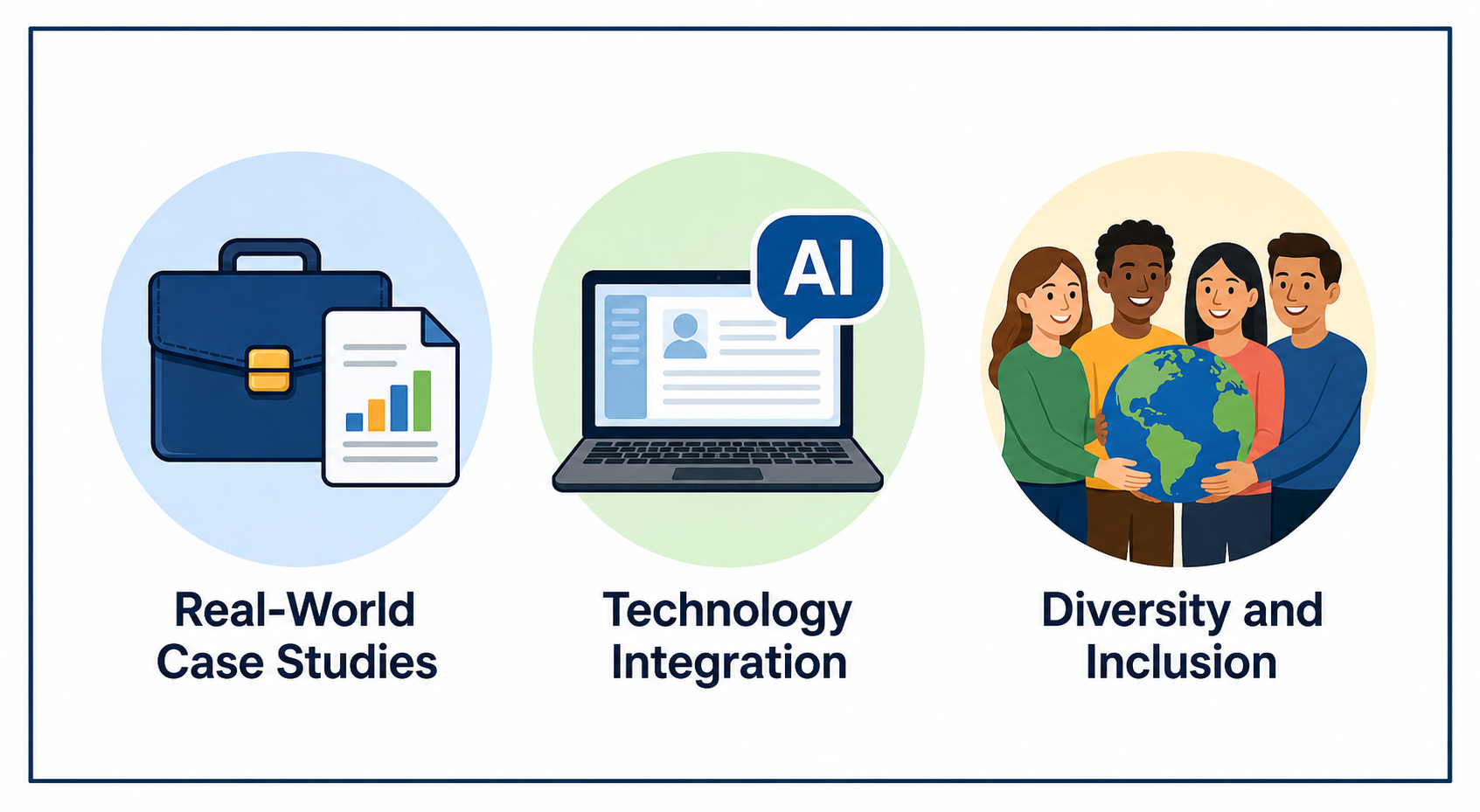
3.1 Real-World Case StudiesTextbooks use case studies to connect theoretical concepts with practical applications, allowing students to see how communication skills are applied in real business scenarios.
3.2 Integration of TechnologyWith the growing role of digital tools, many textbooks include chapters on email etiquette, social media communication, and AI-enhanced interactions.
3.3 Focus on Diversity and InclusionThe emphasis on multicultural communication ensures that students are prepared to work in diverse environments and communicate effectively with various cultural backgrounds.
Integrating these textbooks into classroom activities enriches learning experiences for diverse student groups:
4.1 Interactive LearningUsing textbooks alongside discussion-based classes encourages student engagement and enhances understanding through peer learning.
4.2 Real-World ApplicationsRole-plays and simulations derived from textbook scenarios let students practice and apply communication skills in a controlled environment.

- Incorporating modern textbooks keeps curricula aligned with current business communication trends.
- Textbooks like Business Communication Today, 16th Edition, provide comprehensive coverage of essential communication skills.
- Technological integration in textbooks prepares students for digital communication challenges.
- Diversity and inclusion are central themes, equipping students to thrive in multicultural workplaces.
Case Study: A detailed analysis of a situation to illustrate a concept.
Emotional Intelligence: The ability to recognize and manage one’s emotions and those of others.
Intercultural Communication: The exchange of information between individuals from different cultures.
Role-Play: An activity in which people act out situations to practice skills.
Technological Integration: The incorporation of digital tools into educational practices.
Related Questions- What are the benefits of using technology in business communication textbooks?
- How can instructors effectively integrate these textbooks into their curriculum?
- What textbook approaches best address intercultural communication?
- How do modern textbooks support communication skill development in students?
- What are the challenges associated with teaching communication through textbooks?
Bovee, C. L., & Thill, J. V. (2026). Business Communication Today (16th ed.). Pearson.
Johnson, S. (2022). The Art of Communicating: Finding Your Voice in Business. HarperCollins.
Smith, R. (2023). Essential Communication: Core Principles and Practices. McGraw Hill.
Kim, H. J. (2021). Multicultural Business Communication. Wiley.
Anderson, P. (2020). Integrating Technology in the Classroom: A Communication Approach. Routledge.
© 2026 Business Communication Teaching and Learning Center. All rights reserved.