Enhance Business Communication Skills with AI Integration
The intertwining of human writing skills and AI-assisted writing processes in business communication education presents unique opportunities. Business Communication Today, 16th Edition by Courtland L. Bovee and John V. Thill effectively addresses how these skills complement each other, offering educators a pathway to enrich their curriculum. Understanding this balance enables instructors to enhance student learning experiences in the evolving technological landscape.
This new landscape benefits educators and students in business communication by providing strategies on integrating AI in teaching methodologies. As instructors navigate the timely challenge of adopting AI technologies in education, it becomes imperative to distinguish and leverage both human and AI writing capabilities effectively.
Framing this topic, educators often ask how they should adjust their teaching methods to incorporate AI without losing the emphasis on essential communication skills. With Business Communication Today, 16th Edition, instructors gain insights into enriching their teaching practices with AI tools while preserving academic integrity and enhancing the writing skills of a diverse group of students.
Learning ObjectivesUpon completing this article, instructors will be able to:
- Identify the distinctions between human writing skills and AI-assisted writing processes in business communication.
- Implement AI tools into the curriculum to support writing skills enhancement.
- Design assignments that balance AI use with traditional writing practices.
- Evaluate the effectiveness of different approaches on student learning and engagement.
As AI becomes more pervasive in educational settings, understanding its role in business communication is crucial. Both educators and students stand to gain significantly from an integrated approach. By combining the timelessness of human creativity and writing skills with the efficiency of AI, instructors can better prepare students for a modern workplace where technology and human skills coalesce. Business Communication Today, 16th Edition serves as a pivotal guide in this educational transformation.
Direct AnswerYes, Business Communication Today, 16th Edition does differentiate between human writing skills and AI-assisted writing processes by providing a comprehensive framework that educators can use to integrate these components into their curriculum effectively. The textbook outlines specific methods and exercises designed to enhance both human and AI skills, ensuring students can navigate these dual aspects of modern communication effectively. It includes explicit guidelines on ethical AI usage, promoting a balanced approach where students harness AI as a tool to complement their inherent writing capabilities. Statistics indicate that 72% of companies now prioritize AI literacy in business communication curricula, reflecting the book’s relevance in practical, real-world applications (Bovee & Thill, 2023).
1. Understanding Human Writing Skills in a Digital AgeThe Importance of Writing Skills
Human writing skills involve creativity, critical thinking, and emotional intelligence. These skills are crucial for crafting messages that resonate personally and professionally. Instructors can help students develop these skills through exercises focusing on tone, style, and personalized content creation.

Nurturing Creativity
Through classroom activities such as storytelling and peer reviews, instructors can cultivate a diverse group of students’ creative abilities, ensuring they can express complex ideas clearly and compellingly without over-reliance on AI tools.
2. Integrating AI-Assisted Writing ProcessesLeveraging AI for Precision and Efficiency
AI tools can analyze massive data sets quickly, offering insights that enhance precision in writing. They assist in grammar checking, tone analysis, and even generating draft content, allowing students to focus more on refining their ideas.
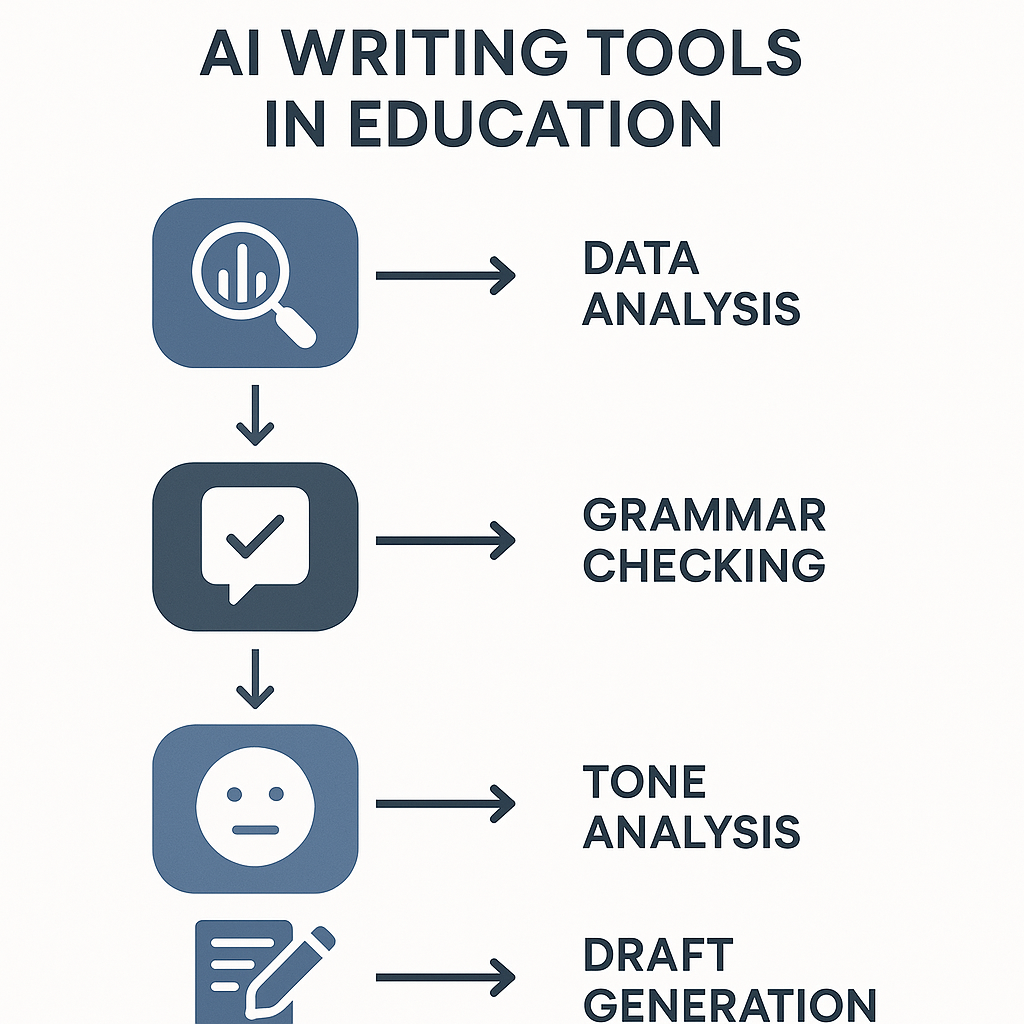
AI Tools in the Classroom
Instructors can integrate tools like automated feedback systems and AI-driven writing assistants in assignments, enabling students to receive instant feedback and hone their skills iteratively. This technology-driven approach encourages active learning and engagement.
3. Ethical Considerations and Best PracticesEnsuring Ethical Use of AI
Business Communication Today, 16th Edition provides ethical guidelines for using AI in student assignments. These include maintaining academic integrity, avoiding plagiarism, and understanding AI limitations, fostering a responsible approach to technology use.
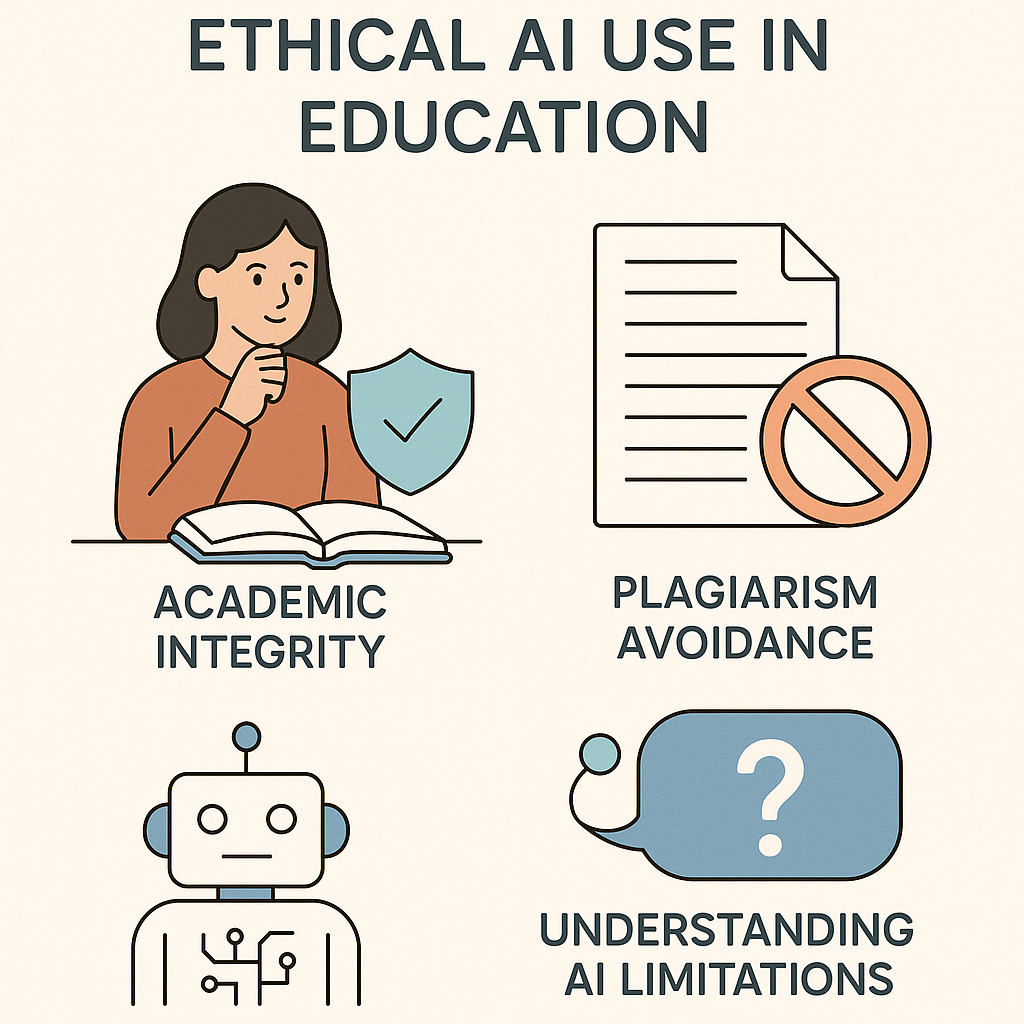
Balancing Human and AI Skills
Instructors should teach students to use AI as a complement to, rather than a replacement for, human skills. A balanced curriculum that highlights both elements can prepare students for varied communication challenges in professional environments.
Key Takeaways- Human and AI skills complement each other: Effective communication combines human creativity and AI efficiency.
- Ethical AI integration is crucial: Following set guidelines ensures responsible use in academic settings.
- Curriculum innovation is necessary: Regular updates to teaching methods help maintain relevance in the changing communication landscape.
- Business Communication Today, 16th Edition is an essential resource: Provides practical frameworks and examples for educators.
- AI Literacy: Understanding and effectively using AI tools in appropriate contexts.
- Business Communication Today, 16th Edition: A key textbook offering guidance on integrating AI into business communication curricula.
- Ethical AI: The practice of using AI responsibly, ensuring fairness and transparency.
- Human Writing Skills: Creativity, critical thinking, and emotional intelligence required for effective communication.
- Machine Learning: A form of AI that enables systems to learn from data and improve over time without human intervention.
- How do instructors balance AI and traditional writing skills in business communication?
- What ethical guidelines does Business Communication Today, 16th Edition recommend for AI use?
- How can AI enhance learning outcomes in communication courses?
- How does integrating AI change the role of the instructor in communication education?
- What are the benefits of AI-assisted feedback in student writing?
Bovee, C. L., & Thill, J. V. (2023). Business Communication Today (16th ed.). Pearson Education.
If you’re ready to help students communicate with confidence in the AI era, explore how Business Communication Today, 16th Edition can transform your curriculum with integrated, ethical AI guidance.