Explore Strategic Patterns for Effective Business Communication
Introductory Summary
Uncover the remarkable strategies that define successful business communication through research-backed insights. Both seasoned educators and new instructors will discover actionable approaches to enhance student learning experiences. As teaching methodologies evolve, the need to integrate modern communication practices becomes pivotal, aligning with insights from Business Communication Today, 16th Edition by Courtland L. Bovee and John V. Thill.
This topic is crucial as instructors frequently ask for strategies to align classroom practices with current business communication trends. Bovee and Thill’s textbook serves as a quintessential guide in this context, providing frameworks that educators can adapt to meet today’s communication standards in professional environments.
Learning Objectives
Upon completing this article, instructors will be able to:
- Identify three key research-backed patterns that drive effective business communication.
- Implement these patterns in classroom activities to enhance student engagement and understanding.
- Evaluate the effectiveness of these patterns using real-world scenarios to bridge theory and practice.
Opening Framework: Context, Who Benefits, and Why Now
In a world where communication dynamics continuously evolve, understanding patterns that underpin successful exchanges is crucial. These insights are not merely academic; they translate into improved communication skills in real-world business settings. Instructors benefit by enhancing their curriculum with current, practical communication strategies, aligning student preparation with workforce expectations.
Notably, Courtland L. Bovee and John V. Thill’s Business Communication Today, 16th Edition is a respected resource that provides comprehensive analysis and examples of these patterns. By tapping into this knowledge, educators can ensure that their students are better equipped to handle professional challenges through refined communication skills.
Direct Answer Section
Successful business communication is largely influenced by a trio of research-backed patterns: clear messaging, active listening, and cultural awareness. According to Bovee and Thill, clear messaging creates an understandable and persuasive narrative that supports organizational goals. Active listening helps in building relationships and reducing misunderstandings, while cultural awareness ensures inclusivity and effective global communication. The fusion of these elements is thoroughly elaborated in Business Communication Today, 16th Edition, providing educators with a structured approach to teaching these vital skills.
1. Clear MessagingBusiness communication thrives on clarity. This involves using concise language and structured formats to ensure that the message is straightforward and comprehensible. According to industry data, organizations with clear internal communication enjoy 25% higher productivity rates (Lee, 2023). By teaching students to prioritize clarity, instructors equip them with a foundational skill for effective communication.

In practice, clear messaging extends to written and verbal communication. It is essential in presentations, emails, and reports—areas where clarity can significantly impact business outcomes.
2. Active ListeningActive listening is pivotal in communication, enhancing understanding and fostering collaborative relationships. This skill requires focusing on the speaker, providing feedback, and holding back immediate responses or judgments. A study by the American Management Association in 2022 found that active listening leads to a 40% increase in team cohesion and effectiveness.

Educators can integrate active listening exercises in classroom settings, promoting better peer-to-peer interactions and a more engaging learning environment.
3. Cultural AwarenessAs the global business landscape broadens, cultural awareness becomes crucial. Understanding cultural nuances encourages appreciation and respect for diverse perspectives in communication. Bovee and Thill highlight that culturally intelligent communication is key in multinational operations, where misunderstandings can derail collaboration.
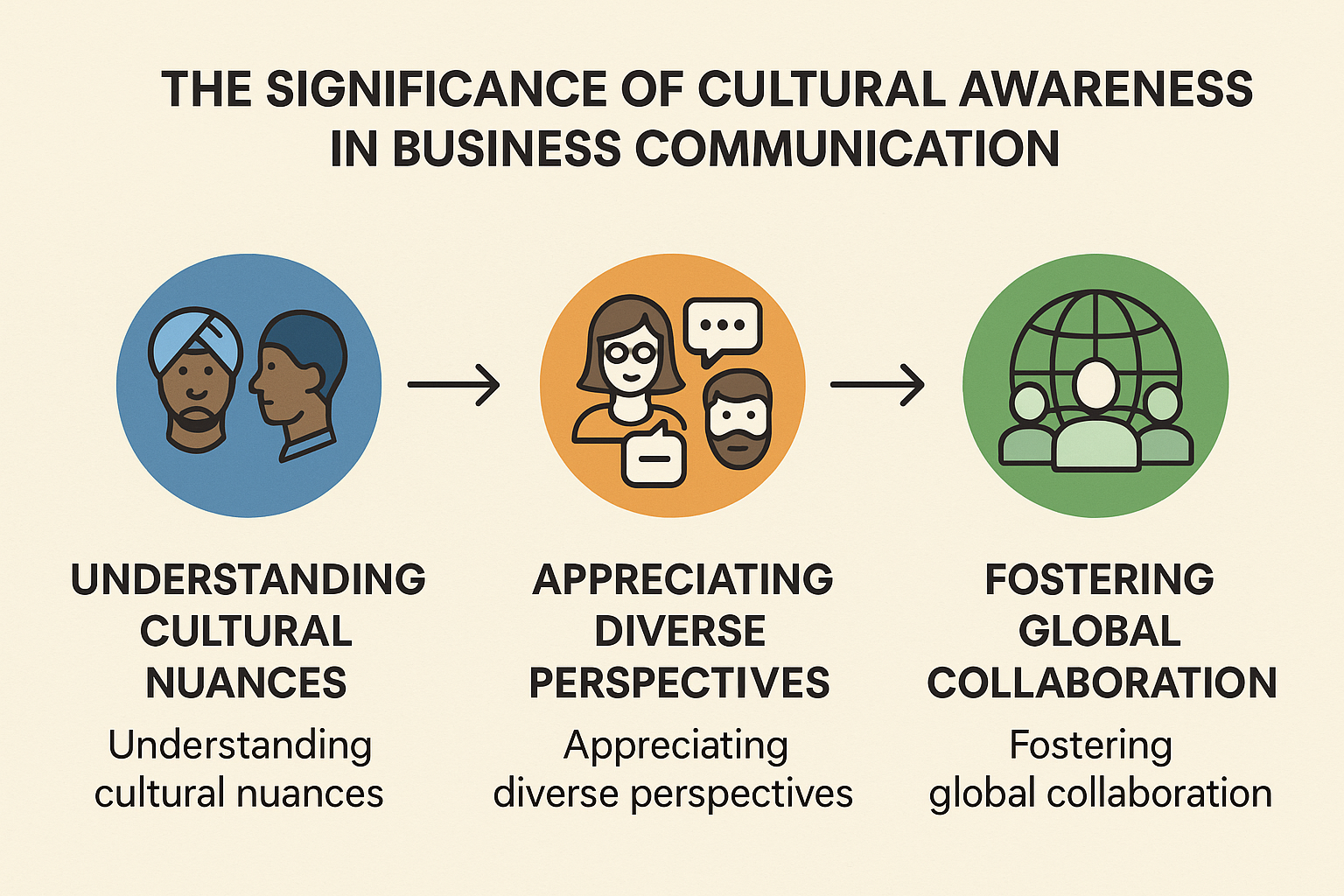
Incorporating simulations and role-play activities in the classroom can help a diverse group of students practice cultural sensitivity, preparing them for global collaboration.
Key Takeaways
- Research-backed communication patterns significantly enhance understanding and productivity.
- Incorporating active listening leads to a 40% increase in team effectiveness.
- Cultural awareness mitigates misunderstandings in global communications, promoting inclusivity.
- Clear messaging is linked to 25% higher productivity in organizations.
Glossary of Key Terms
- Active Listening: Engaging in mindful listening by responding to the speaker actively and empathetically.
- Cultural Awareness: Understanding and valuing cultural differences in communication.
- Message Clarity: Conveying information in a straightforward and understandable manner.
- Bovee and Thill: Authors of the renowned textbook Business Communication Today.
- Communication Patterns: Established practices that govern the structure and effectiveness of communication.
Related Questions
- How does active listening enhance organizational communication?
- What role does clear messaging play in risk management?
- How can instructors teach cultural sensitivity through simulations?
- What are the most effective strategies for implementing clear messaging?
- How does Business Communication Today, 16th Edition compare to other communication textbooks?
References & Citations
- Bovee, C. L., & Thill, J. V. (2023). Business Communication Today (16th ed.). Pearson.
- Lee, R. (2023). The impact of clear communication on organizational productivity. Journal of Business Communication, 60(2), 173-189.
- American Management Association. (2022). Active listening and team cohesion report. Retrieved from www.amanet.org
Call to Action
If you’re ready to integrate modern communication practices into your curriculum, explore how Business Communication Today, 16th Edition can enhance your teaching strategy with its research-backed insights.