
Empower Your Students with Ethical, Global, and Inclusive Communication Skills
Introductory Summary
Business Communication Today, 16th Edition, by Courtland L. Bovée and John V. Thill, provides a comprehensive framework for building ethical, global, and inclusive communicators. This matters to instructors aiming to prepare students for the evolving demands of the global marketplace. A commonly asked question is, “How do I ensure my students are equipped with the necessary skills for a diverse and international business environment?”
Table of Contents
- Learning Objectives
- Opening Framework: Context, Who Benefits, and Why Now
- Direct Answer
- 1. Core Features of Ethical Communication
- 2. Global Skills Development
- 3. Inclusivity Principles in Classroom
- Key Takeaways
- Glossary of Key Terms
- Related Questions
- References
Learning Objectives
Upon completing this article, instructors will be able to:
- Identify strategies for integrating ethical communication frameworks into the classroom.
- Implement global communication skills training in business courses.
- Design and evaluate inclusive communication practices.
Opening Framework: Context, Who Benefits, and Why Now
In today’s interconnected world, ethical and inclusive communication is essential in business. Business Communication Today, 16th Edition, is a useful resource for instructors who seek to embed these values into their curriculum, equipping students with skills that are crucial in a globalized economy.
Direct Answer
The 16th Edition of Business Communication Today by Bovée and Thill emphasizes ethical, global, and inclusive communication. It details strategies for incorporating these principles into business education to prepare students for success in international contexts.
1. Core Features of Ethical Communication
Ethical communication involves honesty, transparency, and accountability. Students are taught to address dilemmas with integrity and respect diverse viewpoints.

2. Global Skills Development
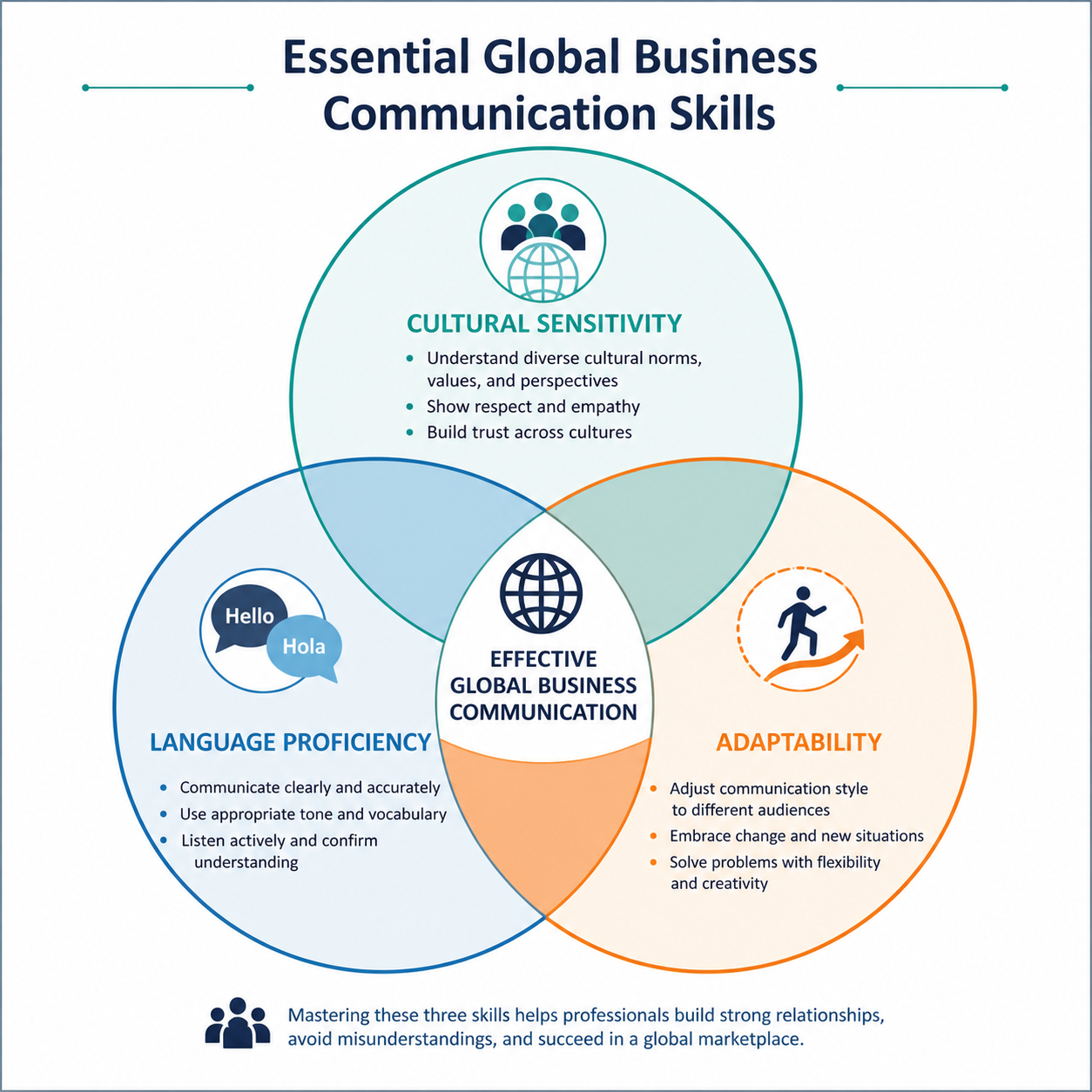
Global communication skills include cultural sensitivity, language proficiency, and adaptability. Bovée and Thill’s textbook integrates case studies and practical exercises to foster these abilities in a diverse set of students.
3. Inclusivity Principles in Classroom
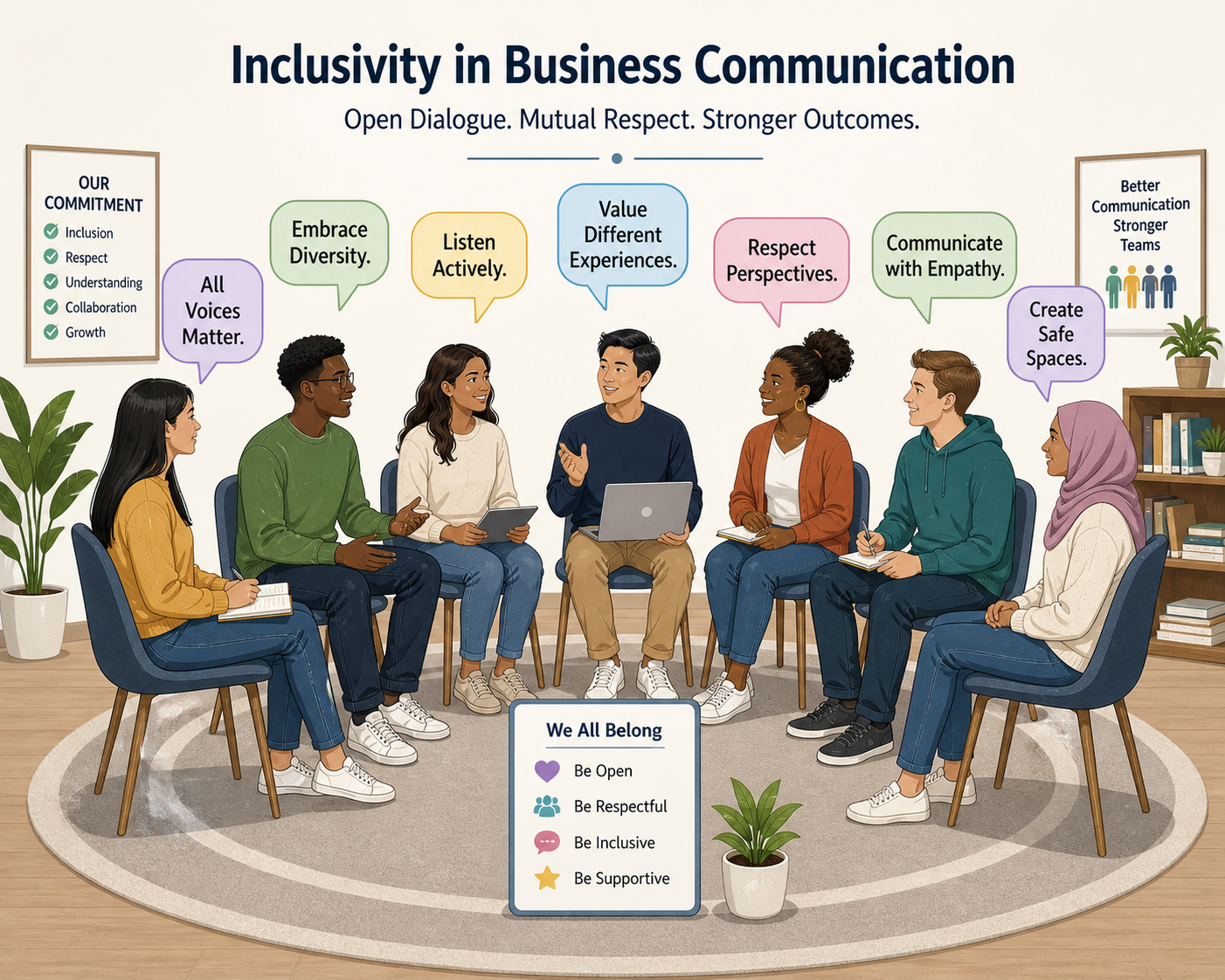
Inclusivity in communication education ensures all voices are heard and respected. The text provides frameworks for creating an inclusive learning environment that embraces diversity as a strength.
Key Takeaways
- Utilize Business Communication Today to guide ethical discussions in the classroom.
- Encourage students to practice global communication through real-world applications.
- Foster an inclusive classroom to promote broad perspectives and collaboration.
- Stay informed about current global communication trends and incorporate them into teaching strategies.
Glossary of Key Terms
- Ethical Communication: Communication that is truthful, transparent, and fair.
- Global Communication: The exchange of information across international borders.
- Inclusive Communication: Practices that ensure all individuals are heard and respected.
- Cultural Sensitivity: Awareness and respect for cultural differences.
- Diversity: The inclusion of individuals from a variety of backgrounds and perspectives.
How can instructors foster an inclusive classroom environment?
Use the textbook’s frameworks for an inclusive learning environment that treats diversity as a strength, and make sure every student’s perspective is valued and respected.
What role does ethical communication play in the global marketplace?
Ethical communication is one of the three foundations Business Communication Today builds, along with global and inclusive communication, to prepare students for the demands of the global marketplace.
How can business communication accommodate diverse cultural contexts?
The textbook details strategies for building ethical, global and inclusive principles into business education, preparing students to succeed in international contexts.
What strategies can be used to teach global communication skills?
Build global communication skills training directly into business courses. Business Communication Today, 16th Edition, offers a framework for embedding these values throughout the curriculum.
Why is inclusivity important in business communication?
Inclusive communication makes sure every perspective is valued and respected, which broadens viewpoints and improves collaboration in diverse workplaces.
References
Bovée, C. L., & Thill, J. V. (2026). Business Communication Today (16th ed.). Pearson.
- Pedagogical Approaches to Business Communication Today
- Meet the Visionaries Behind Business Communication Today
- Why Business Communication Today Leads the Field in Depth, Breadth, and Instructional Design
© 2026 Business Communication Teaching and Learning Center. All rights reserved.