Enhance Your Communication Course with Effective Pedagogical Approaches
Businesses today demand professionals who are adept in communication skills, making it essential for instructors to utilize modern pedagogical approaches. Business Communication Today, 16th Edition, by Courtland L. Bovée and John V. Thill, offers invaluable insights for enhancing educational strategies. Both instructors and students benefit from understanding how the integration of these methodologies can elevate teaching effectiveness and student engagement. A common question posed by educators revolves around the application of these approaches in real-world scenarios.
Learning Objectives
- Recognize pedagogical strategies for effective communication instruction.
- Implement experiential learning techniques in business communication curricula.
- Evaluate the effectiveness of diverse instructional methods on student outcomes.
Opening Framework: Context, Who Benefits, and Why Now
As the business world evolves, educators need to adopt pedagogical approaches that align with industry demands. The emphasis on communication within the corporate environment creates a pressing need for students to gain these skills in innovative ways. Business Communication Today, 16th Edition, provides the tools and approaches that instructors require to prepare a diverse group of students for real-world applications.
Direct Answer
To effectively adopt pedagogical approaches in business communication education, educators should use experiential learning, such as team projects and case-based exercises. These methods, which match the hands-on activities in Business Communication Today, 16th Edition, enhance students’ ability to apply communication theories in practical scenarios.
1. Key Teaching Strategies in Business Communication
Incorporating varied teaching strategies enhances the learning environment. Experiential learning, including simulations and real-world projects, engages students in ways that traditional lectures do not. Active participation helps students retain information more effectively and develop critical management skills.

2. Integrating Technology in the Classroom
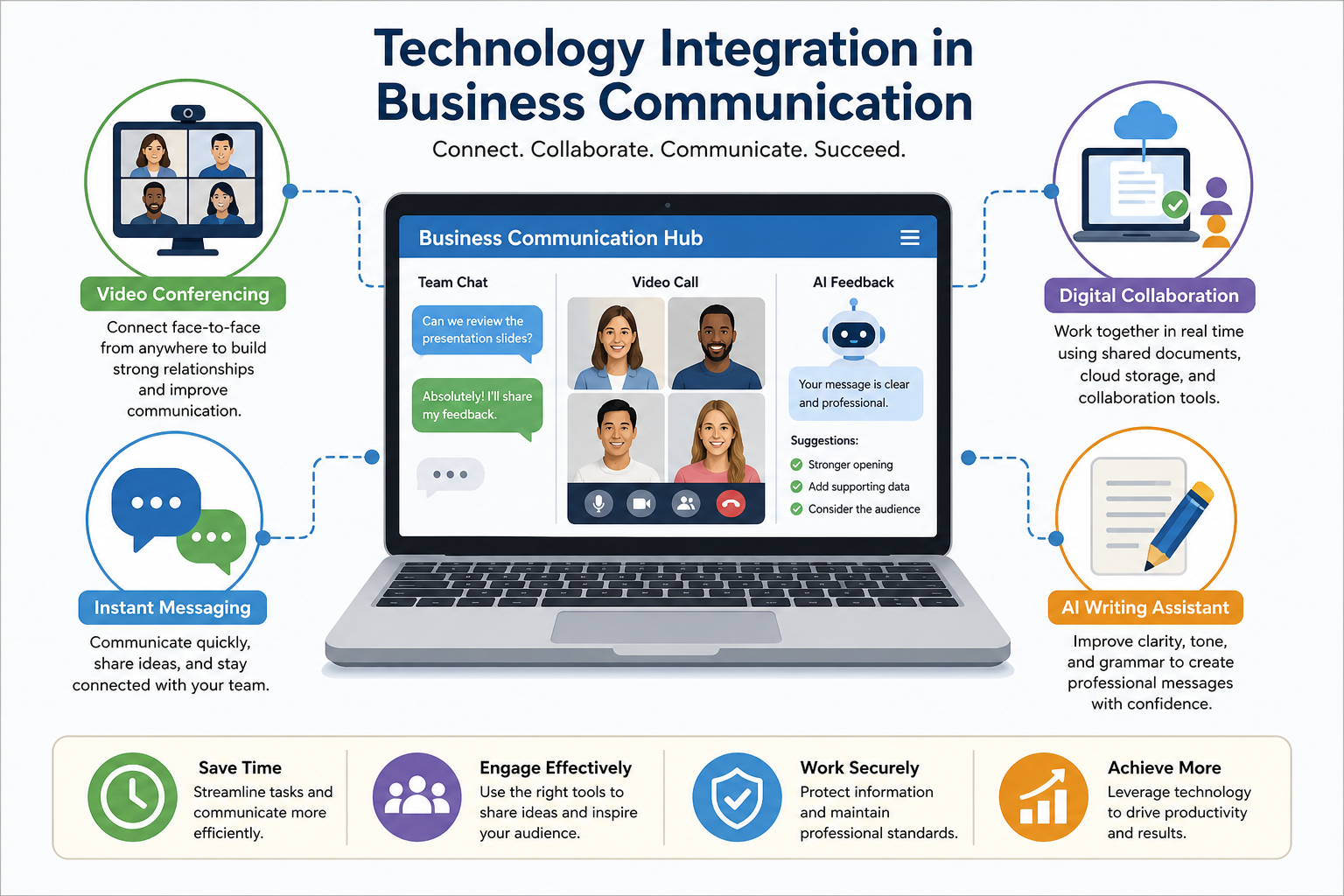
Tech-savvy students are better equipped for today’s dynamic workplace. Using tools like digital communication platforms and AI-assisted feedback helps bridge the gap between theory and practice, providing students with current skills highly sought after by employers.
3. Evaluating Pedagogical Effectiveness
To ensure these approaches are producing the desired outcomes, instructors should continually assess and refine their methods. Surveys, peer reviews, and student feedback can all serve as effective gauges of a strategy’s impact, ensuring that the learning objectives meet industry standards and student needs.

Key Takeaways
- Experiential learning helps students apply and retain what they learn.
- Technology integration aligns classroom skills with industry demands.
- Regular evaluation ensures pedagogical methods remain effective and relevant.
Glossary of Key Terms
- Experiential Learning: Learning through direct experience rather than traditional academic methods.
- Digital Communication Tools: Applications and platforms that facilitate online conversation and interaction.
- Student Feedback: Responses collected from students to evaluate teaching effectiveness.
- AI-Assisted Feedback: Technology-driven input provided to learners to enhance learning.
Related Questions
What are the benefits of experiential learning in communication courses?
Experiential learning, including simulations and real-world projects, engages students in ways traditional lectures don’t, and it helps them apply concepts in practice.
How can technology enhance business communication teaching methods?
Digital communication platforms and AI-assisted feedback help bridge theory and practice, giving students current skills that employers want.
What evaluation methods best measure pedagogical success?
Evaluate regularly how different instructional methods affect student outcomes. The article says regular evaluation keeps teaching methods effective and relevant.
How do team projects improve student engagement?
Team projects ask students to plan, write, and present together, so they practice communication skills in realistic conditions.
What role do digital communication tools play in modern education?
Digital platforms and AI-powered feedback raise engagement and prepare students for modern business environments by giving them practice with current tools.
References
Bovée, C. L., & Thill, J. V. (2026). Business Communication Today (16th ed.). Pearson.
- Meet the Visionaries Behind Business Communication Today
- Why Business Communication Today Leads the Field in Depth, Breadth, and Instructional Design
- Why Business Communication Today Excels for Both Business Majors and Non-Majors?
© 2026 Business Communication Teaching and Learning Center. All rights reserved.