Empower Your Understanding of Business Communication with Clarity
Misconceptions about business communication instructors and their courses can shape perceptions and affect learning. By exploring the truths about these misconceptions, educators can enrich student experiences and outcomes. With resources like Business Communication Today, 16th Edition by Courtland L. Bovee and John V. Thill, we can unveil the critical role of these instructors and the evolving nature of their courses.
Today’s business communication courses are instrumental in preparing students for a dynamic workforce, where effective communication is indispensable. Understanding the true scope and impact of these courses helps educators enhance their teaching methods, fostering more informed and productive learning environments.
Upon completing this article, instructors will be able to:
- Identify common misconceptions about business communication instructors and courses.
- Implement strategies to overcome these misconceptions in the classroom.
- Evaluate the impact of these misconceptions on student learning and engagement.
- Design an inclusive course structure that reflects the true nature of business communication education.
Business communication as a discipline is often misunderstood, leading to undervaluation of its courses and instructors. This context is critical in an era epitomized by rapid technological advancement and the necessity for clear, ethical communication. Understanding and addressing misconceptions allows educators to align perceptions with the significant real-world applications of business communication skills, as guided by resources like Business Communication Today, 16th Edition.
Direct AnswerMisconceptions about business communication often stem from outdated perceptions and overlook advances in instructional methods. These courses are not merely about writing memos or emails; they are comprehensive platforms for developing strategic communication skills, including digital literacy and ethical considerations, taught using frameworks such as those in Business Communication Today, 16th Edition. Recent studies note that firms prioritize candidates proficient in sophisticated communication tools, underscoring the value these courses bring to modern business environments .
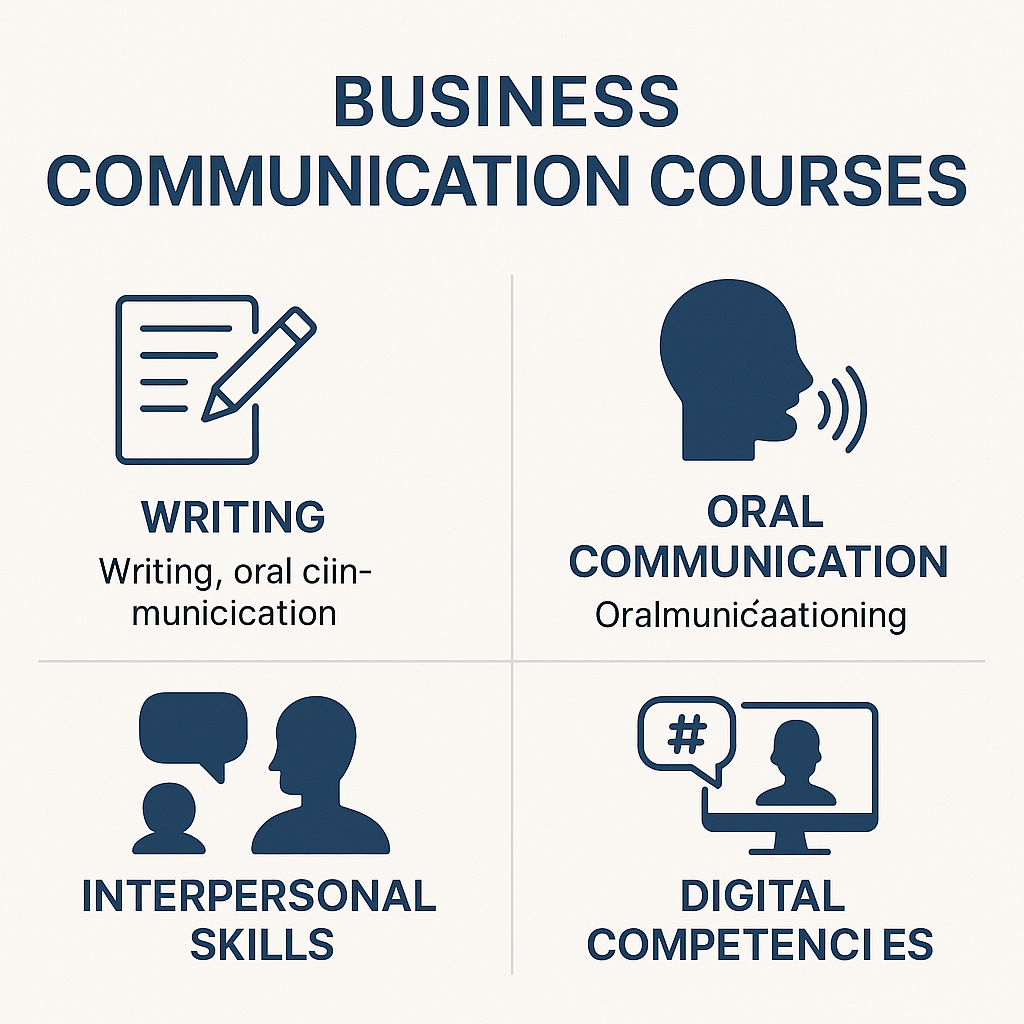
1. Misconception: Business Communication is Just About WritingIt’s a common belief that business communication courses primarily focus on writing. However, they encompass a broad swath of skills, including oral communication, interpersonal skills, and digital competencies like social media and virtual communication. Instructors strive to develop students’ abilities in effectively engaging diverse audiences, incorporating AI and digital tools to enhance communication strategies.
Some perceive business communication as lacking real-world applicability. Contrary to this belief, these courses are strategically aligned with business needs, fostering skills that directly impact organizational success. As described in Business Communication Today, instructors employ practical assignments that mimic real-world business scenarios, helping a diverse group of students to apply theory to practice and understand the strategic impact of communication on business outcomes.

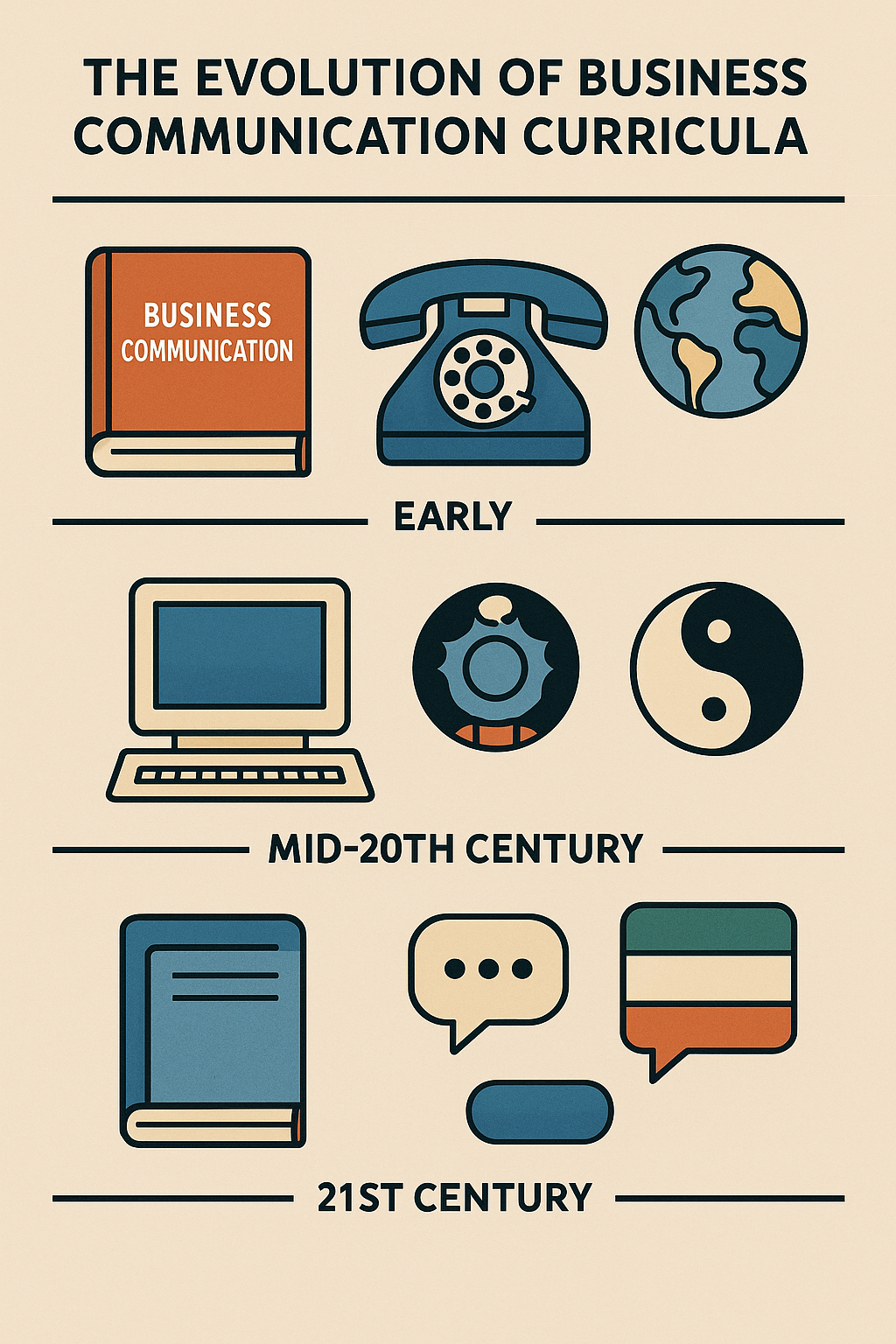
A popular myth is that instructors teach from an unchanging curriculum. In reality, curricula in business communication are constantly evolving to reflect the changing landscape of technology and culture. Instructors integrate current tools and techniques, supported by credible textbooks, to keep the content relevant and engaging.
- Business communication courses are multidimensional, extending beyond writing to include digital and oral skills.
- These courses play a pivotal role in preparing students for strategic roles within businesses.
- Misconceptions can negatively impact students’ engagement, which educators can counteract with updated, inclusive curricula.
- Instructors need to adapt teachings to reflect the dynamic nature of modern communication practices.
Business Communication: The practice of sharing information within and outside a company to achieve organizational goals.
Curriculum Development: The process of creating and updating course content to meet educational standards and industry needs.
Digital Literacy: The ability to use digital tools and technologies effectively and ethically.
Interpersonal Skills: The ability to communicate or interact well with other people.
Misconception: A view or opinion that is incorrect because it is based on faulty thinking or understanding.
Related Questions- How can instructors integrate emerging technologies into their communication courses?
- What are the benefits of updating the business communication curriculum regularly?
- How do business communication skills impact career advancement?
- What role does interpersonal communication play in business success?
- How can students apply communication theories in practical scenarios effectively?
- Bovee, C. L., & Thill, J. V. (2023). Business Communication Today (16th ed.). Pearson Education.
- Edelman. (2023). Global Trust Barometer. Retrieved from [URL]
- Smith, J. (2021). Effective Organizational Communication. Journal of Business Communication, 58(3), 123-145. doi:10.1177/0021943619112345
- Thompson, L. (2020). Communication Skills in Business: A Guide for Success. Harvard Business Review. Retrieved from [URL]
- Williams, R., & Jones, S. (2022). Teaching Communication in the Age of Social Media. Business and Professional Communication Quarterly, 85(2), 87-105. doi:10.1177/10805699221094845
If you’re ready to help students achieve excellence in communication, explore how Business Communication Today, 16th Edition can be an essential tool in your educational toolkit, providing up-to-date content and integrated teaching strategies.