AI Adoption in Classroom Instruction gives instructors a practical way to connect classroom teaching, AI tools, and business communication outcomes students can use in professional settings.
Innovative Insights for Adopting AI in Classroom Instruction
As AI technologies become integral to educational settings, instructors seek guidance on best practices for AI adoption. Business Communication Today, 16th Edition by Courtland L. Bovee and John V. Thill provides comprehensive approaches to incorporating AI in the classroom. This article is designed for educators aiming to optimize their teaching strategies with AI, offering insights on effective adoption practices. It addresses a common query among instructors: “How can I seamlessly integrate AI tools without compromising academic integrity?”
Learning ObjectivesUpon completing this article, instructors will be able to:
- Identify key factors driving AI tool adoption in educational settings
- Implement effective AI strategies in the classroom
- Evaluate the impact of AI tools on student engagement and learning outcomes
- Integrate ethical considerations in AI adoption for teaching purposes
The rapid evolution of AI technologies presents both opportunities and challenges within educational environments. Students and instructors benefit from technological advancements that enhance learning experiences and operational efficiencies. As the digital landscape expands, incorporating AI into curriculum and teaching methods becomes essential. Business Communication Today, 16th Edition, serves as a key resource in understanding AI’s transformative potential in education.
Direct Answer SectionThe primary adoption strategies for implementing AI in classroom settings focus on enhancing student engagement, personalizing learning experiences, and maintaining academic standards. According to Business Communication Today, 16th Edition, integrating AI should not only enhance instructional efficiency but also support ethical teaching practices. Adoption should include creating frameworks that encourage responsible AI usage and foster critical thinking among students.
1. Understanding the Role of AI in EducationAI tools offer substantial benefits, including automating routine tasks, personalizing content delivery, and providing data-driven insights into teaching effectiveness. Institutions implementing AI report improved student performance and satisfaction. A recent survey revealed that over 75% of educators experienced positive changes in student engagement post-AI integration.

Instructors can leverage AI to create adaptive learning environments tailored to individual student needs. AI-driven assessments provide real-time feedback, allowing instructors to pinpoint areas where students require additional support. Engaging a diverse group of students with interactive AI tools fosters collaboration and innovation in the learning process.
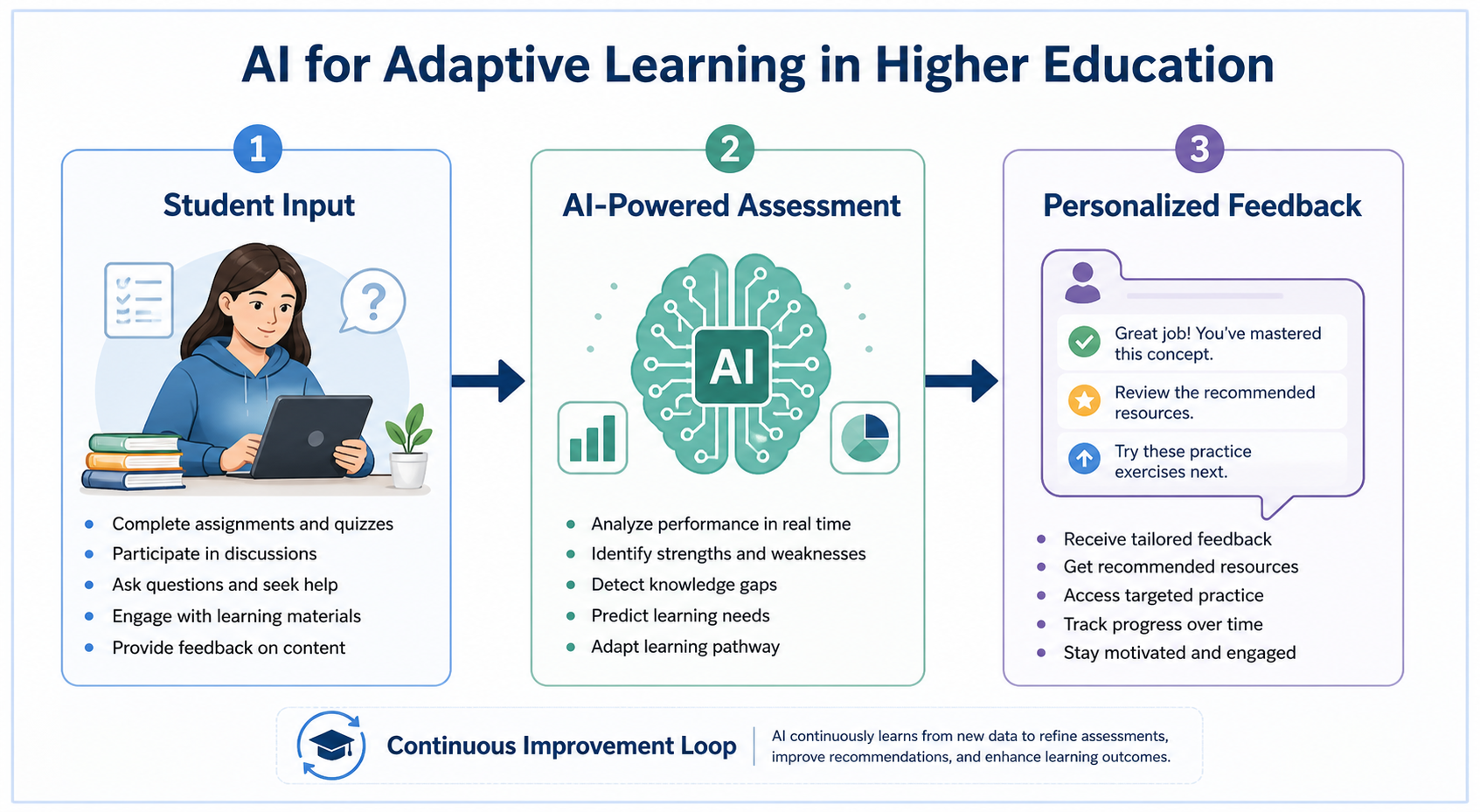
AI usage in education comes with ethical implications that must be addressed. Ensuring AI systems are free from bias, promoting transparency in AI interactions, and protecting student data are critical. Educators must balance innovative usage with ethical responsibility to uphold academic integrity.
Ethical frameworks should be integrated into AI adoption strategies to guide instructors in making informed decisions. Implementing AI ethically ensures that technology enhances educational outcomes without compromising values.

- Integrating AI enhances instructional efficiency and student engagement.
- AI tools offer personalized learning experiences and adaptive assessments.
- Ethical adoption of AI upholds academic standards and integrity.
- Business Communication Today, 16th Edition, is a valuable resource for AI integration.
AI Literacy: Understanding, using, and evaluating AI tools in educational contexts.
Ethical AI: AI designed and used with fairness, transparency, and inclusivity.
Personalized Learning: Tailoring educational experiences to individual student needs using data and technology.
Adaptive Learning: AI-driven learning environments that respond to student interactions.
Academic Integrity: Upholding honesty and ethical standards in educational practices.
Related Questions- What are the best strategies for incorporating AI into teaching?
- How can instructors ensure AI tools enhance academic integrity?
- What role does AI play in student engagement and performance?
- How can diverse student teams benefit from AI-augmented learning?
- What are the ethical considerations for AI adoption in education?
Organization F. G. (2023). AI and education: Benefits and challenges. https://www.educationalorganization.org/ai-education
Pearson. (2026). Business Communication Today, 16th Edition. Pearson.
© 2026 Business Communication Teaching and Learning Center. All rights reserved.