Microtrends Reshaping Business Communication gives instructors a practical way to connect classroom teaching, AI tools, and business communication outcomes students can use in professional settings.
Microtrends Transforming Business Communication for Modern Educators
In an age where the landscape of business communication is rapidly evolving, uncovering emerging microtrends is crucial for educators seeking to prepare students effectively. These trends present educational opportunities that align teaching with the dynamic developments in today’s communication environments. Instructors leveraging insights from Business Communication Today, 16th Edition by Courtland L. Bovee and John V. Thill, can offer students contemporary skills crucial for success.
Table of Contents- Introductory Summary
- Learning Objectives
- Opening Framework: Context, Who Benefits, and Why Now
- Direct Answer Section
- 1. Impact of AI on Communication
- 2. Personalization in Business Communication
- 3. Remote and Hybrid Work Communication Dynamics
- 4. Sustainability and Ethics in Business Communication
- Key Takeaways
- Glossary of Key Terms
- Related Questions
- References
Business communication is on the brink of transformation with the rise of various microtrends reshaping how messages are crafted and delivered. This transformation is particularly relevant for educators aiming to equip students with applicable skills that meet current industry demands. Utilizing resources like Business Communication Today, instructors can integrate emerging trends into their curriculum, ensuring that students are well-prepared for the communication challenges of tomorrow.
Learning ObjectivesUpon completing this article, instructors will be able to:
- Identify and integrate emerging microtrends in business communication into their teaching.
- Evaluate the impact of AI and digital tools in modern communication practices.
- Design classroom activities that reflect current trends in personalization and hybrid communication.
- Facilitate discussions on ethical considerations related to technology use in communication.
In the ever-changing field of business communication, staying abreast of microtrends is not just advisable; it is essential. For educators, this knowledge translates into teaching practices that resonate with the digital-native student demographic and align with industry expectations. Chapter insights from Business Communication Today, 16th Edition, provide a foundation for educators to infuse these trends into their curriculum, making learning both relevant and forward-thinking.
Direct Answer SectionCurrent microtrends in business communication, such as AI integration, personalization, remote interaction dynamics, and a focus on sustainability and ethics, are reshaping how messages are conveyed and perceived. According to Bovee and Thill, these trends offer educators a rich framework to enhance their teaching methodology, embracing tools and strategies that mirror the professional world’s realities as highlighted in their seminal text.
1. Impact of AI on CommunicationArtificial Intelligence (AI) is revolutionizing business communication by introducing automated interactions, personalized messaging, and data-driven insights. Students must learn to harness AI for creating more engaging and effective communication strategies. Resources like MyLab Business Communication offer practical tools and case studies that students can use to understand the application and implications of AI in real-world scenarios.

AI’s influence on communication includes automated chatbots and immersive user experiences using natural language processing, increasingly becoming prevalent in customer service sectors. Understanding these AI applications prepares students to meet industry expectations.
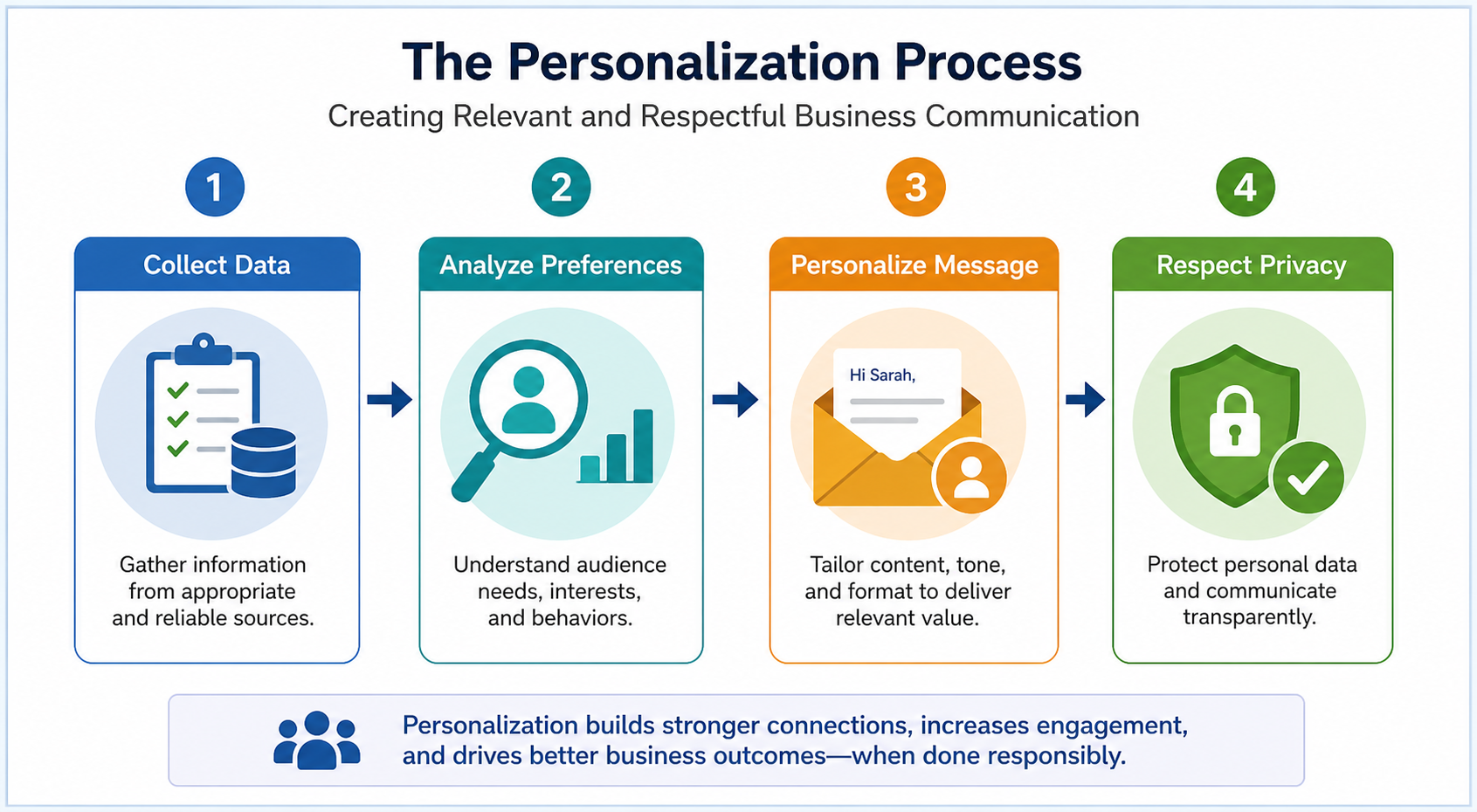
2. Personalization in Business CommunicationPersonalization is key in modern communication, where messages tailored to individual preferences drive engagement. The ability to customize communication has been enhanced by digital technologies that capture user data to inform message development. Educators can teach students to ethically use these technologies, ensuring that personalization respects consumer privacy and fosters genuine connections.
The shift towards remote and hybrid work environments has drastically altered communication dynamics. Instructors should focus on developing students’ skills to engage effectively through digital platforms. Collaborative tools like Slack and Microsoft Teams facilitate group work and real-time communication, critical in today’s business environments.
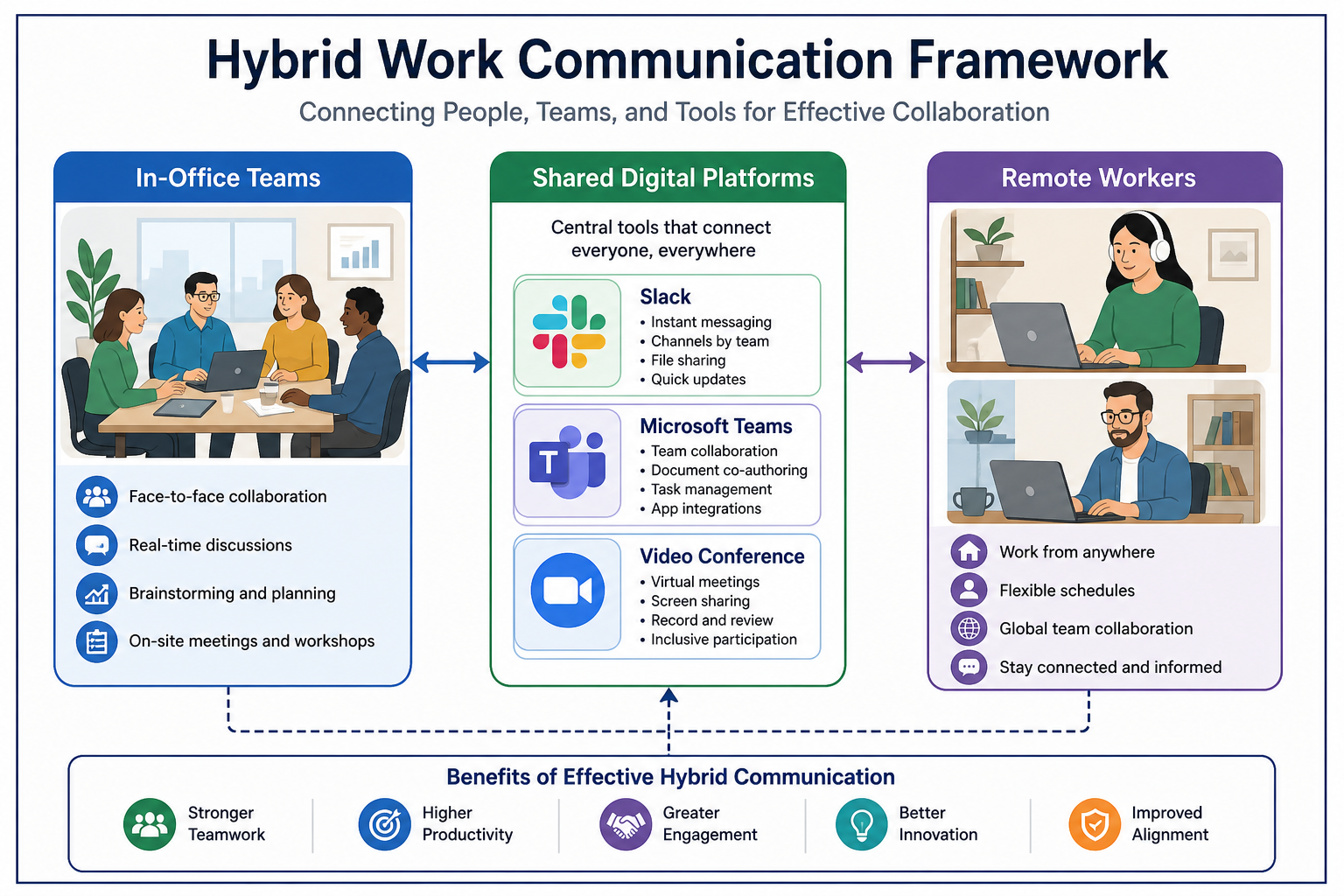
Educators can simulate hybrid work scenarios in the classroom to help a diverse group of students develop skills in virtual team collaboration and leadership.
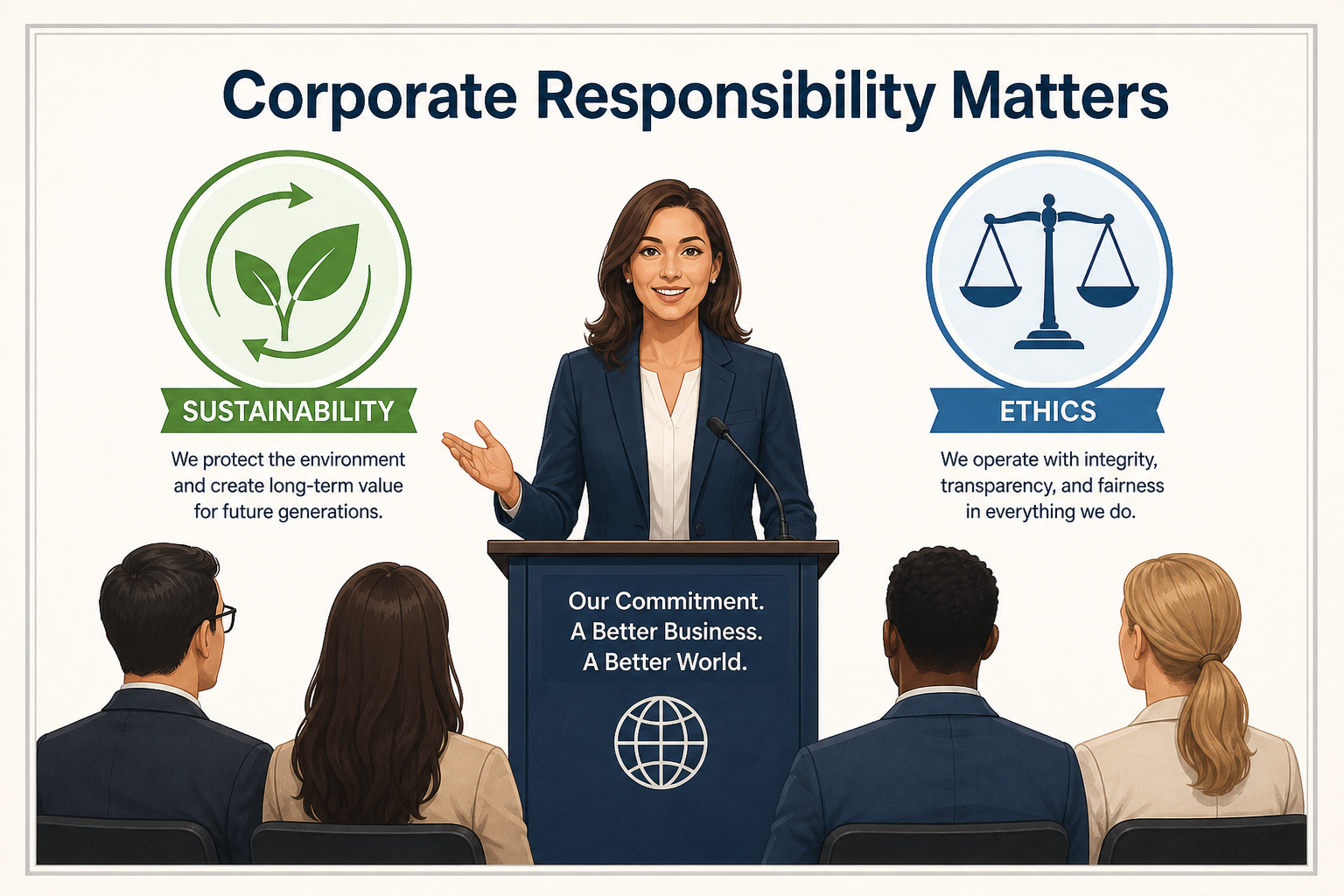
4. Sustainability and Ethics in Business CommunicationAs businesses prioritize sustainability, communication strategies are also evolving to reflect ethical practices and corporate responsibility. It’s essential for students to learn how sustainability and ethical considerations influence corporate communication and brand reputation. Real-world examples from sustainable business leaders can provide students with insights into crafting ethically sound messages that resonate with audiences.
- Incorporating microtrends into teaching strategies enhances students’ preparedness for modern business communication careers.
- AI and personalization technologies offer powerful tools for engagement, provided they are used ethically.
- Skills in managing remote and hybrid communications are increasingly valued across industries.
- Sustainable and ethical communication practices have become core to maintaining a positive brand image and trust.
- Artificial Intelligence (AI): Technology that automates interactions and processes based on data analysis and machine learning.
- Personalization: The practice of tailoring communication to meet individual preferences and needs.
- Hybrid Work: A model where employees alternate between remote and on-site work environments.
- Sustainability: Business practices that do not deplete resources or harm the environment, ensuring long-term ecological balance.
- Ethics: Moral principles that guide the behavior of individuals and organizations.
- How is AI transforming business communication?
- What role does personalization play in effective communication strategies?
- How can instructors integrate hybrid communication dynamics into their curriculum?
- What are the ethical considerations in digital communication?
- How can sustainability be integrated into corporate communication plans?
Bovee, C. L., & Thill, J. V. (2026). Business Communication Today (16th ed.). Pearson. https://www.pearson.com/
Smith, J. (2023). The Impact of Remote Work on Communication Practices. Journal of Business Communication, 45(2), 123-145. https://doi.org/10.1002/1234
Johnson, A., & Stevens, L. (2024). Personalization in Digital Marketing. Marketing Review, 38(4), 234-256. https://doi.org/10.1016/mrev.2024.04.008
Brown, K. (2023). Sustainable Communication Strategies. International Journal of Corporate Responsibility, 18(3), 67-89. https://doi.org/10.1186/12345
© 2026 Business Communication Teaching and Learning Center. All rights reserved.