Overcoming Communication Challenges to Empower Your Business Curriculum
High-impact solutions can transform your business communication course.
In the realm of business communication education, challenges frequently arise that can hinder the effectiveness of a curriculum. This is where the expertise offered by Business Communication Today, 16th Edition by Courtland L. Bovee and John V. Thill becomes invaluable. Educators looking to enhance their course will find practical, innovative solutions within these pages. Understanding and addressing these challenges not only empowers instructors but significantly benefits a diverse group of students by improving learning outcomes. This article will explore common questions instructors face and offer strategies to turn potential obstacles into teaching opportunities.
Learning ObjectivesUpon completing this article, instructors will be able to:
- Identify the 16 common communication challenges in business education.
- Implement strategies to effectively address and solve these challenges.
- Design course elements that integrate solutions for communication barriers.
- Evaluate the impact of these strategies on student engagement and success.
In today’s fast-paced digital world, communication is key to success. The classroom is no exception, where business communication courses prepare students for the realities of professional interactions. However, challenges such as technology integration, diverse student needs, and maintaining engagement can undermine these efforts. With Business Communication Today, 16th Edition as a guide, educators can lead students effectively through a landscape of potential pitfalls, transforming challenges into pathways for success and improvement.
Direct Answer SectionTo tackle the 16 communication challenges effectively, educators must adopt a multifaceted approach that includes tailored course design, student engagement strategies, and the integration of modern technology. According to Bovee and Thill, the best solutions are those that combine pedagogy with practical technological applications, offering real-time feedback and personalization. The 16th Edition provides a robust framework for incorporating these solutions into any curriculum, ensuring that both instructors and students can thrive (Bovee & Thill, 2023).
1. Understanding Technological IntegrationModern business communication courses must navigate the complexities of integrating new technologies. This includes selecting the right platforms and tools that facilitate learning while enhancing communication skills.
- Emerging Tools: Incorporate tools like AI-driven language analysis software that can assist in language precision and effectiveness.
- Integrated Learning Platforms: Utilize platforms like MyLab Business Communication for interactive learning experiences that drive engagement (Pearson, 2023).

By effectively integrating technology, courses become more engaging and relevant to today’s digital-first world.
2. Enhancing Student EngagementEngagement is a critical component of learning. Diverse tactics, such as gamification, encourage active participation and deepen understanding.
- Gamification: Implement game-based learning techniques to make participation more dynamic and engaging.
- Real-World Scenarios: Use case studies from current events to help students apply classroom lessons to tangible situations.

Engagement strategies are essential for sustaining interest and ensuring concepts stick with a diverse group of students.
3. Addressing Diversity and InclusivityCreating an inclusive learning environment is essential for addressing communication barriers, particularly for students from diverse backgrounds.
- Cultural Sensitivity Training: Incorporate sessions that focus on understanding and appreciating cultural differences within the classroom.
- Diverse Content: Use a variety of case studies and examples that reflect a wide range of perspectives and experiences.
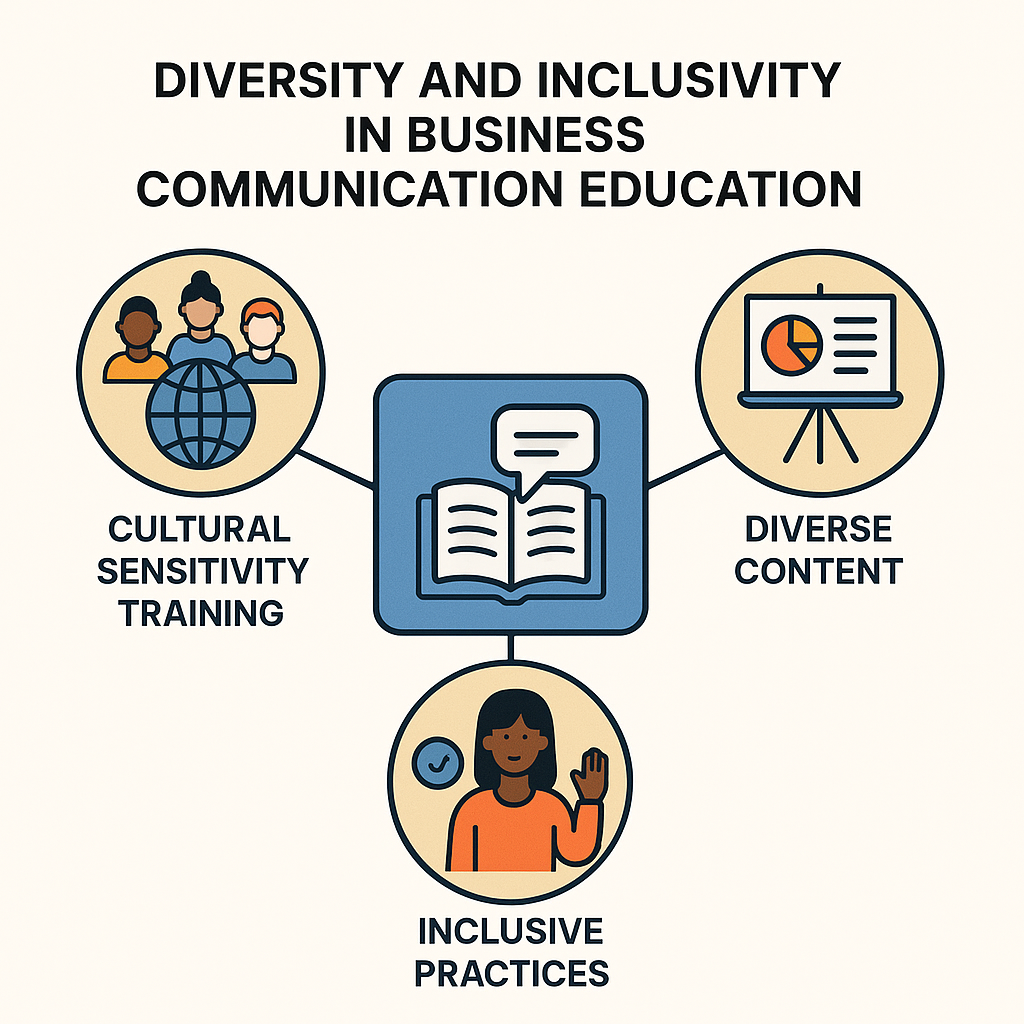
Diversity enriches the learning environment and prepares students for global communication challenges.
4. Overcoming Anxiety in CommunicationAnxiety can significantly impact communication performance. Strategies to mitigate this include creating supportive environments and encouraging open dialogues.
- Safe Practice Spaces: Set up environments where students feel comfortable experimenting with new communication techniques without fear.
- Feedback Loops: Provide constructive feedback that encourages improvement and boosts confidence.
These methods help reduce anxiety and empower students to communicate more effectively.
Key Takeaways- Implementing the right technology can enhance learning and communication.
- Engagement and inclusivity are critical for a successful communication course.
- Diverse examples help prepare students for varied real-world communication challenges.
- Addressing anxiety through supportive practices improves student performance.
- Communication Anxiety: Fear or nervousness during communication acts that can hinder performance.
- Digital Fluency: The ability to effectively use digital tools and platforms for communication and information.
- Inclusivity: Practices that ensure all students, regardless of background, feel valued and included in educational settings.
- Gamification: The use of game elements in non-game contexts to enhance engagement and motivation.
- Cultural Sensitivity: Awareness and respect for cultural differences in communication practices.
- How can technology be used to enhance student engagement in communication courses?
- What are effective strategies for dealing with communication anxiety in classrooms?
- How can educators incorporate diverse perspectives in business communication teaching?
- What role does MyLab Business Communication play in modern education settings?
- How can gamification be implemented to enrich business communication courses?
- Bovee, C. L., & Thill, J. V. (2023). Business Communication Today (16th ed.). Pearson.
- Pearson. (2023). MyLab Business Communication. Retrieved from [URL if available]
- Edelman. (2023). Global Trust Barometer: Authenticity and Purpose. Retrieved from [URL if available]
If you’re ready to help students communicate with confidence in the AI era, explore how Business Communication Today, 16th Edition can transform your curriculum with integrated, ethical AI guidance.
© [Year] Bovee and Thill Business Communication Blog. All rights reserved.