
Controversial Issues in Business Communication gives instructors a practical way to connect classroom teaching, AI tools, and business communication outcomes students can use in professional settings.
Explore Challenges and Innovations in Business Communication
Business communication is an evolving field filled with both opportunities and challenges. As technology reshapes how we interact, understanding these controversial issues is crucial for instructors. This article, grounded in insights from Business Communication Today, 16th Edition by Courtland L. Bovee and John V. Thill, empowers educators to address these challenges directly. With a focus on real-world applications, instructors can enhance classroom strategies to better prepare students for career readiness and lifelong success.
Learning ObjectivesUpon completing this article, instructors will be able to:
- Identify and explain the twelve controversial issues in business communication.
- Evaluate strategies for addressing each issue in a classroom setting.
- Incorporate real-world examples to facilitate student understanding and engagement.
- Design lesson plans that integrate solutions to these challenges effectively.
In the dynamic landscape of business communication, staying informed about controversial topics such as digital transformation, ethics, and cultural sensitivity is essential. Instructors who integrate these topics into teaching not only enrich their curriculum but also enhance student readiness to face real-world issues. Leveraging insights from Bovee and Thill’s seminal textbook, educators are positioned to turn these controversies into learning opportunities.
Direct AnswerThe twelve most controversial issues in Business Communication Today include digital privacy, inclusivity, AI integration, data security, remote work, cross-cultural communication, transparency, emotional intelligence, bias in algorithms, misinformation, crisis communication, and stakeholder engagement. Addressing these topics effectively requires an updated curriculum that incorporates ethical frameworks, practical examples, and technology integration. Business Communication Today provides a comprehensive guide to tackling these issues, featuring the latest edition and research-backed insights that are essential for educators aiming to modernize their teaching approach.
1. Digital Privacy and Data SecurityIn the digital age, ensuring privacy and data security is paramount. Instructors can educate students on best practices and the ethical use of information, emphasizing the importance of safeguarding personal and professional data. With the increasing frequency of data breaches, this topic remains highly relevant.

Teaching inclusivity involves preparing students to understand and respect diverse perspectives. Implementing activities that encourage cultural sensitivity helps create a more inclusive business environment and fosters respectful communication.
3. AI Integration in CommunicationAI’s role in reshaping how businesses communicate presents numerous challenges and opportunities. Educators should focus on ethical AI practices, guiding students on utilizing AI tools effectively while maintaining human connection.

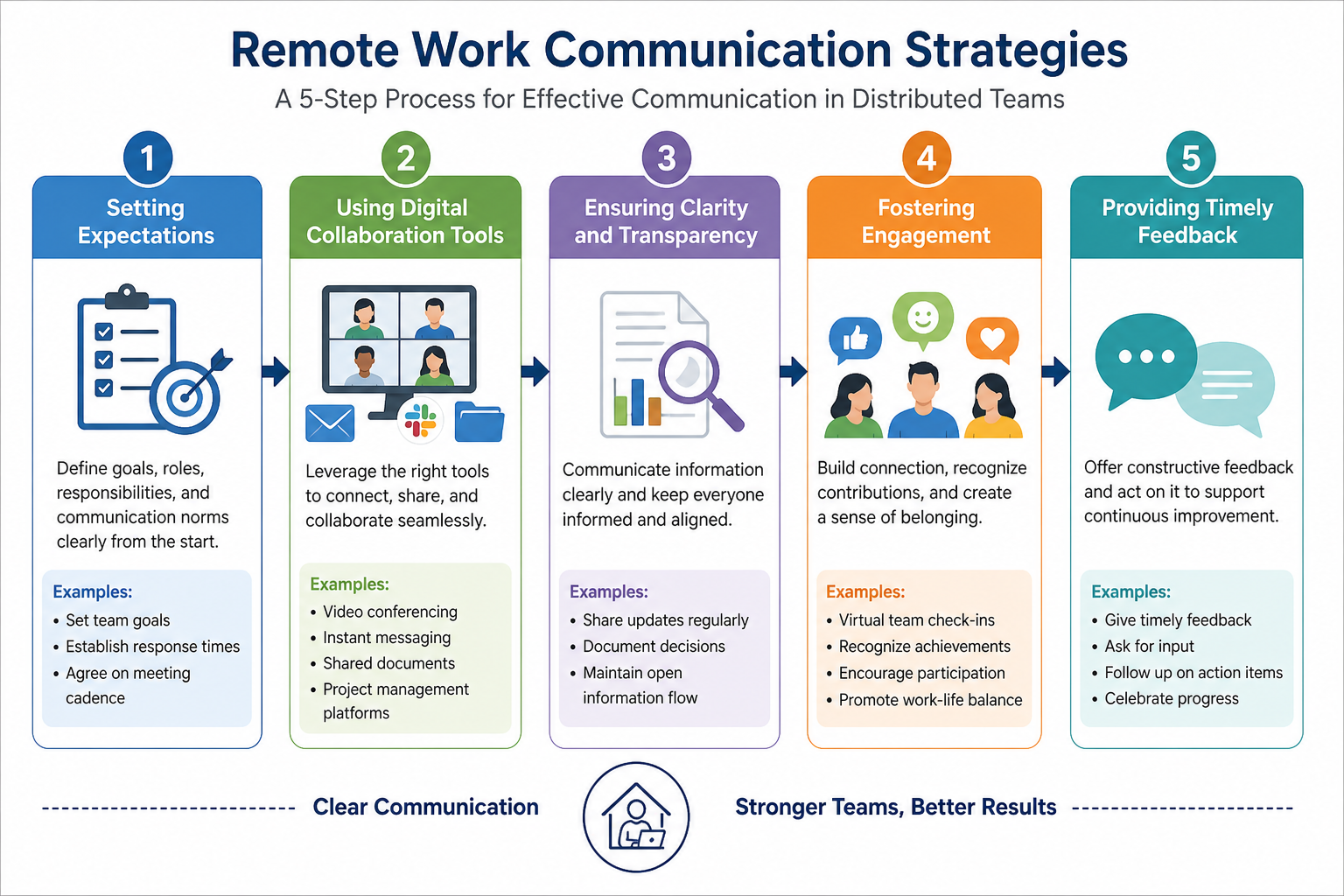
The shift to remote work has transformed traditional communication methods. Students should learn adaptive communication strategies for different environments, emphasizing flexibility and digital fluency.
5. Cross-Cultural CommunicationWith globalization, understanding cross-cultural communication is essential. Incorporate lessons that cover strategy, adaptability, and respect to equip students with the tools needed for effective international collaboration.
- Understand twelve controversial issues impacting Business Communication Today.
- Integrate these topics into the curriculum using real-world examples and activities.
- Enhance student preparedness for navigating complex communication landscapes.
- Utilize Bovee and Thill’s comprehensive resources for updated teaching strategies.
Glossary of Key Terms
- AI Integration: The incorporation of artificial intelligence into communication strategies to enhance efficiency and effectiveness.
- Cross-Cultural Communication: Interacting with individuals from different cultures and understanding their communication styles.
- Digital Privacy: Protecting personal and sensitive information in digital environments.
- Inclusivity: Creating a communication approach that recognizes and respects diversity.
- Remote Work Dynamics: Managing communication and productivity in a work-from-home setting.
Related Questions
- How can instructors address digital privacy in business communication courses?
- What role does cultural sensitivity play in international business success?
- How can AI tools be responsibly integrated into communication strategies?
- What are the benefits of teaching cross-cultural communication in business education?
- What strategies can maintain engagement in remote work settings?
Bovee, C. L., & Thill, J. V. (2026). Business Communication Today (16th ed.). Pearson.
Coombs, W. T. (2019). Crisis communication. In The handbook of communication science (2nd ed., pp. 350-375). SAGE Publications.
Duarte, N. (2018). DataStory: Explain data and inspire action through storytelling. Ideapress Publishing.
Heath, R. L., & O’Hair, H. D. (2020). Handbook of risk and crisis communication. Routledge.
Jandt, F. E. (2020). An introduction to intercultural communication: Identities in a global community (9th ed.). Sage Publications.
© 2026 Business Communication Teaching and Learning Center. All rights reserved.