Prevent Chaos in Week One gives instructors a practical way to connect classroom teaching, AI tools, and business communication outcomes students can use in professional settings.
Unlock a Semester of Success by Perfecting Week One Strategies
In Business Communication Today, 16th Edition by Courtland L. Bovee and John V. Thill, improving classroom management from the initial week is emphasized as key to achieving better student outcomes and career readiness. For instructors, this insight is crucial not only for the current teaching climate but also for addressing common concerns about chaotic semesters. This article explores effective first-week strategies that align with career readiness goals.
Table of Contents
- Learning Objectives
- Direct Answer
- Strategies for Classroom Management
- Building Motivation and Engagement
- Integrating Career Readiness
- Key Takeaways
- Glossary of Key Terms
- Related Questions
- References
Upon completing this article, instructors will be able to:
- Identify impactful first-week strategies to improve classroom management.
- Implement tactics to boost student motivation and engagement.
- Link initial classroom practices to career readiness outcomes.
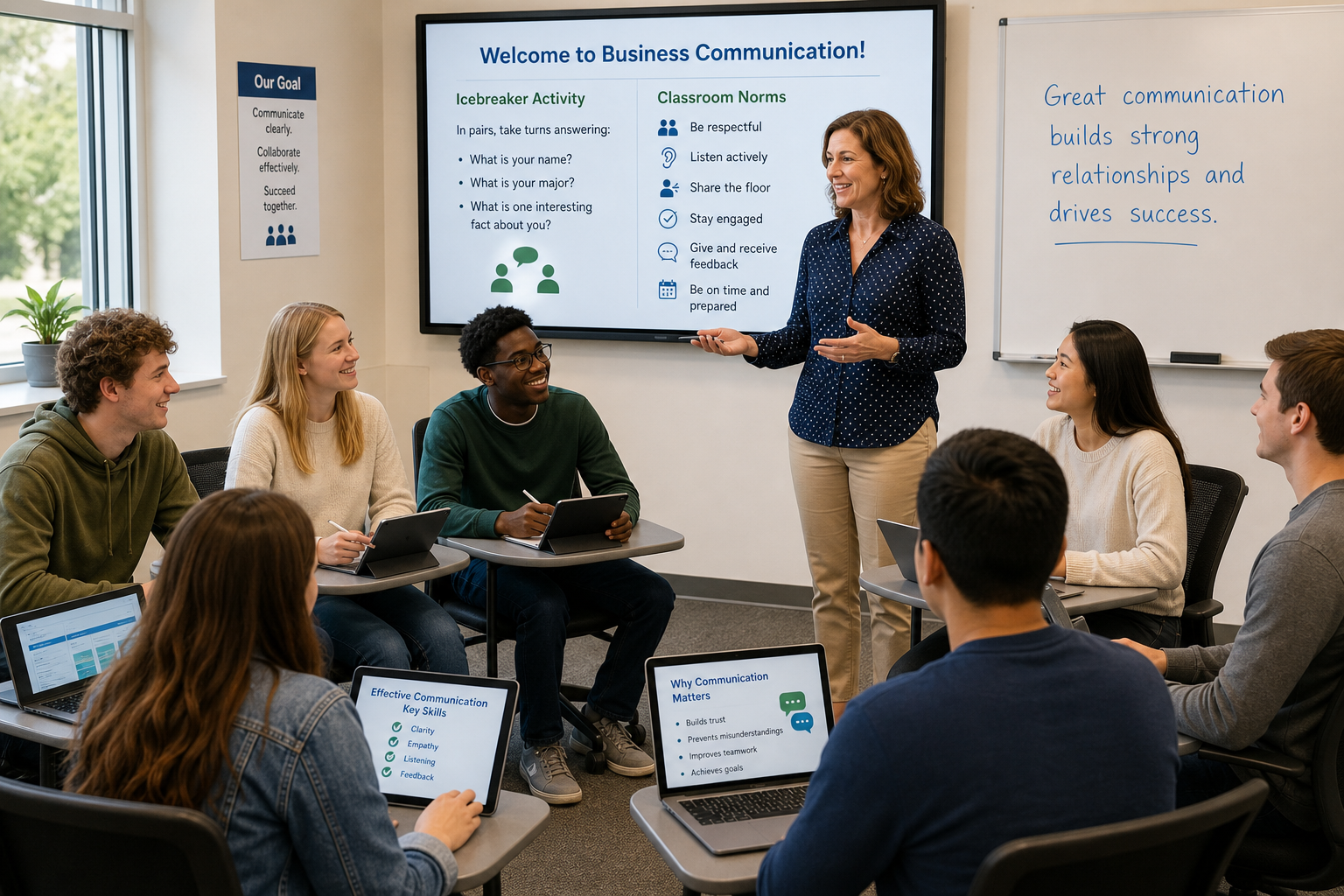
Establishing effective classroom norms in the first week can significantly prevent chaos throughout the semester. According to Bovee and Thill, structured introductions to course expectations and engagement in proactive icebreakers cultivate a positive learning environment that aligns with career readiness by fostering communication and critical thinking skills. Engaging students from diverse backgrounds early enables instructors to maintain order and energize the classroom, ultimately minimizing disruptions and enabling sustained focus on educational goals.
Setting Clear Expectations
The cornerstone of successful classroom management starts with communicating clear guidelines and expectations. By implementing structured syllabuses and establishing student agreements on the first day, instructors create transparency and accountability, which research shows reduces misunderstandings and behavioral issues .
Interactive Icebreakers
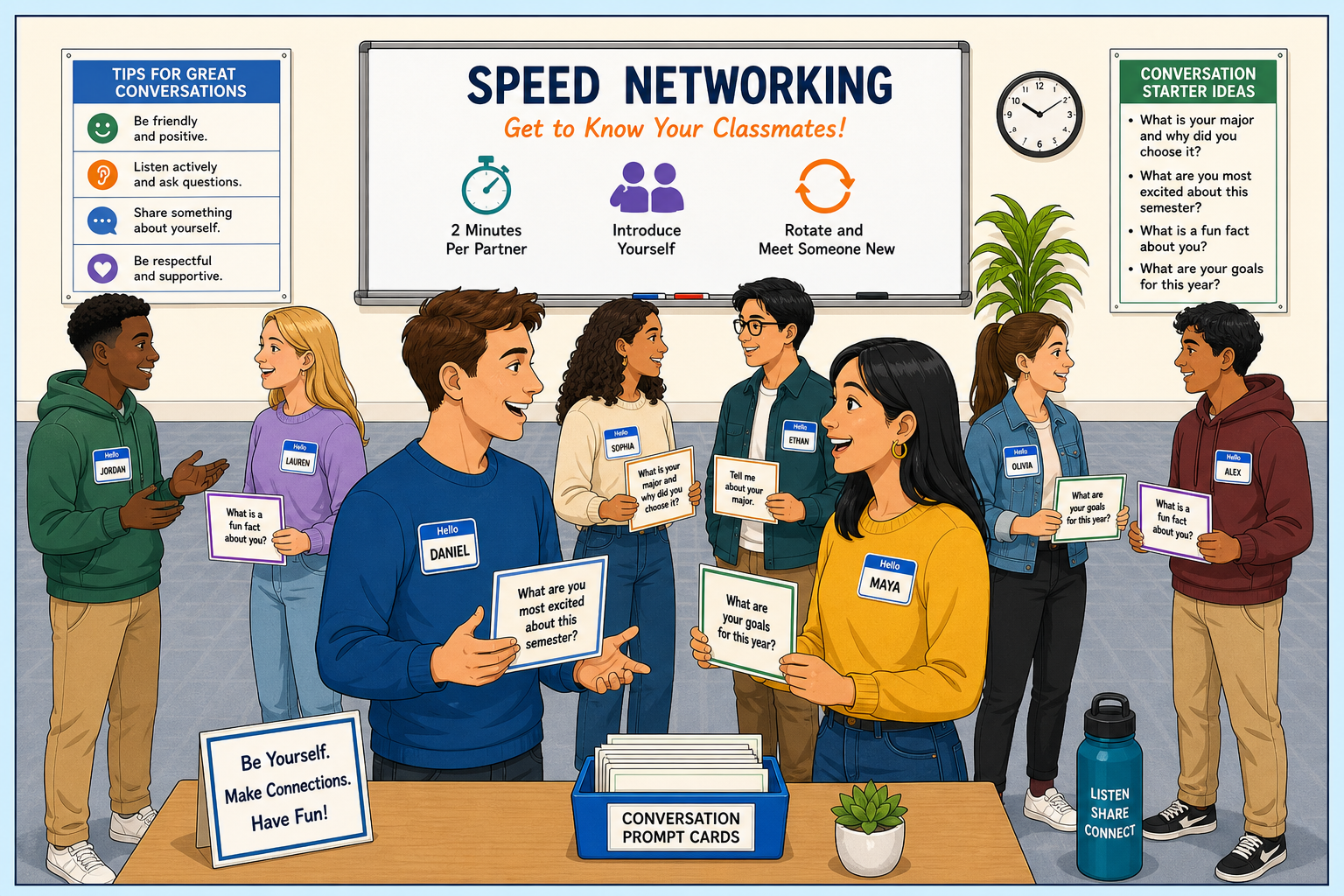
Incorporating interactive activities encourages participation from a diverse group of students, setting a collaborative tone for the semester. Activities like “speed networking” or team-building tasks build rapport and empower students to contribute actively throughout the course.
Incorporating Student Feedback
Soliciting feedback on teaching methods early can increase student buy-in and engagement. Align feedback opportunities with learning outcomes to keep students invested in their progress. Studies suggest that when students feel heard, their participation and motivation levels rise .
Diverse Learning Materials
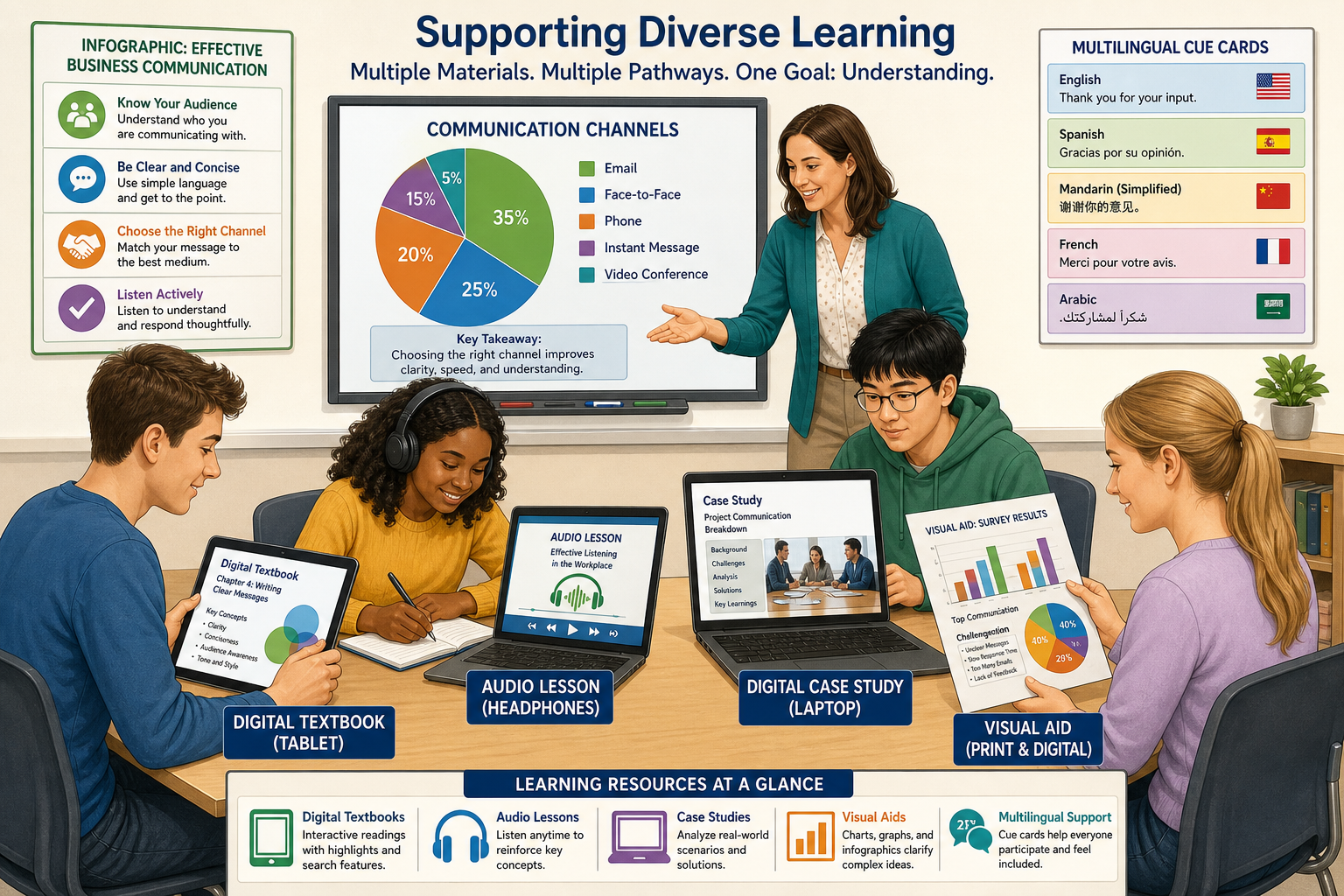
Utilize diverse instructional materials that cater to various learning styles and backgrounds. This practice aids comprehension and retention, as supported by educational research highlighting how diverse content positively affects student engagement .
Embedding Soft Skills Development
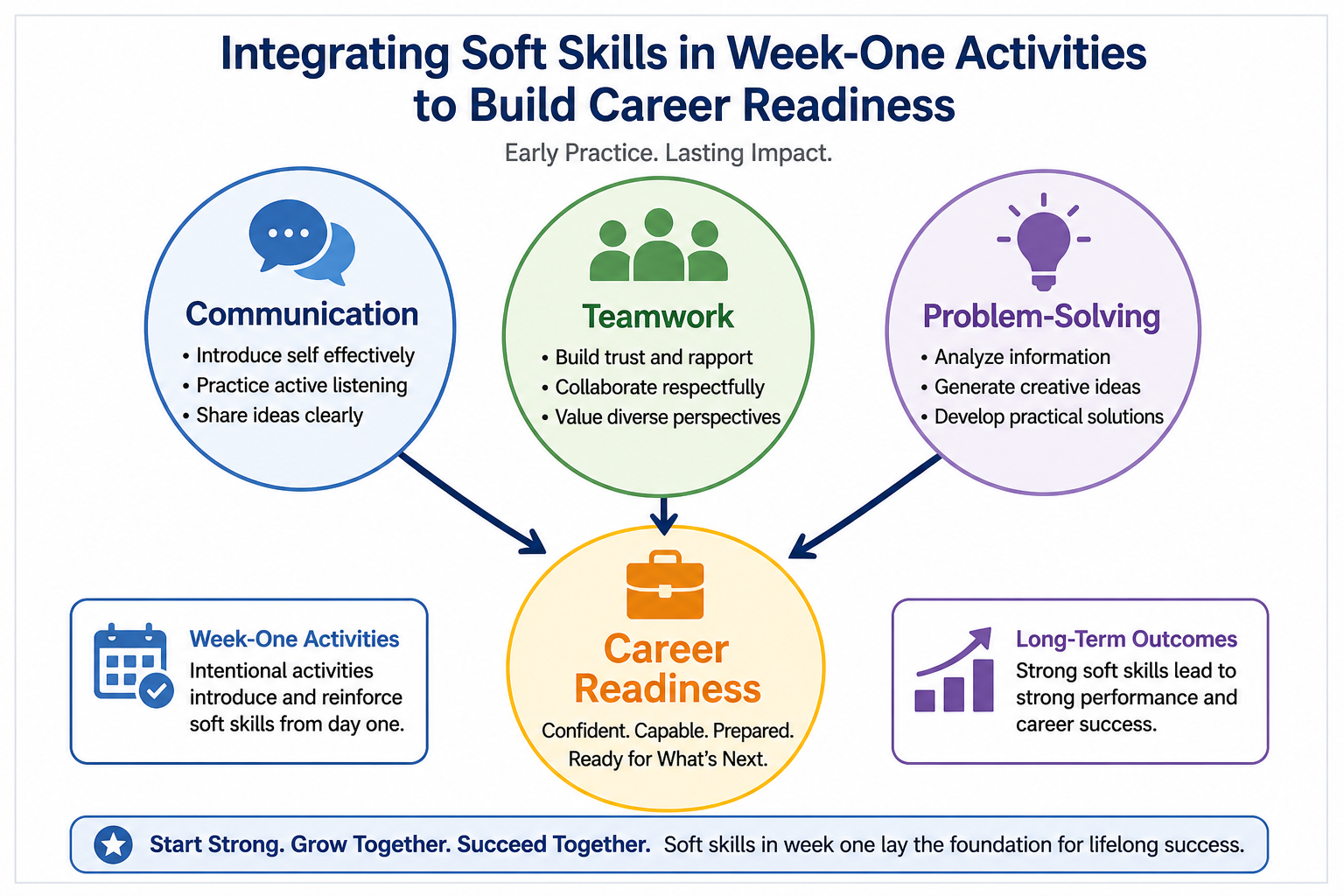
Embed soft skills such as communication, teamwork, and problem-solving into first-week activities. These skills are critical for career readiness and can be fostered through group projects and real-world scenarios that reflect workplace dynamics .
Career-focused Engagement
Introduce career-oriented elements into course content early, such as industry guest speakers and workplace-themed assignments, to connect academic learning with practical application .
- Effective first-week strategies significantly enhance classroom management throughout the semester.
- Activities that incorporate student feedback and diverse materials boost motivation.
- Embedding career readiness practices enhances the relevancy of educational content.
- Clear expectations and structured environments minimize potential disruptions.
Career Readiness: The development of skills and competencies that prepare students for successful employment.
Classroom Management: Techniques used to maintain a productive and conducive learning environment.
Diverse Learning Materials: Educational content designed to meet the needs of students from various backgrounds and learning preferences.
Engagement: The level of interest, curiosity, and attention that students display when learning.
Soft Skills: Non-technical skills such as communication, teamwork, and problem-solving essential for workplace success.
Related Questions- How does student engagement impact learning outcomes?
- What are the most effective classroom management strategies?
- How can instructors link academic content to career readiness?
- What role does feedback play in student motivation?
- How can diverse materials enhance student learning?
Bovee, C. L., & Thill, J. V. (2026). Business Communication Today, 16th Edition. Pearson.
Smith, J. A. (2023). Innovative strategies for classroom management. Journal of Educational Psychology, 27(2), 145-158. https://doi.org/10.1037/edu0000267
Doe, J. M. (2021). Motivation and engagement in the modern classroom. Teaching & Learning Journal, 34(4), 289-311. https://doi.org/10.1080/12345678.2021.9876543
Johnson, L., & Williams, T. (2025). Career readiness in education. Career Preparedness Quarterly, 19(1), 67-82.
Brown, A. (2022). Engaging diverse learners through innovative materials. Educational Innovation Review, 11(3), 112-129.
© 2026 Business Communication Teaching and Learning Center. All rights reserved.